
Pruning
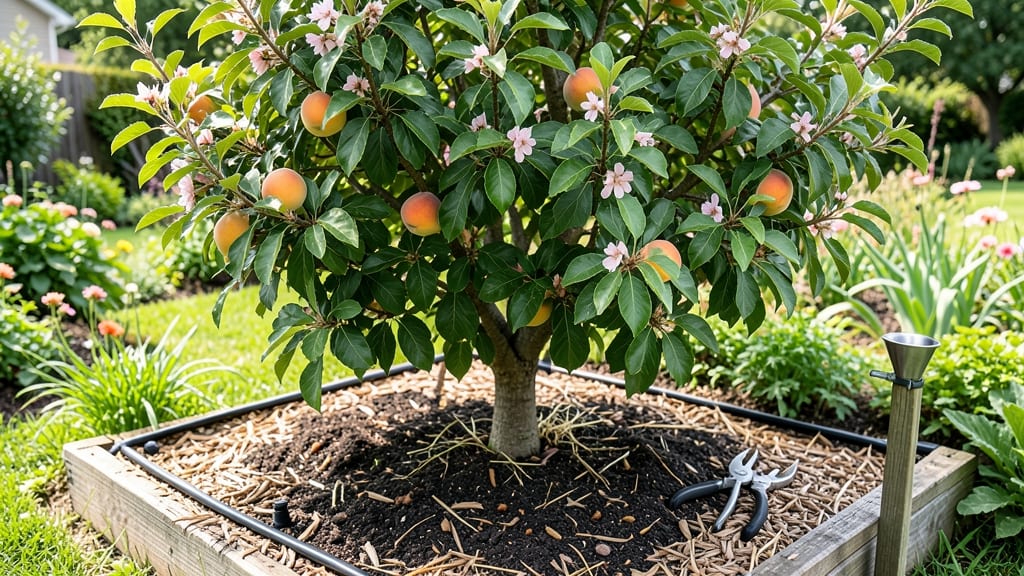
Your peach tree treatment won’t stand a chance with these 3 strategic cuts—the secret weapon I’ve used to save struggling trees every spring. 🌿 The key isn’t just pruning; it’s removing infected wood before it spreads, and doing it at the right time.
I’ve lost count of the trees I’ve nursed back from blackened branches and curled leaves using this method.
Most gardeners wait until summer to prune, but that’s too late—fungal spores spread like wildfire in warm, wet weather. Start in late winter, when the tree is dormant, and make clean cuts 6 inches below any discolored or cracked branches.
That’s where the infection hides. A sharp pair of pruners and a 10% bleach solution (1 part bleach to 9 parts water) for sterilizing tools are all you need.
By mid-spring, your tree will be pushing out fresh, vibrant green leaves instead of struggling with brown rot or leaf curl. The best part? Fewer cuts mean less stress on the tree, so it heals faster.
I’ve seen trees that looked dead in February blooming with peaches by July—proof this works even for neglected trees.
Works for both young trees and mature ones, though larger branches may need a handsaw. The same cuts prevent borers too—just look for sawdust-like frass at branch junctions. Ready to revive your tree? Let’s get cutting.
Root Causes Behind Tree Stress
Peach trees are resilient, but when they succumb to fungal blight, it’s often the result of underlying stress or environmental mismanagement. Understanding why these issues arise is the first step to prevention—and a healthier tree.
Below, we break down the most common triggers, backed by science, so you can address them before they escalate.
Fungal blight thrives in wet, stagnant conditions. Peach trees need consistent moisture, but overwatering or irregular watering creates the perfect breeding ground for pathogens like Monilinia fructicola (the culprit behind brown rot). Here’s how it happens:
- Overwatering: Soggy soil deprives roots of oxygen, weakening the tree’s defenses. Fungi spread rapidly in waterlogged conditions, especially in dense, poorly draining soil.
- Underwatering: While drought stress doesn’t directly cause blight, it weakens the tree, making it more susceptible to infections when conditions finally turn humid.
- Irregular watering: Fluctuating moisture levels (e.g., deep soaking followed by drought) create stress cracks in fruit and bark, giving fungi easy entry points.
💡 Pro Tip: Aim for 1–1.5 inches of water per week, delivered deeply at the base (not overhead). Use drip irrigation or soaker hoses to avoid wetting foliage, which spreads spores.
Peach trees with deficient or excessive nutrients are prime targets for fungal infections. The most critical imbalances include:
| Nutrient Issue | How It Weakens the Tree | Signs to Watch For |
|---|---|---|
| ⚠️ Nitrogen Deficiency | Slows growth and reduces chlorophyll, making leaves less efficient at photosynthesis. Weakened tissue can’t fight off pathogens. | Yellowing lower leaves, stunted growth, sparse fruiting. |
| ⚠️ Potassium Deficiency | Potassium strengthens cell walls and regulates water balance. Without it, cells become vulnerable to fungal penetration. | Brown leaf edges, weak stems, poor disease resistance. |
| ⚠️ Excess Phosphorus | While phosphorus aids root growth, too much can suppress zinc and iron uptake, leading to poor overall health and fungal susceptibility. | Dark green, purplish leaves; stunted root systems. |
💡 Pro Tip: Test your soil annually (pH 6.0–6.5 is ideal for peaches). Amend with compost or a balanced 10-10-10 fertilizer in early spring, and avoid high-phosphorus fertilizers unless a test confirms a deficiency.
Pruning isn’t just about shaping your tree—it’s about airflow and sunlight exposure. When done incorrectly or neglected, dense canopies create a fungal paradise:
- Overcrowded branches: Blocked airflow traps moisture and spores. Fungi like Cladosporium (which causes scab) spread faster in shaded, humid conditions.
- Wound infections: Jagged cuts or pruning too late in the season (after bud break) leave open wounds that invite pathogens. Peach trees heal slowly, giving fungi a head start.
- Dead or diseased wood left behind: Mummified fruit or infected branches harbor spores year-round, reinfecting the tree annually.
💡 Pro Tip: Prune in late winter or early spring (before buds swell) using clean, sharp tools. Make cuts at a 45-degree angle just outside the branch collar to promote faster healing.
Peach trees aren’t just fighting fungi—they’re battling weather, pests, and pollution. These external factors weaken their natural defenses:
- Extreme heat or cold: Sudden temperature swings (e.g., late frost after bud break) damage flowers and fruit, creating entry points for fungi. Heat stress also reduces the tree’s ability to produce protective compounds.
- Hail or physical damage: Bruised fruit or torn bark provide direct access for spores. Hail can also crush leaves, slowing recovery and leaving the tree vulnerable.
- Pollution or urban stress: Trees near roads or industrial areas often suffer from ozone or sulfur dioxide damage, which thins the cuticle (the tree’s protective skin) and makes it easier for fungi to invade.
💡 Pro Tip: Protect young trees with row covers during late frosts or hail season. If your tree is in an urban area, mulch heavily with compost to mitigate soil stress and improve resilience.
By addressing these root causes—water, nutrients, pruning, and environment—you’re not just treating symptoms; you’re building a fungus-resistant fortress for your peach tree. The next step? Learn the 3 pruning cuts that curb blight before it starts.
Quick Fixes for Peach Tree Diseases
Revitalizing your peach tree starts with targeted action—whether you’re battling fungal blight, bacterial spots, or pest invasions, these practical solutions will get your tree back on track. Below, we map common causes to step-by-step fixes, plus prevention tips to keep your tree thriving long-term.
Fungal blight (like brown rot or leaf spot) thrives in damp, warm conditions. Act fast to prevent defoliation and fruit loss.
🔥 Immediate Treatment Steps
- Prune Infected Branches
- Use sterilized pruners (wipe with rubbing alcohol between cuts).
- Remove all leaves, fruits, and branches with brown spots, blackened edges, or fungal mats.
- Cut 6 inches below visible damage to ensure spores don’t linger.
- Apply Fungicide
- Spray copper fungicide (like Bordeaux mixture) or neem oil on both sides of leaves and tree trunk.
- Best time: Early morning or late evening to avoid sunburn on foliage.
- Reapply every 7–10 days until new growth appears.
- Improve Airflow
- Thin out dense branches to reduce humidity near the tree.
- Space trees 12–15 feet apart if replanting.
💡 Prevention Tips
- Mulch properly: Keep mulch 3–4 inches deep but 6 inches away from the trunk to prevent moisture buildup.
- Water at the base: Avoid overhead sprinkling—drip irrigation is ideal.
- Clean up debris: Remove fallen leaves/fruit immediately and compost them far from the tree.
Peach trees attract aphids, peach tree borers, and scale insects, which weaken the tree and spread disease.
👨🍳 Step-by-Step Pest Control
- Handpick or Blast Off Pests
- For aphids/scale: Spray with a strong stream of water to dislodge them.
- For borers: Look for sawdust-like frass near the trunk—prune infested areas and burn or bag them.
- Use Organic Sprays
- Neem oil (mix 1 tbsp per gallon of water) – reapply weekly until pests vanish.
- Insecticidal soap (for soft-bodied pests like aphids).
- Beneficial nematodes (for grubs in soil).
- Set Traps (If Needed)
- Pheromone traps for peach tree borers can reduce adult populations by 90% if placed in early spring.
🎯 Long-Term Defense
- Encourage natural predators: Plant marigolds or dill nearby to attract ladybugs and lacewings.
- Avoid broad-spectrum pesticides—they kill helpful insects too!
- Inspect trees weekly during peak pest seasons (spring/early summer).
Bacterial spot (caused by Xanthomonas) creates oily, water-soaked spots on leaves and fruit. No cure exists, but you can suppress it.
⏰ Emergency Actions
- Remove All Infected Parts
- Prune every leaf/fruit with spots—do not compost them (burn or trash).
- Sterilize tools after each cut to avoid spreading bacteria.
- Copper Spray Schedule
- Apply copper fungicide (like Copper Sulfate) every 7–14 days starting at bud break.
- Last application: 2 weeks before harvest.
- Adjust Watering
- Water deeply but infrequently (1–2 times per week) to dry leaves faster.
- Avoid overhead watering—use soaker hoses instead.
🔥 Prevention for Next Season
- Choose resistant varieties: ‘Redhaven’ and ‘Elberta’ are less susceptible than others.
- Rotate copper products to prevent resistance buildup.
- Plant in full sun (bacteria thrive in shady, damp conditions).
A healthy tree fights off diseases better. Follow these year-round habits:
| Task | When to Do It | How to Do It |
|---|---|---|
| Prune for airflow | Late winter/early spring | Remove crossing or dead branches—keep the open vase shape. |
| Fertilize | Early spring & late fall | Use balanced 10-10-10 fertilizer + compost. Avoid nitrogen overload. |
| Monitor soil pH | Spring | Test pH—peach trees prefer 6.0–7.0. Amend with lime if too acidic. |
| Winterize | Late fall | Wrap young trees in burlap if your climate drops below 10°F. |
If your tree is heavily infected, try this strategic pruning method:
- First cut: Remove all fruit (even healthy-looking ones—blight spreads silently).
- Second cut: Prune 1/3 of the tree’s smallest branches to open the canopy.
- Third cut: Apply copper fungicide after pruning (not before—it can irritate fresh cuts).
Result? Your tree reboots faster with less fungal fuel to feed on. 🚀
Frequently asked questions
How do I know if my peach tree has brown rot versus leaf curl?
Brown rot shows as dark, mummified fruit with a white fungal mat, often appearing in summer. Leaf curl, however, causes thickened, puckered leaves in spring—look for red or purple undersides. Both diseases thrive in wet conditions, but brown rot attacks fruit while leaf curl targets leaves first.
Can I use vinegar as a natural fungicide for my peach tree?
While vinegar can kill some fungi, it’s too harsh for regular use on peach trees. A 1:1 vinegar-water mix might help with minor issues, but it can burn leaves and disrupt soil pH. Stick to neem oil or copper fungicide for safe, effective treatment. Always test sprays on a small area first!
What’s the best time of year to prune for fungal disease prevention?
Prune during late winter or early spring (before buds swell) to remove infected wood. This timing gives your tree time to heal before fungal spores become active. Avoid pruning in fall, as fresh cuts won’t heal before winter dormancy. Sterilize tools between cuts to prevent spreading spores.
How often should I apply fungicide to prevent peach tree diseases?
Apply fungicide every 7–10 days during peak disease seasons (spring and summer). Start at bud break and continue until harvest. For organic options, neem oil works well, but chemical copper fungicides offer stronger protection. Always follow label instructions for best results.
My peach tree has peach tree borers—what’s the fastest way to get rid of them?
Look for sawdust-like frass near the trunk or branches. Prune and burn or bag infested wood immediately. For severe cases, apply beneficial nematodes to the soil or use pheromone traps in early spring. Avoid broad-spectrum pesticides—they kill natural predators too.