
Pruning
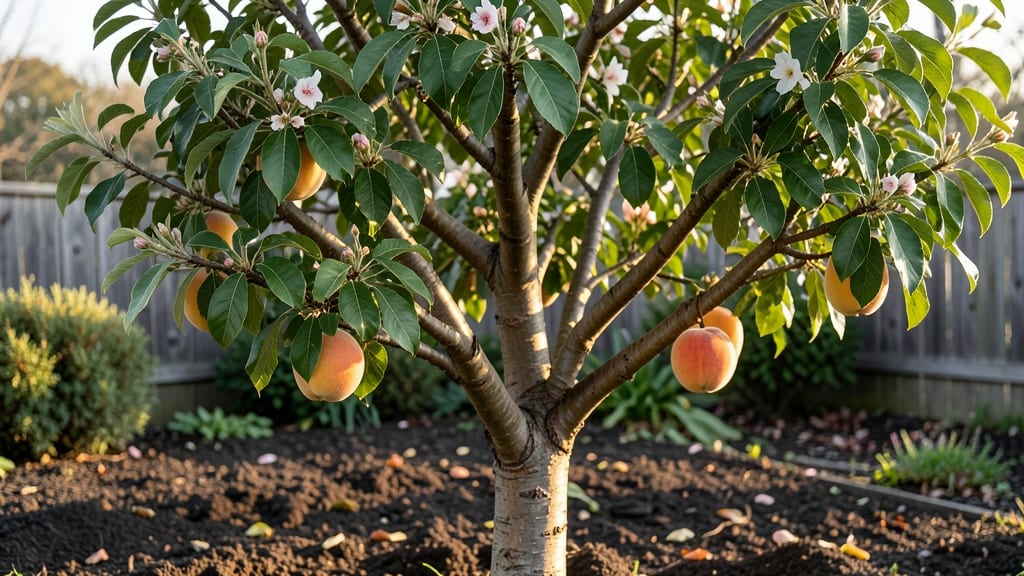
Peach trees grow best in Zone 7 when you choose cold-resistant varieties and plant them at the right depth, like 'Reliance' or 'Redhaven,' buried 2-3 inches below the graft union for stronger roots and better frost survival.
Zone 7's mild winters and hot summers create the perfect balance for peach trees, but not all varieties handle this climate equally. 🌳 The key is selecting low-chill cultivars that need 300-500 hours below 45°F, like 'Loring' or 'Elberta,' which also resist common diseases like brown rot.
Planting depth matters too—burying the graft union prevents frost damage and encourages deeper root systems, which means healthier trees that bear fruit more reliably.
For best results, amend your soil with compost before planting and space trees 15-20 feet apart to improve airflow and reduce fungal risks. A little extra care during these early stages pays off with bigger harvests in years to come.
💡 In This Article
- Cold-Hardy Peach Varieties for Zone 7 Climates
- Optimal Planting Depth and Soil Prep for Zone 7 Peach Trees
Cold-hardy peach varieties for Zone 7 climates
Zone 7's unique climate—with winters rarely dropping below 0°F and summers reaching 90°F+—demands peach varieties that balance cold tolerance with heat resilience. The real game-changer here is chilling hours, which measure how many hours below 45°F a tree needs to break dormancy.
Most Zone 7 peaches thrive with 300-500 chilling hours, unlike high-chill varieties (like 600+ hours) that struggle in milder winters. For example, 'Loring' delivers 400 chilling hours while producing sweet, freestone fruit that's perfect for fresh eating or canning.
'Elberta' stands out as a crowd-pleaser because it combines 450 chilling hours with disease resistance, particularly against brown rot—a fungal menace in humid Zone 7 summers.
This variety's thick skin protects the flesh from cracking during sudden rain, while its late-blooming habit avoids early spring frosts. 🌿 Meanwhile, 'Reliance' (a Redhaven hybrid) offers 400 chilling hours and remarkable cold hardiness down to -20°F when properly planted, making it ideal for Zone 7's occasional dips. The secret?
These varieties evolved from crosses between native American species and European cultivars, inheriting both frost tolerance and flavor.
Microclimates within Zone 7 can dramatically alter success. South-facing slopes, for instance, accumulate more heat and may require varieties like 'Contender' (300 chilling hours) that tolerate warmer winters. In contrast, valleys with lingering cold pockets benefit from 'Redhaven' (450 chilling hours), which handles brief 20°F dips.
Always check your specific microclimate's last frost date—planting too early risks frost damage to blossoms, while waiting too long may delay fruit set. The 10-day rule applies: Wait until nighttime temperatures consistently stay above 50°F before planting bare-root trees.
Disease resistance is non-negotiable in Zone 7's humid summers. Varieties like 'Sanguinelle' feature natural resistance to leaf curl and peach scab, reducing the need for fungicides. Their genetic makeup includes genes from wild peach relatives, which developed these defenses over centuries.
For organic growers, this means fewer chemical interventions and healthier trees. The trade-off? Some disease-resistant varieties may have slightly less vibrant fruit colors, but the long-term benefits far outweigh this minor aesthetic difference.
Consider these top 3 Zone 7 varieties for different needs:
- Best for beginners: 'Loring' (400 chilling hours) – Reliable producer with minimal care requirements
- Best for canning: 'Elberta' (450 chilling hours) – Thick flesh holds up well during processing
- Best for cold snaps: 'Reliance' (400 chilling hours) – Handles -20°F when planted deeply
Pro tip: Grafting your chosen variety onto a Nemaguard rootstock adds an extra layer of disease protection, especially if your soil has poor drainage. This hybrid rootstock resists nematodes while promoting vigorous growth—critical for Zone 7's competitive native plant life. 🌱