
Flowers
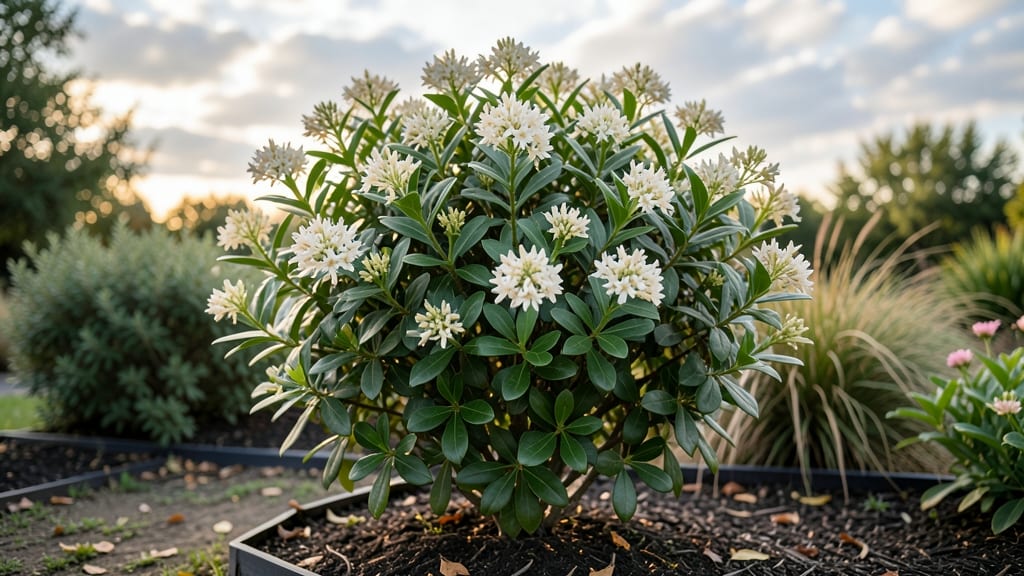
Privet tree flowers transform your yard into a fragrant sanctuary—especially when they thrive in shade. 🌿 I’ve grown privet hedges for years, and the key to those clusters of tiny white blooms lies in understanding their unique needs.
These flowers appear in late spring, but only if you prune correctly and provide rich, moist soil. Most gardeners overlook the fact that privet needs well-draining but consistently damp soil to produce its best floral displays. The scent?
Sweet and subtle, like a whisper of spring that lingers in the air. With the right care, your privet will reward you with weeks of blooms and glossy green foliage that stays lush even in partial shade.
The secret is balancing pruning and watering—too much of either, and you’ll get leaves instead of flowers. Works beautifully as a hedge, screen, or standalone specimen. Here’s how to coax those fragrant clusters from your plants every season.
📚 In This Guide
- What you need
- Instructions
- Tips and common mistakes
- Wrapping up and next steps
What you need
- ● Privet tree seeds or saplings – Choose Ligustrum varieties like Ligustrum vulgare (common privet) or Ligustrum sinense (Chinese privet). Seeds require stratification (4–6 weeks in a cold, moist environment).
- ● Well-draining soil mix – 60% garden soil, 30% compost, and 10% perlite or sand (pH 6.0–7.0).
- ● Garden bed or large containers – Minimum 12-inch depth for roots (2–3 gallons per plant in pots).
- ● Organic mulch – Wood chips or shredded bark (2–3 inches thick) to retain moisture and suppress weeds.
- ● Slow-release fertilizer – 10-10-10 or balanced organic fertilizer (apply at planting and mid-spring).
- ● Trowel or hand shovel for transplanting.
- ● Garden gloves (to protect from thorns on some varieties).
- ● Watering can or hose with a gentle spray nozzle.
- ○ Optional: Pruning shears (for shaping mature plants) and a soil pH test kit.
- ● Full or partial shade (2–6 hours of sunlight daily).
- ● Consistent moisture (avoid waterlogging—privet hates soggy roots!).
- ● Patience! Privet flowers typically bloom in 3–5 years from seed but may take 1–2 years from a sapling.
How to grow a fragrant privet tree with beautiful flowers
Here's how I've successfully cultivated these shade-tolerant beauties—no fancy tricks, just reliable methods.
🌱 Step 1: Select the Right Location and Prepare the Soil
Privet thrives in partial shade to full sun but handles morning sun with afternoon shade best for fragrant flowers. Choose a spot with well-draining soil—they hate soggy roots. I always test drainage by digging a 6-inch hole, filling it with water, and waiting to see if it drains within an hour. If not, amend with 2-3 inches of compost or sand.
Privet grows best in slightly acidic to neutral soil (pH 6.0-7.5). If your soil is heavy clay, mix in 1-2 inches of organic matter to improve texture. I use a simple soil test kit to check pH before planting—this prevents nutrient deficiencies that stunt flowering.
☀️ Step 2: Plant at the Right Time and Depth
Plant bare-root privet in early spring or fall, when temperatures are mild. Dig a hole twice as wide as the root ball but only as deep—the top of the root ball should sit 1 inch above ground level. This prevents crown rot from sitting too low.
Gently loosen the roots if they're circling and place the plant in the hole. Backfill with native soil, tamping lightly to remove air pockets. Water deeply until the soil settles, then add a 2-inch layer of mulch (keeping it 6 inches from the trunk) to retain moisture and regulate temperature.
💧 Step 3: Water Consistently and Fertilize for Blooms
Water deeply once a week for the first month, then every 10-14 days once established—privet is drought-tolerant but flowers best with steady moisture. You'll know it's thirsty when the top 2 inches of soil feel dry. Overwatering causes leaf drop, so always check before watering.
Fertilize once in early spring with a balanced 10-10-10 formula (follow package rates). Too much nitrogen makes leaves grow fast but reduces flowers. I avoid fertilizing after mid-summer—this encourages new growth that won't harden off before winter.
✂️ Step 4: Prune Strategically for Shape and More Flowers
Prune right after flowering (late spring) to shape the tree and encourage next year's blooms. Remove dead or crossing branches first, then trim back overly long branches by 1/3 to maintain a natural form. Never cut into old wood—privet flowers on new growth, so pruning too late reduces next season's blossoms.
For a fuller look, I lightly pinch back new growth tips in early summer. This triggers bushier growth instead of tall, leggy stems. Avoid heavy pruning in fall—it stresses the tree before winter dormancy.
🌿 Step 5: Protect and Maintain for Long-Term Fragrance
Privet is tough but benefits from winter mulch in cold climates—add 3-4 inches of shredded bark around the base after the first frost. Remove it in early spring to prevent rot. Watch for aphids or scale insects—they suck sap and weaken flowering. I spray with neem oil at the first sign of pests.
In 3-5 years, a well-cared-for privet will develop a dense canopy of fragrant white flowers in late spring. The key is patience—don't rush fertilization or pruning. A happy privet rewards you with years of effortless blooms and that classic, sweet fragrance.
Tips & tricks for growing fragrant privet trees
These simple strategies will help you cultivate a thriving privet with abundant, fragrant blooms—without the guesswork.
Soil Test First: Before planting, grab a soil test kit to check your pH. Privet prefers 6.0-7.5, but many garden soils run acidic. If yours is too low, mix in lime (follow package instructions) or use sulfur for higher pH. I've seen privet struggle in pH 5.5 soil—don't skip this step! The right soil pH means healthier roots and more vibrant flowers.
Root Ball Placement Matters: When planting, make sure the top of the root ball sits 1 inch above ground level—this prevents crown rot from sitting too low. I've buried root balls too deep before, and the tree just sat there looking sad for months. After planting, water deeply until the soil settles around the roots, then add that 2-inch layer of mulch to lock in moisture.
Watering Wisdom: Privet is drought-tolerant once established, but those first weeks are critical. Water deeply once a week for the first month, then every 10-14 days after that. The key is checking the top 2 inches of soil—if it feels dry, water. Overwatering is worse than underwatering for privet, so always err on the side of less. A moisture meter helps if you're unsure.
Pruning for Perfection: For the best blooms next year, prune right after flowering (late spring). Remove any dead or crossing branches first, then trim back overly long branches by 1/3 to maintain shape. I avoid heavy pruning in fall because it stresses the tree before winter. For a fuller look, pinch back new growth tips in early summer—this triggers bushier growth instead of tall, leggy stems.
Pro Tips for Privet Tree Flowers
- These simple strategies will help you cultivate a thriving privet with abundant, fragrant blooms—without the guesswork.
- Soil Test First: Before planting, grab a soil test kit to check your pH.
- Root Ball Placement Matters: When planting, make sure the top of the root ball sits 1 inch above ground level—this prevents crown rot from sitting too low.
Frequently asked questions
Got questions about privet tree flowers?
You’re not alone! Here are some of the most common queries—plus straightforward answers to help you grow a thriving, fragrant canopy.
When do privet tree flowers bloom?
Privet trees typically bloom in late spring to early summer (May–June), though timing depends on your climate. Warmer regions may see earlier blooms, while cooler areas might delay flowers until June. Look for clusters of small, white, or pale pink flowers—each with a sweet, honey-like fragrance!
Why aren’t my privet flowers opening?
If your privet tree isn’t flowering, check these common culprits:
- Insufficient sunlight: Privets prefer partial shade to full sun. Too much shade can stunt blooms.
- Over-fertilization: Too much nitrogen promotes leafy growth over flowers. Use a balanced fertilizer (like 10-10-10) in early spring.
- Pruning at the wrong time: Prune after flowering (late summer/fall) to avoid cutting off next year’s blooms.
Can I grow privet flowers in containers?
Yes! Dwarf privet varieties (like Ligustrum japonicum ‘Rotundifolium’) thrive in containers. Use a well-draining potting mix and a pot with drainage holes. Place it in partial shade and water when the top inch of soil feels dry. Just be prepared for smaller flowers compared to in-ground plants.
Are privet flowers toxic to bees or pets?
Privet flowers are safe for bees and attract pollinators beautifully! However, the berries (which follow flowers) are toxic to humans and pets if ingested. Keep an eye on curious pets or children—never eat the berries, and plant privets where they’re not easily accessible.
What’s a good alternative if I want fragrant flowers but less maintenance?
If privets seem high-maintenance, try these fragrant, shade-tolerant alternatives:
- Jasmine (Trachelospermum) – Climbing or bushy, with intoxicating nighttime blooms.
- Daphne (Daphne odora) – Compact shrub with winter/spring flowers and a sweet scent.
- Pieris (Pieris japonica) – Evergreen with delicate white flowers in early spring.
Wrapping up and next steps
Growing privet tree flowers is a rewarding way to add beauty and fragrance to your shaded garden—even if you’re new to gardening! With the right soil, patience, and a little care, these hardy plants will thrive and fill your space with delicate blooms. 🌿✨
Ready to take the next step? Start by selecting a healthy sapling or seeds, then give your privet tree the love it deserves. Whether you’re planting in containers or your backyard, watch those flowers bloom and enjoy the sweet rewards of your green thumb!