
Pruning
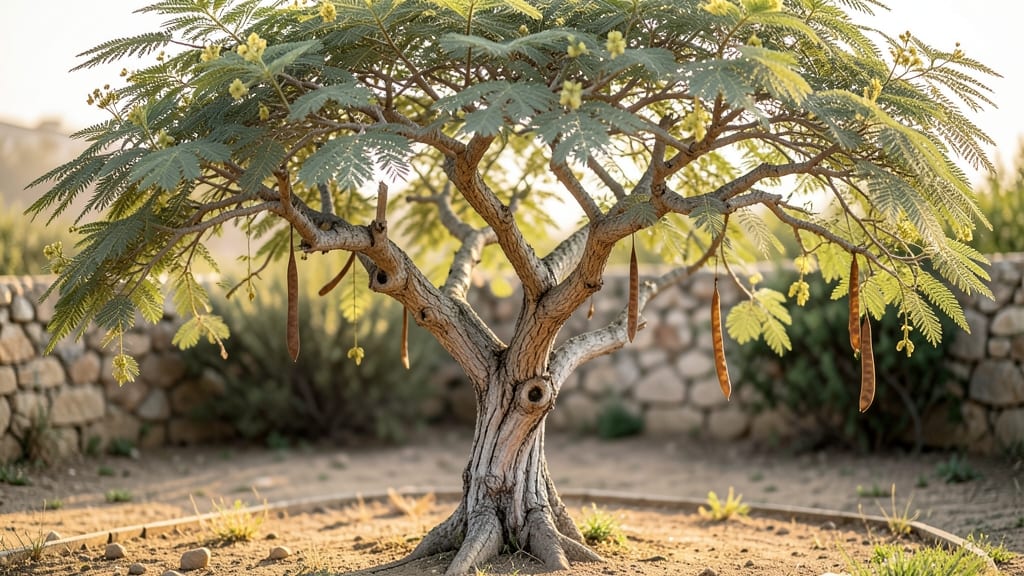
The Shami tree in English is called the Prosopis cineraria, commonly known as the desert Indian gum acacia or khejri. This drought-resistant tree thrives in arid regions, prized for its hardy wood and ecological benefits in desert ecosystems.
The Shami tree—or Prosopis cineraria—earned its English name from its historical significance in South Asian deserts, where it’s been cultivated for centuries. 🌵 Beyond its resilience in extreme heat and poor soil, this tree plays a crucial role in local ecosystems by fixing nitrogen in the soil, making it invaluable for sustainable agriculture.
Its wood, known for durability, has been traditionally used for furniture and fuel, while its pods serve as a vital protein source for livestock during dry seasons.
What makes this species stand out is its ability to regenerate quickly after pruning, a trait that’s both practical for farmers and ecologically beneficial for desert restoration projects.
The tree’s thorny branches and compound leaves also make it an excellent natural barrier against erosion, earning it a place in traditional land management practices across the Indian subcontinent.
💡 In This Article
- Botanical Classification and Ecological Role of the Shami Tree
- Identifying Shami Trees: Leaves, Flowers, and Growth Patterns
Botanical classification and ecological role of the Shami tree
The Shami tree belongs to the Fabaceae family, specifically the Prosopis genus, which includes over 40 species known for their resilience in harsh climates. Its scientific name, Prosopis cineraria, reflects its dusty gray bark—a natural adaptation to minimize water loss in arid environments.
This genus is native to the deserts of India, Pakistan, and parts of the Middle East, where annual rainfall often drops below 10 inches and temperatures can exceed 120°F during summer months.
One of its most remarkable ecological traits is its ability to form symbiotic relationships with nitrogen-fixing bacteria, specifically Rhizobium species, in its root nodules.
These microscopic partners convert atmospheric nitrogen into usable forms, enriching the soil and enabling the tree to thrive in nutrient-poor conditions. 🌱 This process can add up to 150-200 kg of nitrogen per hectare annually, making it a cornerstone for sustainable agriculture in desert regions.
The Shami tree’s deep root system—capable of reaching depths of 30-50 feet—also helps stabilize sand dunes and prevents soil erosion.
The tree’s ecological role extends beyond soil health. Its pods, often called "gum acacia," are a critical food source for livestock, particularly during the dry season when other vegetation is scarce.
These pods contain 15-20% protein and 30-40% carbohydrates, making them an affordable and nutritious supplement for cattle, goats, and camels. In regions like Rajasthan and Sindh, farmers deliberately plant Shami trees to create "green belts" that support both wildlife and livestock.
What sets the Shami tree apart from similar species, like the mesquite (Prosopis juliflora), is its lower water demand and slower growth rate.
While mesquite spreads aggressively and can become invasive, the Shami tree grows at a more controlled pace, making it easier to manage in agricultural settings.
Its wood, known for its high density and resistance to termites, has been traditionally used for making furniture, agricultural tools, and even musical instruments like the sitar.
In modern conservation efforts, the Shami tree is often planted in afforestation projects to combat desertification. Its ability to regenerate from root cuttings and its tolerance to saline soils make it an ideal candidate for restoring degraded lands.
Studies in the Thar Desert have shown that planting Shami trees in 50-meter intervals can reduce wind erosion by up to 60% within five years.
Beyond its practical uses, the Shami tree holds cultural significance. In traditional Ayurveda, its bark and leaves are used in herbal remedies for treating diabetes and urinary disorders, while its gum resin has been employed as a natural adhesive.
This blend of ecological, economic, and cultural value makes the Shami tree a true marvel of desert adaptation. 🌿