
Pruning
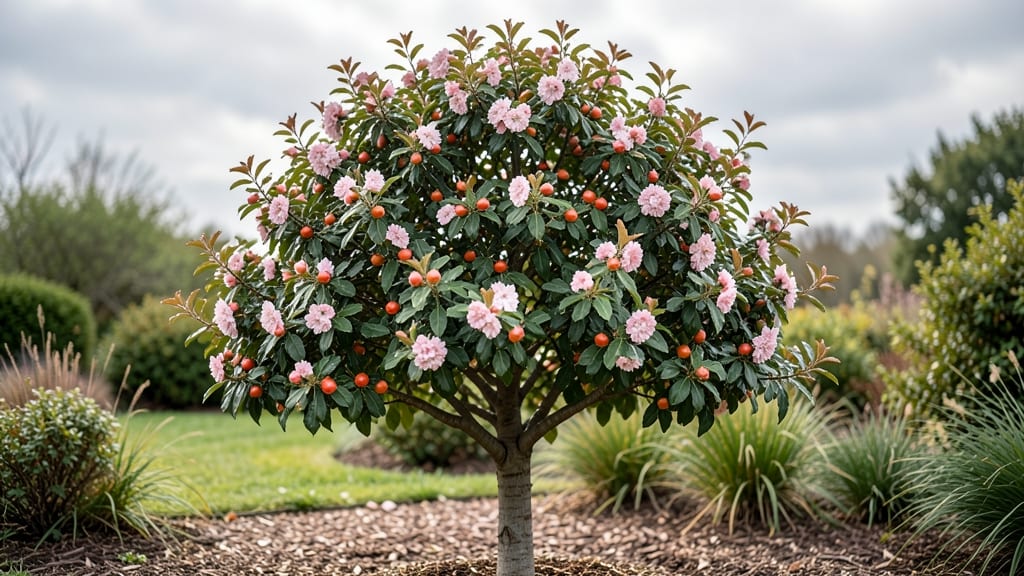
The Showtime crabapple tree offers the perfect small-space solution if you're weighing its pros and cons—especially when you're willing to trade fruit for flowers. This dwarf variety packs vibrant pink blooms and disease-resistant foliage into a compact package, but let's talk honestly about the trade-offs before you plant.
On the plus side, Showtime thrives where other crabapples fail: it resists apple scab and fire blight, stays under 10 feet tall, and attracts pollinators like crazy. The spring blossoms outshine any store-bought bouquet, and the glossy green leaves stay attractive all season.
But here's the catch: those tiny apples? They're messy when they drop, and the tree needs regular pruning to keep its shape—and your sanity.
If you plant it in the right spot (sunny but not baking hot), you'll get years of low-maintenance beauty with minimal fuss. The real secret is pruning in late winter: open the center for airflow, remove crossing branches, and shape it like a candelabra.
Just don't plant it near patios—those apples will make a mess.
For small gardens, urban yards, or mixed borders, Showtime delivers big impact with small space—just be ready for the cleanup crew when autumn rolls around. Here's how to make it work for your landscape.
📚 In This Guide
- What you need
- Instructions
- Tips and common mistakes
- Wrapping up and next steps
What you need
- ● Pruning shears: Bypass pruners (for cuts up to ½ inch thick). Pro tip: Sharpen blades beforehand for clean cuts! ✨
- ● Loppers: 1 pair (for branches ½ to 1½ inches thick). Look for bypass-style loppers for precision.
- ● Pruning saw: 1 handheld saw (for branches thicker than 1½ inches). A bow saw or pruning saw works best.
- ● Gloves: 1 pair of cut-resistant, gardening gloves (to protect hands from thorns and rough bark).
- ● Disinfectant: 70% isopropyl alcohol or a pruning sealant (to prevent disease spread).
- ● Ladder or step stool: Adjustable height (if your tree is over 6 feet tall). Safety first! 🔥
- ● Heavy-duty trash bags: 2–3 bags (for collecting pruned branches and debris).
- ● Rake or broom: 1 (to clear fallen leaves/debris after pruning).
- ● Pruning paint/sealant: For larger wounds (to reduce sap loss and infection risk).
- ● Tree tie or zip ties: (If you’re supporting weak branches temporarily).
- ● Camera or phone: To document your tree’s progress before/after! 📸
- ● Knee pads: For comfort if you’re working on the ground.
Instructions for pruning a Showtime crabapple tree in small gardens
This dwarf variety thrives with strategic pruning—here’s how to maintain its shape, health, and stunning blooms year after year.
Assess the Tree’s Structure and Seasonal Timing
Prune your Showtime crabapple in late winter or early spring, just before buds swell but before new growth begins. This timing ensures you remove dead wood while the tree isn’t actively stressed. Start by examining the tree’s central leader (main upright stem) and scaffold branches (larger lateral branches). Look for any branches growing toward the center of the tree—these will compete for space and sunlight, weakening the structure.
Use sharp bypass pruners to make clean cuts at a 45-degree angle, just outside the branch collar (the swollen area where the branch meets the trunk). Avoid leaving stubs, as they invite disease. If a branch is larger than ½ inch in diameter, use a pruning saw instead. The goal is to open the canopy to sunlight and airflow, which reduces fungal risks and encourages vibrant blooms.
Remove Dead, Diseased, or Crossing Branches
Start by eliminating any dead or diseased branches—these are easy to spot as they’re brown, brittle, or lack leaves. Cut them back to the branch collar without hesitation, as they drain energy from the tree. Next, identify crossing or rubbing branches (those growing directly toward each other). These often create wounds where bark tears, inviting pests and disease. Remove the weaker of the two branches at its point of origin.
Pay special attention to water sprouts (fast-growing, vertical shoots) and suckers (shoots growing from the base or roots). These steal energy from the tree’s main structure. Snip them off at the base with clean cuts. If you notice mushroom-shaped swellings on branches, that’s a sign of silver leaf disease—prune affected branches immediately and disinfect your tools with 70% rubbing alcohol to prevent spread.
Thin the Canopy for Air Circulation and Light Penetration
Step back and visualize the tree’s open-vase shape—this variety is prized for its airy, layered look. Focus on thinning branches (removing entire branches back to their origin) rather than topping (cutting back to a lateral branch), which can lead to weak regrowth. Aim to reduce branch density by 20-30% to improve airflow and sunlight access. Start at the outer edges and work inward, prioritizing branches that block light from reaching the interior.
For each branch you thin, make your cut just outside the branch collar and avoid leaving stubs. If a branch is too thick to cut cleanly with pruners, use a pruning saw and make the cut on the underside of the branch to prevent tearing. After thinning, the tree’s scaffold branches should be evenly spaced, with no two major branches growing directly above one another. This structure supports stronger blooms and healthier fruit (if you’re growing a fruiting variety).
Shape the Tree for Balance and Aesthetics
Now it’s time to refine the tree’s form. The Showtime crabapple benefits from a rounded, multi-tiered silhouette that highlights its spring blossoms and autumn foliage. Use your pruners to shorten overlong branches by cutting back to a lateral bud (a side bud) facing outward. This encourages outward growth rather than inward. Avoid cutting back to a stub—always leave a bud to promote healing and new growth.
Pay attention to the tree’s natural growth habits. If one side is sparser, you may need to lightly prune the denser side to balance the canopy. For dwarf varieties like Showtime, moderation is key—never remove more than 25% of the tree’s foliage in a single pruning session. After shaping, step back and assess the tree’s symmetry. A well-pruned Showtime crabapple should look open, airy, and full of potential for its next flush of blooms.
Clean Up and Monitor for Recovery
After pruning, sterilize your tools with rubbing alcohol to prevent the spread of disease. Collect and dispose of pruned branches in the trash (not the compost bin), as they can harbor pests or pathogens. Water the tree deeply at the base to help it recover from the stress of pruning. Over the next 2-3 weeks, monitor the tree for new growth—you should see buds swelling and shoots emerging from the pruned areas.
If you notice yellowing leaves, wilting, or excessive sap, the tree may be stressed. In this case, reduce watering slightly and avoid fertilizing until new growth appears. The first year after pruning, the tree may produce fewer blooms as it redirects energy to healing, but this is normal. By next spring, your Showtime crabapple should rebound with vibrant flowers and a stronger structure, thanks to your careful pruning.
Tips & tricks for pruning a Showtime crabapple tree
Here's what I've learned after years of perfecting this pruning technique for Showtime crabapples—these details make all the difference for your small garden tree.
Seasonal Timing is Non-Negotiable: That late winter to early spring window is critical because it allows you to remove dead wood while the tree is still dormant but before new growth begins. I've seen gardeners prune too early in winter when branches are brittle and more likely to break, or too late in spring when the tree is already stressed from budding. The key is to catch that moment when buds are just starting to swell—you'll notice small, firm buds forming but no green showing yet.
Branch Collar Precision Prevents Disease: When making cuts in Step 1 and Step 2, focus on the branch collar—the swollen area where the branch meets the trunk. I've made the mistake of cutting too close to the trunk or leaving stubs, both of which create entry points for fungal infections. For branches larger than ½ inch, use a pruning saw and make the cut on the underside of the branch to prevent bark tearing. This technique creates a clean wound that heals properly and maintains the tree's structural integrity.
Thinning vs Topping Creates Different Outcomes: The instructions emphasize thinning branches (removing entire branches back to their origin) rather than topping (cutting back to a lateral branch). This distinction matters because topping creates stubs that can lead to weak regrowth and dense foliage. When thinning, aim to reduce branch density by 20-30% to improve airflow—this open canopy structure is what allows sunlight to reach all parts of the tree, promoting those vibrant blooms the Showtime variety is known for.
Post-Pruning Care Determines Recovery: After completing all pruning steps, the recovery process begins immediately. Water deeply at the base to help the tree recover from stress, but be cautious with fertilizing—wait until you see new growth emerging (typically within 2-3 weeks). I've noticed that trees pruned in late winter often show signs of recovery faster than those pruned in early spring, but both timings work well as long as you follow the 25% foliage removal guideline. The first year after pruning might show fewer blooms as the tree redirects energy to healing, but this is normal and temporary.
Pro Tips for Showtime Crabapple Tree Pros And Cons
- Here's what I've learned after years of perfecting this pruning technique for Showtime crabapples—these details make ...
- Seasonal Timing is Non-Negotiable: That late winter to early spring window is critical because it allows you to remov...
- Branch Collar Precision Prevents Disease: When making cuts in Step 1 and Step 2, focus on the branch collar—the swoll...
Frequently asked questions
How often should I prune a Showtime crabapple tree?
The best time to prune your Showtime crabapple is in late winter or early spring (before buds break) to shape the tree and remove dead branches. Light maintenance pruning can be done in summer to control growth, but avoid heavy pruning then—it can stress the tree and reduce flowering. Aim for 1-2 pruning sessions per year for optimal health.
Can I prune a Showtime crabapple tree too much?
Yes! Over-pruning—especially removing more than 25% of the canopy at once—can weaken the tree, reduce flowering, and make it vulnerable to disease. The Showtime variety is dwarf-sized, so focus on selective pruning to maintain its compact shape. Always use clean, sharp tools to minimize damage.
What’s the best way to prune for maximum blooms?
To encourage abundant flowers, prune to open the center of the tree for better airflow and sunlight. Remove crossing or rubbing branches first, then trim back overly long or leggy growth to promote bushier, flower-rich branches. Avoid "topping" the tree—this cuts back to a stub and harms future blooms.
Are there alternatives to Showtime crabapple for small spaces?
If you love the look but want options, consider these dwarf crabapple varieties:
- Royal Raindrops® – Disease-resistant, prolific blooms, and compact (12-15 ft).
- Adirondack® – White flowers, thornless, and cold-hardy (12-15 ft).
- Centennial® – Pink blossoms, long-lasting fruit, and disease-resistant (12-15 ft).
What should I do if my Showtime crabapple isn’t flowering?
If your tree has fewer blooms than expected, check these common issues:
- Over-pruning – Heavy cuts reduce next year’s flowers.
- Poor sunlight – Needs 6+ hours of sun daily.
- Nutrient deficiency – Apply balanced fertilizer in early spring.
- Age – Young trees (<3 years) may bloom lightly.
Wrapping up and next steps
The Showtime Crabapple Tree is a stunning, low-maintenance choice for small gardens—packed with vibrant blooms, disease resistance, and compact growth. While its pros (like minimal pruning needs and seasonal beauty) shine, be mindful of its cons, such as messy fruit and potential susceptibility to pests.
If you’re ready to embrace its charm, go ahead and plant one—just pair it with a plan for cleanup and occasional pruning to keep it thriving!
🌱 Next step: Research local nurseries or online suppliers to find your Showtime Crabapple and start planning its perfect spot in your garden! 🌿