
Pruning
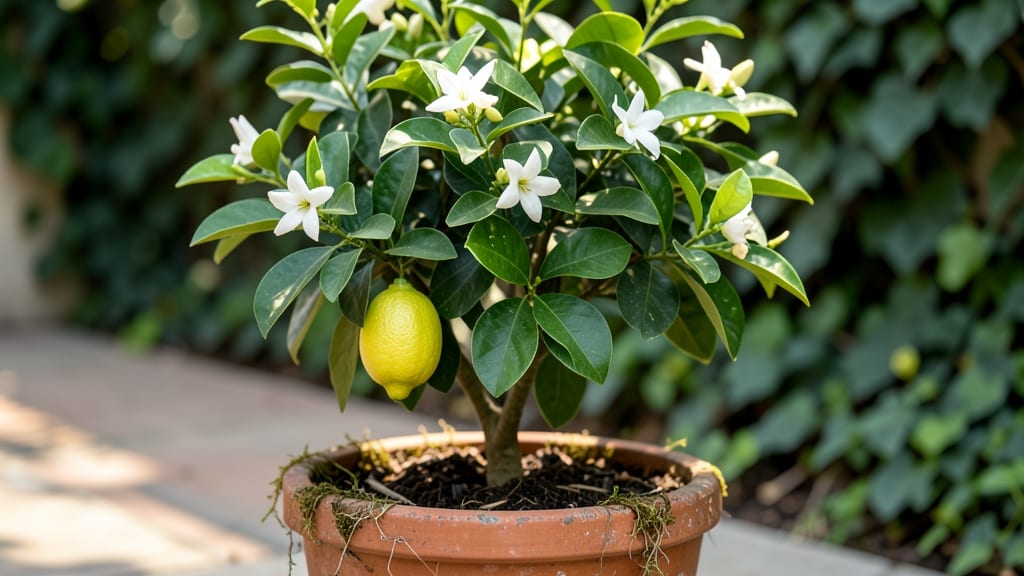
Growing a small lemon tree in a pot means fresh citrus year-round, even on a balcony or patio. 🌱 I’ve watched my Meyer lemon tree—just 3 feet tall—produce lemons for three winters straight, and the secret isn’t complicated: dwarf varieties thrive in containers with the right care.
The key is matching the tree’s needs to its space: a 15-20 gallon pot with drainage holes, well-draining soil, and 6+ hours of sunlight daily. Overwatering is the #1 killer, but a simple finger test (stick your finger 1-2 inches deep—if dry, water) keeps roots happy.
Prune lightly after fruiting to encourage bushier growth, and feed with citrus-specific fertilizer every 4-6 weeks in growing season. By summer’s end, you’ll have glossy leaves, fragrant white blossoms, and—if you’re lucky—tiny, tart-sweet lemons.
The tree stays compact, the harvest is manageable, and the scent of lemon blossoms in spring is unbeatable. Even my black thumb couldn’t kill this one.
Start with a Meyer lemon (the most cold-hardy dwarf variety) or Improved Meyer, both perfect for pots. Avoid cheap plastic containers—they crack in cold snaps and trap moisture. A terracotta or fabric grow bag (with drainage) works best, and elevating the pot prevents root rot in damp climates.
The first year is all about establishing roots, so don’t rush fruiting—patience pays off. By year two, you’ll see blossoms, and with proper care, lemons within 12-18 months. The real magic? Picking a lemon straight from the tree and making fresh lemonade in January.
Watch for root-bound trees (check for roots circling the pot bottom) and aphids on new growth—both are easy to fix with pruning and neem oil. Move pots indoors before 28°F temps, and keep humidity up with a pebble tray.
With these tweaks, your dwarf lemon tree will outlive you—and keep producing.
Pro tip: Save seeds from store-bought lemons (like Eureka) for a free tree, but know they’ll take 3-5 years to fruit. Stick with grafted dwarf varieties for faster results. The payoff? A year-round citrus harvest that smells like sunshine, even in winter.
📚 In This Guide
- What you need
- Instructions
- Tips and common mistakes
- Wrapping up and next steps
What you need
- ● Dwarf lemon tree (Citrus × limon or 'Meyer' lemon) – Choose a healthy, disease-free sapling (3–5 ft tall) from a nursery.
- ● Pot with drainage holes – Minimum 12–18 inches in diameter (larger for mature trees). Terracotta or ceramic pots work best.
- ● Well-draining potting mix – A blend of 50% cactus/succulent mix + 30% perlite/pumice + 20% compost (avoid garden soil!).
- ● Pruning tools: Sharp bypass pruners (for clean cuts).
- ● Sterilized hand pruners (for smaller branches).
- ● Disinfectant (70% isopropyl alcohol or bleach solution) to prevent disease.
- ○ Supportive stakes or trellis (optional but helpful for top-heavy trees).
- ● Gloves – Protect your hands from thorns and sap.
- ● Watering can with a rose attachment (for gentle watering).
- ● Slow-release fertilizer (e.g., citrus-specific granules or balanced 10-10-10).
- ○ Mulch (optional) – Orchid bark or pine needles to retain moisture.
- ● Grow lights or sunny windowsill (if indoors, 6+ hours of sunlight daily is ideal).
- ● 🔥 Prune in late winter/early spring to encourage new growth before the active season.
- ● 🌡️ Keep soil slightly moist (not soggy!)—lemon trees hate "wet feet."
- ● ✨ Rotate the pot occasionally for even sunlight exposure.
Step-by-step instructions for growing a dwarf lemon tree in a pot
Here's how to nurture a compact, fruit-bearing lemon tree that thrives indoors or on a sunny patio.
🪴 Step 1: Select the Right Container and Drainage System
Choose a 12-15 inch diameter pot with drainage holes—lemon trees despise soggy roots. I recommend terra cotta because it breathes and helps regulate moisture. Add a 3-inch layer of coarse gravel or pumice at the bottom to create a drainage reservoir that prevents root rot while keeping water accessible.
If your pot lacks drainage, drill holes yourself—just don't make them larger than ¼ inch or the soil will wash out too quickly. The pot should be at least 12 inches deep to accommodate the tree's root system as it matures. Real talk: I've seen growers use self-watering pots with success, but only if you monitor moisture closely—these trees can't handle neglect.
🌱 Step 2: Prepare Well-Draining Soil and Plant Correctly
Fill the pot with a 50/50 mix of cactus/succulent mix and organic compost—this lightweight blend prevents compaction while providing nutrients. Lemon trees need slightly acidic soil (pH 6.0-7.0), so test your mix if possible. I like to add a slow-release citrus fertilizer (like Osmocote) mixed into the bottom 2 inches of soil to give roots an immediate nutrient boost.
Remove the dwarf lemon from its nursery pot and loosen the roots gently if they're circling. Place it in the center of your prepared pot, ensuring the root flare (where roots meet stem) sits just above soil level. This prevents stem rot while allowing roots to access oxygen. Backfill with your soil mix, pressing lightly to eliminate air pockets but not compacting.
☀️ Step 3: Position for Maximum Light and Humidity
Dwarf lemons need 6-8 hours of direct sunlight daily—a south-facing window is ideal, but east or west works too. If natural light is insufficient, supplement with a full-spectrum LED grow light positioned 12-18 inches above the tree for 12-14 hours daily. You'll know the light is right when new leaves appear bright green and compact (not stretched or pale).
Mist the tree daily for the first month to maintain 50-60% humidity, especially if indoors. A pebble tray with water beneath the pot increases ambient moisture without overwatering. Watch for brown leaf tips—this means humidity is too low. In winter, move the tree away from heat vents, which dry out the air and stress the plant.
💧 Step 4: Water and Fertilize with Precision
Water when the top 2 inches of soil feel dry—stick your finger in to check. Dwarf lemons need less water than most houseplants because their small root systems dry out quickly. Water deeply until it drains from the bottom, then empty the saucer after 15 minutes to prevent root suffocation. I use room-temperature water to avoid shocking the roots.
Fertilize every 4-6 weeks during spring and summer with a citrus-specific fertilizer (like 8-3-9 or 10-10-10). Reduce to every 8-10 weeks in fall/winter when growth slows. Over-fertilizing causes leaf burn—you'll see crispy edges first. Flush the soil with water monthly to prevent salt buildup from fertilizers.
✂️ Step 5: Prune and Train for Shape and Fruit Production
Prune in late winter or early spring before new growth begins. Remove dead, crossing, or inward-growing branches first, then thin to create an open center that allows light and air circulation. You'll want a balanced shape—never let one side grow significantly larger than the other. Use clean, sharp pruners and make cuts just above a leaf node to encourage branching.
Pinch back the tip of new growth when branches reach 6-8 inches to encourage bushier growth. This is where dwarf lemons really shine—their compact size makes shaping easy. After flowering, you may see small fruit form. If the tree is young or stressed, remove some fruit to redirect energy to root and branch development. Mature trees can handle 10-20 lemons, but first-time growers should limit to 5-10.
Tips & tricks for perfect dwarf lemon tree care
These essential tips will help you avoid common pitfalls and maximize your dwarf lemon tree's potential for years of fruit production.
Container Upgrade: While the 12-15 inch pot is ideal, consider upgrading to a 16-18 inch pot after 2-3 years—this gives roots room to expand without becoming root-bound. I've seen trees in small pots produce fruit, but they often become stressed and drop leaves during fruiting. The extra space also helps maintain that critical soil moisture balance during summer heat.
Soil Testing Secret: Lemon trees thrive in slightly acidic soil (pH 6.0-7.0), but most garden centers don't test pH. Grab a cheap soil test kit (under $10) and check before planting. If your mix runs alkaline, amend with a bit of sulfur or peat moss. I once had a tree with stunted growth—turns out the soil was pH 7.5! Adjusting it to 6.5 made all the difference.
Lighting Hack: If you're using grow lights, position them so they're slightly angled (about 45 degrees) rather than directly overhead. This mimics natural sunlight patterns and encourages more compact, bushier growth. I've noticed trees under angled lights develop thicker stems and more branches at the lower canopy—perfect for fruit production. The 12-18 inch height recommendation works well for this setup.
Fertilizer Timing: The 4-6 week spring/summer schedule is perfect, but here's a pro move: split your citrus fertilizer into two applications—half when you repot in spring, and half 6 weeks later. This prevents nutrient overload while keeping your tree consistently fed. In fall/winter, reduce to every 8-10 weeks, but cut off fertilizing completely in December if your tree is indoors—it's essentially dormant.
Pro Tips for Small Lemon Tree In Pot
- These essential tips will help you avoid common pitfalls and maximize your dwarf lemon tree's potential for years of fruit production.
- Container Upgrade: While the 12-15 inch pot is ideal, consider upgrading to a 16-18 inch pot after 2-3 years—this gives roots room to expand without becoming root-bound.
- Soil Testing Secret: Lemon trees thrive in slightly acidic soil (pH 6.0-7.0), but most garden centers don't test pH.
Frequently asked questions
Got questions about keeping your small lemon tree in pot thriving? You’re not alone! Here are answers to the most common concerns—so you can enjoy year-round citrus without the stress.
How cold can a potted lemon tree handle?
A dwarf lemon tree in a pot is not frost-hardy—temperatures below 30°F (-1°C) can damage or kill it. If winter temps dip near freezing, move it indoors (garage or sunny window) or wrap the pot in bubble wrap for extra protection. Pro tip: Acclimate it gradually to indoor conditions to avoid shock!
How long does it take for a potted lemon tree to bear fruit?
Patience is key! Dwarf varieties like ‘Meyer’ or ‘Improved Meyer’ can take 3–5 years to produce fruit, depending on care, sunlight, and maturity. Boost success by ensuring 6+ hours of sunlight daily, consistent watering, and regular feeding with citrus-specific fertilizer (high in nitrogen early, then potassium/phosphorus for blooms).
Why are the leaves on my potted lemon tree turning yellow?
Yellow leaves usually signal overwatering, underwatering, or nutrient deficiencies. Check the soil—it should be slightly moist but not soggy. Adjust your watering schedule (every 1–2 weeks, depending on climate) and flush the pot with water to remove salt buildup. Yellowing with brown edges? Likely underwatering or fluoride sensitivity (use filtered or rainwater).
Can I prune a dwarf lemon tree in winter?
Yes! Winter (late fall to early spring) is the best time to prune—while the tree is dormant. Focus on removing dead, crossing, or overcrowded branches to improve airflow and shape. Avoid heavy pruning in summer (stresses the tree) or after flowering (cuts potential fruit). Sterilize shears with rubbing alcohol to prevent disease!
What’s the best fertilizer for a potted lemon tree?
Use a balanced citrus fertilizer (e.g., 6-6-6 or 8-3-9 NPK ratio) every 4–6 weeks in growing season (spring–fall). For blooms/fruit, switch to a high-phosphorus formula (like 10-10-10) when buds form. Avoid synthetic fertilizers—opt for organic options like fish emulsion or seaweed extract for slower, gentler nutrient release.
How often should I repot a dwarf lemon tree?
Repot every 2–3 years or when roots circle the pot (check by gently removing the tree). Use a well-draining mix (cactus/succulent soil + perlite) and a pot just 1–2 inches larger in diameter. Spring is ideal—avoid repotting during flowering/fruiting. Warning: Sudden size-up can delay fruiting, so don’t rush!
Wrapping up and next steps
Growing a small lemon tree in a pot is a rewarding journey that brings a taste of sunshine to your space year-round! With the right dwarf variety, proper pruning techniques, and a little TLC, you’ll enjoy fresh lemons and lush foliage—even in small apartments or patios. 🌿✨
Now that you’re armed with the knowledge to care for your tree, take the next step: grab your pruning shears and give your lemon tree a little trim! Watch it thrive, and soon, you’ll be savoring homegrown lemons in teas, desserts, or straight from the tree. Happy growing!