
Pruning
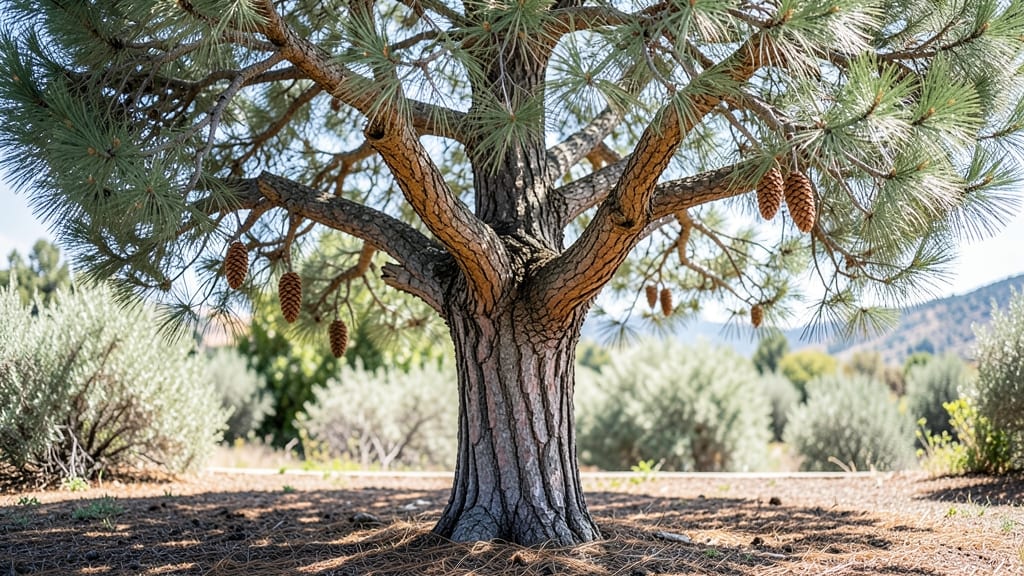
The care of your stone pine tree thrives when you prune it right—healthy growth and those prized pine nuts depend on it. 🌲 I’ve learned the hard way that skipping this step leads to tangled branches and fewer harvests, but the right cuts transform this Mediterranean beauty into a productive, picturesque centerpiece.
The secret lies in timing and technique: prune lightly in late winter to shape the tree, then again after harvest to encourage next year’s cones. Stone pines handle pruning better than most evergreens, but avoid overdoing it—they’re slow to recover.
Focus on removing dead wood, crossing branches, and thinning the canopy to let sunlight reach the lower limbs.
With proper care, you’ll see vibrant green needles and a sturdy structure that supports heavy pine cones. The tree’s natural resistance to pests means less work for you, but watch for spider mites in dry summers.
A good pruning session now sets you up for years of pine nut harvests and a showstopping landscape feature.
This method works for both young trees and mature specimens, whether you’re growing one in a Mediterranean climate or a sunny corner of your yard. The key is consistency—prune the same way every year, and your stone pine will reward you with generous harvests and elegant form for decades.
📚 In This Guide
- What you need
- Instructions
- Tips and common mistakes
- Wrapping up and next steps
What you need
- ● Pruning shears: Bypass pruners (for clean cuts on small branches, 6-8" blades, sharp and rust-resistant).
- ● Loppers: Long-handled (24-36") for thicker branches (up to 2" diameter), with a ratcheting or bypass blade.
- ● Pruning saw: Curved-tooth or folding handsaw for branches thicker than 2" (avoid bolt-cutters—they crush wood!).
- ● Ladder: Aluminum or fiberglass extension ladder (16-24' tall, stable, and non-slip). Safety first!
- ● Disinfectant: 70% isopropyl alcohol or diluted bleach solution (1 part bleach to 9 parts water) to sterilize tools between cuts.
- ● Gloves: Heavy-duty, cut-resistant (to protect from pine needles and sap).
- ○ Tree wound dressing (optional): Pruning sealant (controversial—only use if the tree has a history of disease; otherwise, let cuts heal naturally!).
- ● Work boots: Steel-toe or composite-toe for protection from falling branches.
- ● Safety goggles: ANSI-rated to shield eyes from debris.
- ● First-aid kit: Basic kit with bandages and antiseptic (for minor cuts or sap burns).
- ● Weather check: Prune on a dry, overcast day (avoid windy or rainy conditions). Ideal temps: 50–75°F (10–24°C).
- ● Safety gear: Wear long sleeves/pants to avoid sap burns and insect stings.
- ● Tree assessment: Inspect the tree for dead, diseased, or crossing branches before starting.
- ● Cleanup supplies: Heavy-duty trash bags (for debris) and a wheelbarrow or tarp (to haul away pruned branches).
- ○ Optional: String or measuring tape (to mark branches for removal) and a notebook (to track pruning notes).
Instructions for pruning stone pine trees year-round
Here’s how to keep your stone pine thriving with seasonal pruning—no fancy tools needed.
✂️ Step 1: Prune in Late Winter for Structure and Airflow
Start your year in late winter (February-March) when the tree is dormant but before new growth begins. This is the best time to shape the tree and remove dead or crossing branches. I like to work on a dry, sunny day when the wood is easier to cut cleanly.
Use sharp pruning shears to make cuts just outside the branch collar—the swollen area where the branch meets the trunk. Avoid leaving stubs, as they can rot and invite pests. You’ll see healthier branches emerge in spring, and airflow through the canopy improves dramatically.
☀️ Step 2: Light Summer Pruning for Fruit and Growth Control
In early summer (June), focus on thinning out some of the new growth to encourage larger pine nuts and reduce congestion. Remove any branches that are rubbing against each other or growing inward—they’ll compete for sunlight and weaken the tree.
I usually trim no more than 20-25% of the new growth in this step. Watch for fresh, vibrant green needles—these are your healthy branches. If you see yellowing or browning, that’s a sign of over-pruning or stress, so dial back immediately.
✂️ Step 3: Fall Cleanup for Pest and Disease Prevention
As temperatures drop in late fall (October-November), do a final check for dead or diseased branches. Stone pines are tough, but fallen needles and debris can harbor pests like bark beetles. Remove any branches with discolored needles or sap oozing from cuts.
This is also the time to clean up fallen pine cones and needles from the base of the tree. A leaf blower makes this easy—just work from the outside in to avoid disturbing the roots. You’ll notice fewer pests next spring, and the tree’s overall health improves with better airflow.
🌱 Step 4: Monitor and Adjust Year-Round
Between pruning seasons, keep an eye on your stone pine. If you notice branches growing too close together, do a quick trim in early spring to prevent future congestion. Avoid heavy pruning in summer—it stresses the tree and can reduce pine nut production.
I always check the tree after heavy winds or storms. Broken branches should be removed immediately to prevent disease. A healthy stone pine will reward you with abundant pine nuts and strong, upright growth—just keep those cuts clean and timely.
Tips & tricks for healthy stone pine tree care
Keeping your stone pine thriving year-round takes just a few smart strategies—here's how to avoid common pitfalls and maximize growth.
Tool Selection: Invest in a good pair of bypass pruning shears for clean cuts on branches up to ½-inch thick. For larger branches, use a pruning saw with a curved blade—it cuts cleaner and reduces tear-out. I've learned the hard way that dull tools create jagged cuts that heal poorly and invite disease. Always sharpen your tools before the late winter pruning season begins.
Seasonal Timing Insight: The February-March window for Step 1 is crucial because it's when the tree's sap is low, making it less stressful for the tree. If you miss this window, wait until early spring—but avoid pruning during active growth periods (late spring to summer) as it can stress the tree and reduce pine nut production. I've seen trees recover from late pruning, but they never produce as abundantly.
Visual Cues for Healthy Growth: In Step 2, look for these signs of healthy branches: vibrant green needles that stand out from the branch, flexible (not brittle) wood, and an upward growth pattern. Yellowing or browning needles indicate stress—either from over-pruning or environmental factors. I always trim just enough to open up the canopy while leaving at least 75% of the foliage intact to maintain photosynthesis.
Pest Prevention Strategy: During your late fall cleanup in Step 3, collect all fallen pine cones and needles in a sealed bag and dispose of them in the trash—not the compost. Bark beetles and other pests overwinter in this debris, and simply raking it away isn't enough. I've seen trees that looked healthy in spring suddenly decline because we missed this crucial step the previous fall.
Pro Tips for Stone Pine Tree Care
- Keeping your stone pine thriving year-round takes just a few smart strategies—here's how to avoid common pitfalls and maximize growth.
- Tool Selection: Invest in a good pair of bypass pruning shears for clean cuts on branches up to ½-inch thick.
- Seasonal Timing Insight: The February-March window for Step 1 is crucial because it's when the tree's sap is low, making it less stressful for the tree.
Frequently asked questions
Got questions about keeping your stone pine tree thriving? You’re not alone! Here are some of the most common concerns—and straightforward answers—to help you care for this Mediterranean beauty with confidence.
How often should I prune my stone pine tree?
Prune your stone pine once a year, ideally in late winter or early spring (before new growth starts). Light trimming to remove dead or crossing branches can be done anytime, but avoid heavy pruning in summer—it stresses the tree. Focus on shaping and thinning to improve airflow and sunlight penetration. Pro tip: Never cut more than 25% of the canopy in one session!
Can I prune a stone pine in winter?
Yes, but with caution! Stone pines are drought-tolerant but frost-sensitive. Prune in mild winter months (avoid deep freezes) to prevent stress. If you must prune in cold weather, do it on a warm, sunny day and avoid heavy cuts. Wait until spring for major pruning if winter temps drop below 20°F (-6°C).
Will pruning affect my stone pine’s pine nuts?
Pruning won’t harm pine nut production if done correctly! Focus on removing dead, diseased, or overcrowded branches—this actually boosts fruit yield by improving sunlight and air circulation. Avoid cutting back mature cones or new shoots, as these are where pine nuts develop. Healthy trees produce more nuts, so prune to encourage overall vigor!
What’s the best tool for pruning stone pine branches?
Use sharp, sterilized tools to prevent damage and disease:
- Hand pruners for small branches (<1 inch thick).
- Loppers for medium branches (1–2 inches).
- Pruning saw for thick branches (2+ inches).
Why are my stone pine needles turning brown?
Brown needles usually signal one of three issues:
- Overwatering (root rot) – Let soil dry between waterings.
- Underwatering (drought stress) – Deep water 1–2 times/week in dry spells.
- Pests/disease (e.g., spider mites, needle blight) – Inspect for webs or fungi; treat with neem oil or fungicide if needed.
Wrapping up and next steps
Caring for your stone pine tree is a rewarding journey that yields stunning foliage and delicious edible pine nuts—with the right pruning techniques, you’ll set it up for years of vibrant growth! 🌿 By following seasonal guidelines, using the proper tools, and addressing common challenges, you’ll help your tree thrive while ensuring a bountiful harvest.
Now that you’re equipped with the know-how, roll up your sleeves and give your stone pine the TLC it deserves—then, why not share your progress with fellow gardeners or even expand your green thumb skills to other Mediterranean varieties? Happy pruning!