
Pruning
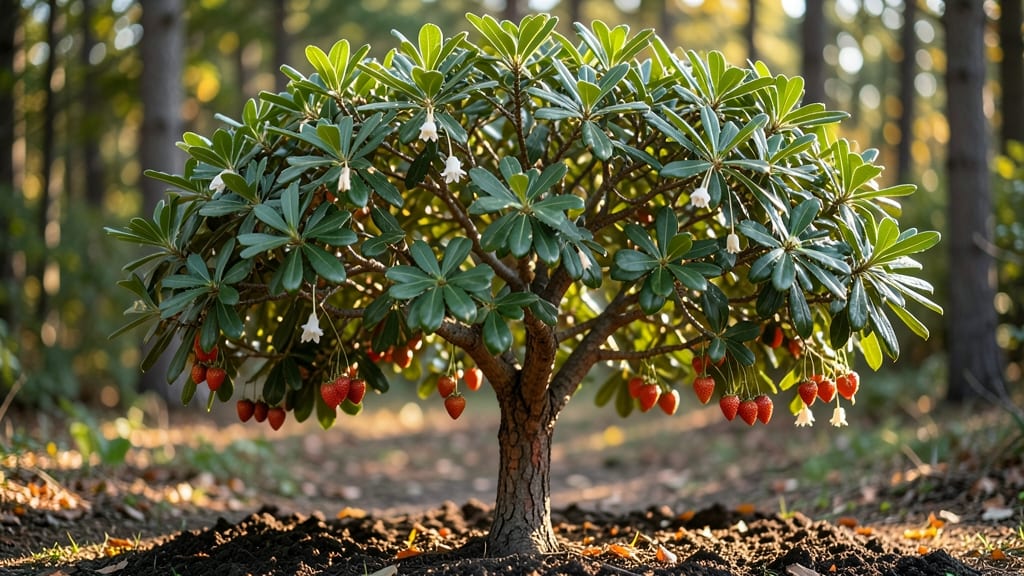
Growing a strawberry tree in Oregon means year-round fruit with minimal fuss. 🌿 The Arbutus unedo thrives in our mild winters, while the native Arbutus menziesii handles coastal fog and inland heat—both produce those iconic red berries that taste like strawberries and almonds.
I’ve grown both in my Portland yard, and here’s how to keep yours healthy through every season.
Oregon’s climate is actually perfect for these trees—just watch for coastal dampness or inland heat spikes. They love well-draining soil (even rocky ground) and full sun, though they tolerate partial shade.
Plant in fall or early spring, and water regularly the first year to help roots establish. Once settled, they’re shockingly drought-tolerant, which is a lifesaver when summer hits.
Pruning is where the magic happens. Cut back dead branches in late winter, and shape the tree in early spring to encourage new growth. The key? Don’t overdo it—these trees bloom on old wood, so heavy pruning reduces fruit.
With the right care, you’ll harvest berries from late summer through winter, a rare treat in the Pacific Northwest.
For coastal gardeners, Arbutus menziesii is the star—it handles salt spray and fog like a champ. Inland growers can go for Arbutus unedo, which handles drier summers better. Either way, these trees are low-maintenance once established, making them a dream for busy gardeners who still want a fruit harvest.
📚 In This Guide
- What you need
- Instructions
- Tips and common mistakes
- Wrapping up and next steps
What you need
- ● Strawberry tree sapling or bare-root plant – Choose a cold-hardy variety (like ‘Marina’ or ‘Elfin King’) from a reputable nursery. Size: 1–3 gallons or bare-root.
- ● Well-draining soil mix – Oregon’s clay-heavy soil? No problem! Amend with: 50% native soil
- ● 30% compost or aged manure
- ● 20% perlite or coarse sand
- ● Organic mulch – Type: Wood chips or straw (3–4 inches thick) to insulate roots in winter.
- ● Slow-release fertilizer – NPK ratio: 10-10-10 or 8-3-9 (apply in early spring).
- ● Pruning tools: Bypass pruners (for small branches)
- ● Loppers (for thicker stems, up to 1.5 inches)
- ● Sharp pruning saw (for stubborn branches)
- ● Planting hole – Size: Twice as wide as the root ball, depth: Same as the container’s height.
- ● Soil pH test kit (ideal range: 5.0–6.5; Oregon’s soil may need lime or sulfur adjustments).
- ● Tree collar spray (to protect against fungal diseases in wet climates).
- ● Winter frost cloth (for young trees in Zone 7b/8a areas).
- ● Garden gloves (to avoid sap irritation—strawberry trees have mild allergens!).
- ● Stake and ties (if planting in windy Oregon spots).
Step-by-Step instructions for planting and pruning strawberry trees in Oregon
Here's how to establish a thriving strawberry tree in Oregon's climate—where cold winters and mild summers create ideal conditions for this unique fruit producer.
🌱 Step 1: Plant in Well-Draining Soil with Full Sun
Choose a location with at least 6 hours of direct sun daily—strawberry trees need plenty of light to produce fruit. Oregon's coastal areas get milder winters, so even a partially sunny spot works, but inland areas should prioritize full sun. Dig a hole twice as wide as the root ball but only as deep—planting too deep suffocates the roots.
Amend the native soil with compost or well-rotted manure to improve drainage, which is critical in Oregon's rainy climate. Strawberry trees hate soggy roots. Mix the amendment into the bottom 6 inches of the hole, then place the tree so the top of the root ball sits 1 inch above ground level. This prevents water from pooling around the trunk.
☀️ Step 2: Water Deeply After Planting and During Drought
Water the tree deeply right after planting—soak the soil until water runs out the bottom of the hole. Oregon's winter rains often handle moisture needs, but in summer, water once a week if the top 2 inches of soil feel dry. Strawberry trees are drought-tolerant once established, but young plants need consistent moisture to root.
Use a drip irrigation system or soaker hose to deliver water slowly at the base. Avoid overhead watering, which can spread fungal diseases in Oregon's humid summers. Mulch with 3 inches of wood chips around the base (keep mulch 6 inches away from the trunk) to retain moisture and regulate soil temperature.
✂️ Step 3: Prune for Cold Hardiness and Fruit Production
Prune your strawberry tree in early spring (March-April in Oregon) before new growth begins. Remove any dead, damaged, or crossing branches first—these compete with fruit production. Cut back one-third of the oldest wood each year to encourage new growth and maintain the tree's shape. This rejuvenation pruning is key for Oregon's cold winters.
After fruiting in late summer, do a light cleanup prune to remove spent fruit clusters and any weak growth. Never prune in fall—new growth won't harden off before winter. In Oregon's mild coastal areas, you might see two fruiting cycles per year, but inland areas will have one main harvest in summer.
🌿 Step 4: Fertilize Lightly for Balanced Growth
Strawberry trees aren't heavy feeders, but a light application of balanced fertilizer (10-10-10) in early spring promotes healthy growth. Use half the recommended dose—too much nitrogen leads to leafy growth at the expense of fruit. In Oregon's acidic soils, a low-dose lime application every 3-4 years helps maintain pH between 6.0-7.0.
Watch for signs of over-fertilization: dark green leaves with yellowing edges or rapid but weak growth. If you see these, flush the soil with extra water and reduce future feedings. Strawberry trees in nutrient-rich Oregon soils often need little to no fertilizer after the first year.
Tips & tricks for perfect strawberry tree care in Oregon
Oregon's unique climate demands special attention when growing strawberry trees—here's how to avoid common pitfalls and maximize fruit production.
Location and Sunlight: While the instructions mention 6 hours of direct sun daily, coastal Oregon gardeners can sometimes get away with slightly less due to milder winters. However, inland areas absolutely need full sun—even 5 hours can lead to poor fruiting. If your yard has partial shade, choose the sunniest spot possible and consider a dwarf variety that tolerates less light better.
Soil Amendments: The 6 inches of compost or well-rotted manure in Step 1 should be mixed thoroughly with native soil—don't just place it at the bottom. Oregon's naturally acidic soils often need extra organic matter to improve drainage. For heavy clay soils common in the Willamette Valley, consider adding 10-15% perlite or coarse sand to the mix to prevent waterlogging, which strawberry trees absolutely hate.
Pruning Timing: The early spring pruning in Step 3 (March-April) is critical, but don't wait until buds start swelling—this is your window. In coastal areas where winters are milder, you might see new growth as early as February, so stay vigilant. When cutting back one-third of the oldest wood, look for branches that are thicker than a pencil—these are the ones competing with fruit production. Use sharp pruners to make clean cuts just above outward-facing buds.
Watering Strategy: The once-a-week watering guideline assumes average summer temperatures. During Oregon's heatwaves (especially in the Columbia Gorge), you may need to water every 4-5 days instead. Check soil moisture by sticking your finger 2 inches deep—if it feels dry, it's time to water. The 3 inches of wood chips mulch is perfect, but keep it 6 inches away from the trunk to prevent rot—a common mistake that kills many strawberry trees.
Pro Tips for Strawberry Tree Oregon
- Oregon's unique climate demands special attention when growing strawberry trees—here's how to avoid common pitfalls and maximize fruit production.
- Location and Sunlight: While the instructions mention 6 hours of direct sun daily, coastal Oregon gardeners can sometimes get away with slightly less due to milder winters.
- Soil Amendments: The 6 inches of compost or well-rotted manure in Step 1 should be mixed thoroughly with native soil—don't just place it at the bottom.
Frequently asked questions
Got questions about growing and pruning your strawberry tree (Arbutus unedo) in Oregon’s chilly climate? Here are answers to the most common queries—from pruning tips to fruit timing and troubleshooting!
When is the best time to prune a strawberry tree in Oregon?
Prune your strawberry tree in late winter or early spring (February–March) before new growth begins. This ensures healthy regrowth and avoids damaging winter buds. In Oregon’s mild coastal areas, you can also lightly prune after fruiting (fall) to shape the tree—just avoid heavy cuts.
How cold-hardy is the strawberry tree, and will it survive Oregon winters?
The strawberry tree thrives in USDA Zones 7–9, making it suitable for most of Oregon except high deserts or alpine areas. In colder zones (like eastern Oregon), plant it in a sheltered, south-facing spot and mulch heavily to protect roots. Young trees may need winter wraps for extra insulation.
How long does it take for a strawberry tree to bear fruit in Oregon?
Patience is key! Strawberry trees typically take 3–5 years to produce fruit after planting. In Oregon’s climate, expect the first harvest in late fall or winter (October–December), when the fruit ripens. Young trees focus on root and branch growth first—don’t rush pruning!
Should I remove dead branches, or can I leave them for winter?
Always remove dead, diseased, or crossing branches year-round—even in winter. Deadwood harbors pests and weakens the tree. In Oregon’s wet winters, prune out mushroom-covered or rotten limbs immediately to prevent fungal spread. Use sterilized pruners and seal larger cuts with pruning sealant.
What can I plant near a strawberry tree in Oregon to improve growth?
Strawberry trees love acidic, well-draining soil, so pair them with Oregon-native companions like rhododendrons, azaleas, or heather. Avoid planting near walnuts or blackberries, which compete for nutrients. A mulch layer of pine needles or wood chips mimics their natural habitat and retains moisture.
Wrapping up and next steps
Growing a strawberry tree in Oregon is a rewarding journey that brings year-round fruit and stunning foliage to your landscape! With the right pruning techniques—like cold-hardy trimming—you’ll ensure a thriving tree that keeps producing delicious berries season after season. 🌱
Now that you’re equipped with the knowledge, roll up your sleeves and get pruning! Start with a small section of your tree, follow the steps, and watch it flourish.
Before you know it, you’ll be enjoying fresh, homegrown strawberries straight from your very own Arbutus unedo—one berry at a time! 🍓✨