
Pruning
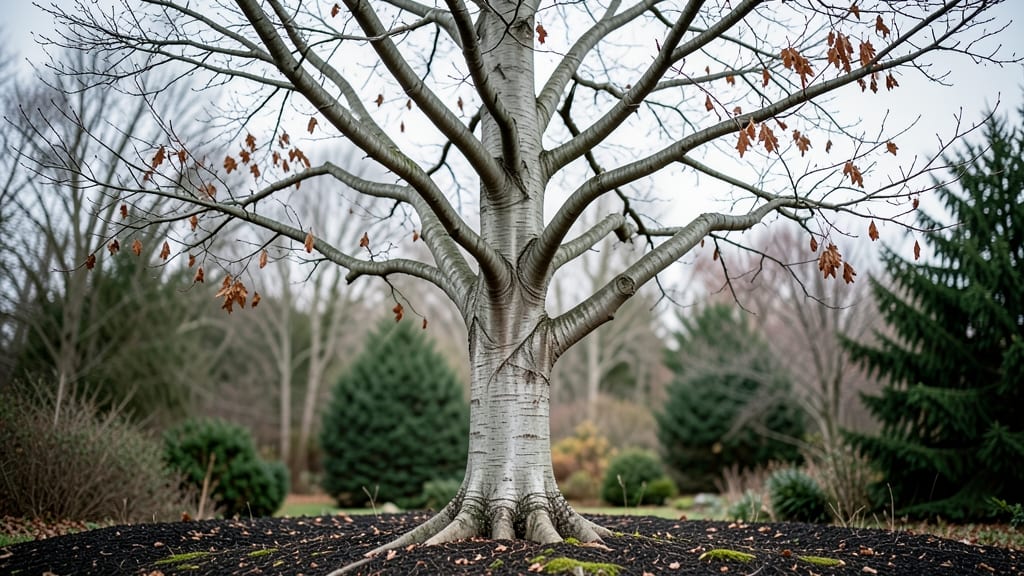
Winter pruning your sugar maple tree reveals its skeleton in the best way—strategic cuts now mean a stronger, more vibrant canopy by spring. 🌳 I've learned that late winter, when the tree is still dormant but pests are quiet, is the perfect time to shape it without stressing the wood.
The bark's rugged texture and intricate branching patterns become even more striking after a fresh trim, and the tree rewards you with healthier growth when the sap starts flowing again.
You'll need sharp pruning shears, loppers for thicker branches, and a clean workspace to avoid spreading disease. Focus on removing dead, diseased, or crossing branches first—they weaken the tree and invite pests. For every cut, aim to make clean slices just outside the branch collar where it meets the trunk.
This simple technique encourages faster healing and stronger regrowth, which is especially important for sugar maples that already have a slower recovery rate than faster-growing species.
The payoff comes in spring when you see fresh, bright green leaves pushing from the pruned branches. A well-pruned sugar maple produces more vibrant fall foliage and even supports better sap flow if you're tapping for syrup.
The tree's natural resilience means you can be more aggressive with shaping than with many other species, but always limit cuts to no more than 25% of the canopy in any single season to avoid shocking the tree.
This method works best in zones 3-7, where sugar maples thrive, but the principles apply anywhere the tree grows. Just time your pruning for late winter when temperatures hover around 40°F—cold enough to keep the tree dormant but warm enough for comfortable work.
The key is working with the tree's natural rhythms, not against them, so you end up with a tree that looks stunning year-round and lives for centuries.
📚 In This Guide
- What you need
- Instructions
- Tips and common mistakes
- Wrapping up and next steps
What you need
- ● Pruning saw: A sharp, high-quality bow saw or pruning saw (for branches 2–4 inches thick). Pro tip: 💡 Opt for a curved blade for cleaner cuts.
- ● Loppers: Bypass loppers (rated for branches up to 2 inches thick) with ergonomic handles for comfort.
- ● Pruning shears: Bypass shears (for branches under ½ inch) with stainless steel blades to prevent rust.
- ● Gloves: Heavy-duty leather gloves (rated for cut-resistant protection) to shield against splinters and sap.
- ● Safety gear: Safety glasses (ANSI-rated)
- ● Ear protection (if using a chainsaw for larger branches)
- ● Non-slip boots or steel-toe shoes
- ● Ladder: A stable, extendable ladder (rated for your weight + tools) with non-slip feet.
- ● Disinfectant: 70% isopropyl alcohol or a pruning sealant (like Tanglefoot Tree Wound Pruning Seal) to sterilize tools and treat cuts.
- ● Heavy-duty trash bags: 2–3 large bags (30-gallon size) for debris cleanup.
- ● Chainsaw: For branches over 4 inches thick (use with caution—safety first!).
- ● Rope or harness: A tree climber’s harness if your tree is tall (for professional-grade pruning).
- ● Marking spray: Non-toxic paint (like Floetrol) to mark cuts before pruning.
- ● First-aid kit: For minor scrapes or sap burns (include baking soda paste to neutralize sap irritation).
- ● Weather check: A portable thermometer to confirm temps are above 40°F (ideal for dormant pruning).
Step-by-step guide to pruning your sugar maple tree in winter
Winter’s dormant season is the perfect time to shape your sugar maple—here’s how to do it right.
✂️ Step 1: Identify and Remove Dead or Diseased Branches
Start by scanning the tree for branches that are completely brown, brittle, or devoid of buds. These are dead and should be removed immediately. I like to use sharp pruning shears for smaller branches and a pruning saw for anything thicker than 2 inches in diameter. Cut just outside the branch collar—the swollen area where the branch meets the trunk—to promote fast healing.
For diseased branches, disinfect your tools with rubbing alcohol between cuts to prevent spreading pathogens. You’ll know a branch is diseased if it has odd discoloration, oozing sap, or fungal growth. Remove these first—they’re the weakest points in your tree’s structure.
✂️ Step 2: Thin the Canopy for Better Airflow and Light
Next, focus on thinning the canopy by removing branches that cross or rub against each other. These create wounds that invite pests and disease. Aim to open up the center of the tree so light can reach all the way to the inner branches. I target branches that grow inward or downward, as they compete with stronger, outward-growing limbs.
Cut back to a lateral branch or bud that’s facing outward. This encourages the tree to grow in a more balanced shape. Never remove more than 25% of the tree’s foliage in one season—this can stress the sugar maple, especially in colder climates.
✂️ Step 3: Shape the Tree for Structural Balance
Now it’s time to refine the tree’s shape. Look for branches that disrupt the natural V-shape of the sugar maple’s growth habit. Remove any that grow straight up or down, as these are more prone to breaking in storms. Use your hand as a guide—if a branch is thicker than your wrist, it’s a major structural limb and should be left alone unless absolutely necessary.
Make your cuts at a 45-degree angle just outside the branch collar. Avoid leaving stubs, as these can rot and attract insects. If you’re unsure about a cut, step back and visualize how it will affect the tree’s overall balance. A well-shaped sugar maple will have a strong central leader and evenly spaced branches.
⏰ Step 4: Clean Up and Apply Wound Dressing (If Needed)
After pruning, rake up and dispose of all debris to keep your yard tidy and reduce the risk of disease. For larger cuts—those 3 inches or wider—you can apply a tree wound dressing to protect the exposed wood. I prefer a natural option like pruning sealant made from beeswax and pine tar, which allows the tree to heal naturally while shielding it from harsh winter winds.
Finally, water the base of the tree deeply if the ground isn’t frozen. This helps the roots recover from the stress of pruning. Avoid fertilizing in winter, as the tree isn’t actively growing. Instead, let it rest and focus on healing before spring.
Tips & tricks for perfect sugar maple tree pruning
Winter pruning transforms your maple into a healthier, more resilient giant—here’s how to avoid common pitfalls and elevate your technique.
Tool Prep is Everything: Before you start, sharpen your pruning shears and saw—dull blades tear wood instead of making clean cuts. I test sharpness by cutting a small twig; if it crushes instead of slices, it’s time to sharpen. For branches thicker than 2 inches, use a pruning saw with a fine-toothed blade to prevent splintering. A clean cut at the branch collar (that swollen area where the branch meets the trunk) heals faster and looks more professional.
Disease Detection Trick: Diseased branches often have telltale signs like oozing sap, fungal growth, or unusual discoloration. Here’s a pro move: Scrape a small area with your fingernail—healthy bark is firm and smooth, while diseased bark feels soft or crumbly. Always disinfect tools between cuts with rubbing alcohol, especially when dealing with infected branches. This simple step prevents spreading pathogens to healthy parts of your tree.
Canopy Thinning Strategy: When thinning the canopy in Step 2, prioritize branches that grow inward or downward—they compete with stronger, outward-growing limbs for sunlight and nutrients. I use the "third cut" rule: If a branch is thicker than my wrist, I make my cut at a 45-degree angle just outside the branch collar. For smaller branches, cut back to a lateral branch or bud facing outward. This encourages balanced growth and prevents future storm damage.
Winter Pruning Wisdom: Remember, sugar maples are dormant in winter, so they’re less stressed by pruning. However, never remove more than 25% of the foliage in one season—this can shock the tree. If you’re unsure about a cut, step back and visualize how it affects the tree’s overall shape. A well-pruned maple should have a strong central leader and evenly spaced branches that create a natural V-shape.
Pro Tips for Sugar Maple Tree In Winter
- Winter pruning transforms your maple into a healthier, more resilient giant—here’s how to avoid common pitfalls and e...
- Tool Prep is Everything: Before you start, sharpen your pruning shears and saw—dull blades tear wood instead of makin...
- Disease Detection Trick: Diseased branches often have telltale signs like oozing sap, fungal growth, or unusual disco...
Frequently asked questions
Got questions about pruning your sugar maple tree in winter? You’re not alone—this seasonal task can be tricky! Here are answers to the most common queries to help you prune with confidence.
Why is winter the best time to prune a sugar maple tree?
Winter (late dormancy, December–early March) is ideal because the tree isn’t actively growing, so cuts heal faster. Plus, you can see the tree’s structure clearly without leaves! Avoid pruning during extreme cold or when sap is flowing heavily (like early spring).
What’s the safest temperature range for pruning?
Prune when temperatures are above 40°F (4°C) to prevent shock. Aim for days between 50–60°F (10–15°C)
Look for 3 key signs of a healthy cut:
No! Young trees (under 10 years) need light shaping—focus on removing dead, crossing, or weak branches (max 25% of foliage). Mature trees can handle selective thinning (30–40% of branches) to improve airflow and sunlight. Avoid heavy pruning on young trees—it stresses their growth. Sap oozing is normal for a few weeks, but if you see blackened edges, mold, or excessive weeping, act fast:
Mark your pruning schedule now! Sugar maples benefit from annual light pruning in winter and corrective cuts in late spring (after leaf bud). Keep a pruning log to track growth patterns over time. How do I know if I’m making the right cuts?
Can I prune a young sugar maple the same way as a mature one?
What should I do if my cuts start oozing sap or look infected?
Pro Tip:
Wrapping up and next steps
The sugar maple tree in winter isn’t just a dormant beauty—it’s a pruning powerhouse waiting for your strategic touch!
By timing cuts during its slumber, you’re not only shaping its future growth but also safeguarding its health for years to come. Think of winter pruning as a gift to your tree—one that pays dividends in vibrant foliage and abundant sap.
Ready to roll up your sleeves? Grab your tools, lace up those boots, and give your sugar maple the care it deserves.
Start small, observe its response, and let every snip be a step toward a thriving, resilient tree. 🌿 Your next step? Schedule that first winter pruning session—your tree’s future starts now!