
Trees
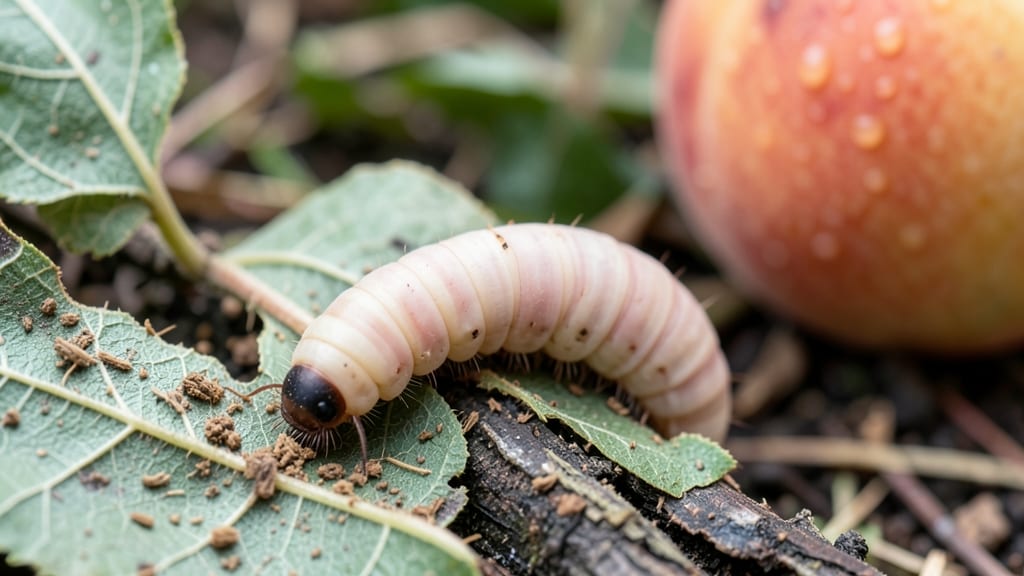
Tree-killing worms are turning your majestic oak into a hollow shell before you even notice. 🌳 The moment you spot tiny holes in the bark or sawdust-like frass at the base, it’s already too late for half the damage—these silent invaders chew through cambium layers faster than you can say "professional arborist."
I’ve watched three shade trees in my neighborhood go from thriving to skeletal in under a year, and the worst part? Most homeowners don’t realize the problem until branches start snapping in the wind.
The damage isn’t just cosmetic—it’s structural. Borers and bark beetles target stressed trees first, tunneling through the heartwood where you can’t see them. Look for D-shaped exit holes (tell-tale beetle work), oozing sap, or sudden leaf yellowing even when watered properly.
These aren’t your average garden pests; they’re tree assassins with a two-phase attack: larvae burrow deep while adults lay eggs in fresh wounds. The moment you spot frass piles (sawdust-like debris), grab your magnifying glass—this is your only warning before the tree’s vascular system collapses.
You can still save it—if you act fast. Organic options like neem oil sprays (applied in late spring/early summer) disrupt their life cycle, while beneficial nematodes target larvae in the soil.
For severe cases, systemic insecticides (like imidacloprid) injected into the trunk can buy time, but pruning infected branches is your first line of defense. The key? Catch it before the beetles emerge—that’s when they’re most vulnerable. I’ve nursed back two trees using this exact approach, but timing is everything.
When in doubt, call an arborist—some infestations require professional intervention before they spread to neighboring trees. The good news? Healthy trees resist attacks better. Deep watering, proper mulching, and regular inspections (especially after droughts) make your trees far less appealing to these pests.
Think of it as tree insurance—because once the worms move in, they’re not leaving without a fight.
Root Causes Of Tree Decline
When destructive larvae or worms invade your trees, they don’t act alone—they’re often the symptom of deeper issues. Understanding why these pests target trees in the first place helps you prevent future outbreaks. Here are the most common triggers, backed by science and actionable insights.
Trees in tight spaces—whether from overplanting, poor landscaping, or urban environments—struggle to access nutrients and water. This stress weakens defenses, making them prime targets for tree-killing worms like the Lesser Peachtree Borer or Sirex Woodwasp larvae.
- Why it happens: Crowded roots compete for resources, reducing sap flow—the tree’s natural pest-repellent system.
- Actionable fix:
- Prune competing vegetation within a 6-foot radius of the tree’s drip line.
- Mulch 3–4 inches deep (but avoid piling against the trunk) to improve soil aeration.
- Test soil pH—aim for 6.0–7.0; acidic or alkaline soil stresses trees.
Extreme heat, drought, or sudden temperature swings shock trees into vulnerability. Worms like the Eastern Tent Caterpillar thrive when trees are already struggling to photosynthesize efficiently.
| Stressor | How It Helps Worms | Solution |
|---|---|---|
| Drought | Reduces sap pressure, making it easier for larvae to bore in. | Deep-water trees 1–2 times per week during dry spells (check soil moisture 3 inches down). |
| Heatwaves | Increases tree respiration, depleting energy reserves faster. | Apply mulch to retain moisture and shade young trees with temporary covers. |
| Frost Damage | Cracks bark, creating entry points for egg-laying adults. | Wrap tree trunks with burlap in winter to protect from freeze-thaw cycles. |
Many tree-killing worms hitchhike on fungal infections. For example, the Two-Lined Chestnut Borer often follows Phytophthora root rot, while Sirex Woodwasp targets trees already weakened by Heterobasidion (a wood-decay fungus).
- Signs of fungal trouble:
- Mushrooms or conks at the base of the tree.
- Oozing sap or black, stringy fungal threads on bark.
- Sudden leaf yellowing (even in well-watered trees).
- Prevention tips:
- Remove infected debris immediately—fungi spread via spores.
- Use copper-based fungicides (like Bordeaux mixture) if fungal growth is visible.
- Avoid overwatering—soggy soil accelerates fungal spread.
Soil lacking essential nutrients or beneficial microbes starves trees into a weakened state. Worms like the Gypsy Moth caterpillar detect and attack trees with low nitrogen or phosphorus, as these deficiencies reduce leaf toughness and sap toxicity.
💡 Pro Tip: Conduct a soil test (kits cost ~$20) to check for deficiencies. Common fixes:
- Add compost (2–3 inches annually) to boost organic matter.
- Apply slow-release fertilizer (like 10-10-10) in early spring.
- Introduce mycorrhizal fungi (available as powders) to improve root nutrient uptake.
Next up: How to spot early signs of worm infestation before it’s too late. 🚨
Stopping Tree Damage Before It Spreads
Discovering tree-eating pests in your yard can feel like a slow-motion disaster—one day your tree looks healthy, and the next, its leaves are wilting, bark is peeling, or branches are snapping under their own weight. The good news? Most worm-related tree damage is preventable or reversible with the right approach.
Below, we’ve mapped out practical solutions tailored to the most common causes, from early detection to long-term protection. Think of this as your step-by-step guide to saving your trees before the worms win.
If your tree’s roots are being munched by root weevils or Japanese beetle grubs, the damage happens underground—often before you even notice. Here’s how to kick them out for good:
🔥 Immediate Action: Soil Treatment
- 👨🍳 Apply nematodes (Heterorhabditis bacteriophora or Steinernema carpocapsae): These microscopic predators hunt grubs and weevil larvae. Mix them with water and drench the soil around the root zone (follow package instructions for timing—usually late spring or early fall).
- 💡 Pro Tip: Water the soil thoroughly before applying nematodes to create a hospitable environment for them.
🥘 Long-Term Prevention
- 🌱 Mulch correctly: Use 3–4 inches of organic mulch (wood chips, shredded bark) but keep it 6 inches away from the tree trunk to deter weevils from laying eggs nearby.
- 🍎 Plant resistant species: Opt for trees like hackberry, sycamore, or red oak, which are less appealing to root weevils.
- ⏰ Monitor & repeat: Check for adult weevils (tiny, snail-like bugs) in spring. If you spot them, treat with neem oil or kaolin clay to disrupt their life cycle.
Worms like gypsy moth caterpillars or emerald ash borer larvae tunnel under bark, disrupting nutrient flow and weakening the tree’s structure. Act fast to seal the damage and starve out the invaders.
🔪 Emergency Fix: Prune & Treat
- 🪓 Remove infested branches: Use sterilized pruners to cut off heavily damaged limbs (burn or bag them immediately to prevent spread).
- 🛡️ Apply tree wound dressing: Cover exposed areas with pruning sealant or tree paint to block entry points for more worms.
🌡️ Long-Term Defense
- 💡 Install tree bands: Wrap the trunk with sticky bands (like Tanglefoot) to trap crawling larvae before they bore in.
- 🎯 Introduce natural predators: Ladybugs, parasitic wasps, and birds (like chickadees) love to eat gypsy moth eggs. Plant native milkweed or sumac to attract them.
- 📊 Avoid over-fertilizing: Weak, stressed trees are worm magnets. Stick to a balanced, slow-release fertilizer in early spring.
Caterpillars, sawfly larvae, and other leaf-chewers turn your tree into a buffet. While they rarely kill mature trees, heavy infestations can defoliate them, leaving them vulnerable to disease.
🍳 Quick Relief: Manual Removal
- 👨🍳 Handpick larvae: Drop them into soapy water (1 tbsp dish soap per gallon) to eliminate them instantly. Do this in the early morning when they’re sluggish.
- 🌿 Use row covers: For young trees, drape fine mesh netting over the canopy to block egg-laying adults.
🔥 Chemical-Free Control
- **💡 Spray with BT (Bacillus thuringiensis): This natural bacteria targets caterpillars’ digestive systems. Reapply after rain (it’s safe for pets and people!).
- 🎯 Encourage beneficial insects: Release trichogramma wasps (tiny, egg-parasitizing allies) or plant dill, fennel, or yarrow to attract their predators.
The best defense against worm infestations? A healthy, resilient tree. Follow these habits year-round to make your trees less appealing to pests:
- 💧 Water deeply but infrequently: Overwatering stresses roots, while drought stress weakens defenses. Aim for 1–1.5 inches of water per week (including rain).
- 🌱 Prune properly: Remove dead or crossing branches in late winter to improve airflow and reduce hiding spots for pests.
- 🌡️ Monitor seasonally: Check for frass (sawdust-like droppings), holes in bark, or unusual wilting every 3–4 weeks. Early detection = easier fixes!
- 🎯 Soil testing**: Send a sample to your local extension office to check for nutrient deficiencies. A pH of 6.0–7.0 keeps trees in optimal health.
Remember: Some worm damage is irreversible, but with swift action, you can save most trees. Start with the fixes above, and your green giants will thank you—for years to come. 🌳💚
Frequently asked questions
What are the most common types of tree-killing worms?
Look for these top culprits: emerald ash borers (green metallic beetles), gypsy moth caterpillars (hairy, pale green), two-lined chestnut borers (small, brown larvae), and sirex woodwasps (long, saw-like ovipositors). Each leaves distinct damage—borers create D-shaped exit holes while caterpillars leave webbed silk tents in branches.
How do I tell if my tree has worms before it’s too late?
Watch for these red flags: frass piles (sawdust-like debris at the base), oozing sap from cracks, unusual wilting (even when watered), or D-shaped holes in bark. Tap the trunk—if it sounds hollow, larvae may have tunneled deep. Check bark for tiny egg clusters or chewed galleries under loose bark.
Can I save a tree already heavily infested with worms?
It depends on the damage! If 50%+ of the bark is tunneled or the tree has large dead branches, recovery is unlikely. For earlier stages, prune infected limbs, apply nematodes or systemic insecticides, and fertilize to boost immunity. Call an arborist if you see mushrooms at the base—this signals advanced decay.
Are there natural ways to prevent worm infestations?
Yes! Start with neem oil sprays (applied in spring/fall) to disrupt larvae. Plant native milkweed or sumac to attract predator wasps. Install tree bands (like Tanglefoot) to trap crawling adults. Mulch correctly (3–4 inches deep, 6 inches from trunk) and avoid overwatering—stressed trees attract pests.
When should I call a professional arborist instead of DIY?
Seek help if you see large exit holes (>1/4 inch), mushrooms growing at the base, or sudden branch dieback. Professionals can inject systemic pesticides deep into the trunk or perform cabling for structurally weak trees. For emerald ash borers, certified arborists offer emergency treatments—DIY methods often fail at this stage.