
Lawn
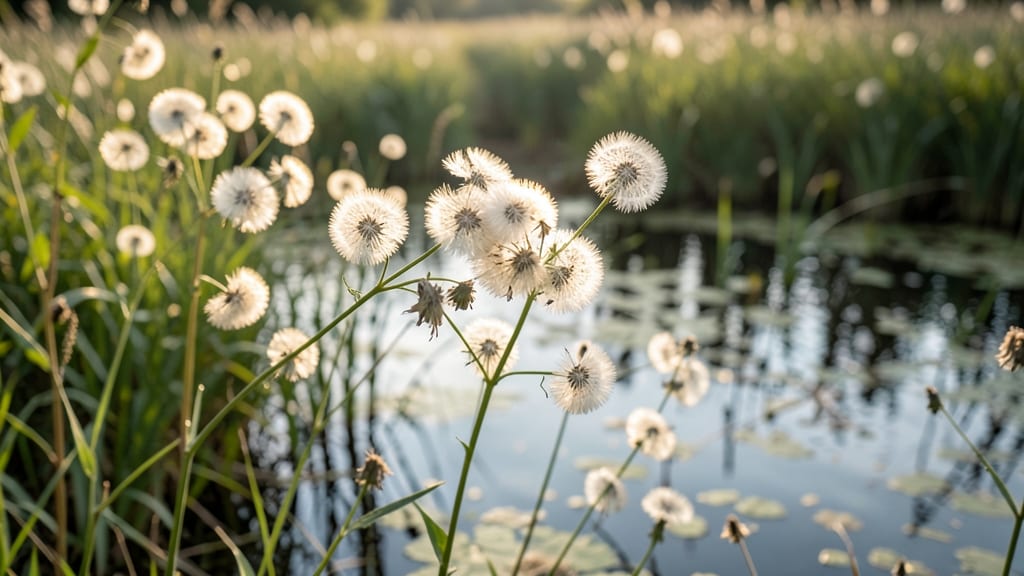
Struggling to identify trees by their seed pods? These 10 distinct species offer unique visual clues that make recognition effortless, even for beginners. Learn how to spot key characteristics that separate common trees in your landscape.
Maple Helicoid Seed Pods with Opposite Branches
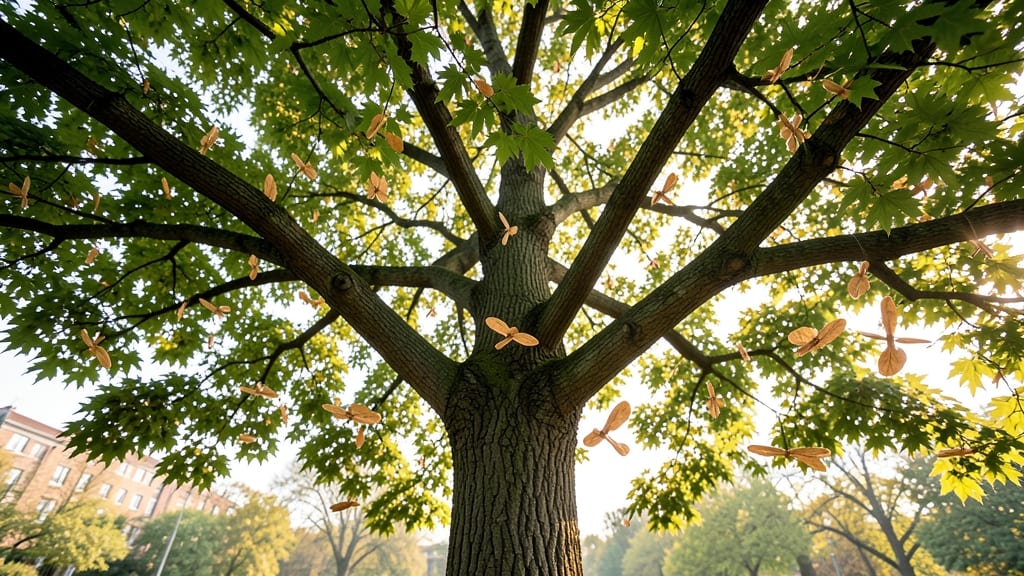
Spotting trees in your neighborhood just got easier with maple trees—their iconic helicopter-shaped samaras and opposite branching make them a dead giveaway, even from a distance. These seed pods are nature’s way of turning identification into a fun game, especially in urban parks where maples thrive.
The samaras (those whirlybird seed pods) spin dramatically as they fall, making them impossible to miss in autumn. Look for paired leaves growing directly across from each other on the stem—a hallmark of maple trees. This opposite branching pattern is your secret weapon for distinguishing them from other trees with similar seed pods, like ash or elm.
Perfect for city dwellers and suburban gardeners, maples are low-maintenance and adaptable to various soils. Grab a handful of samaras next time you see them—they’re a great conversation starter and a fun way to learn about local ecosystems. 🌿
Sweet Gum Spiky Seed Balls
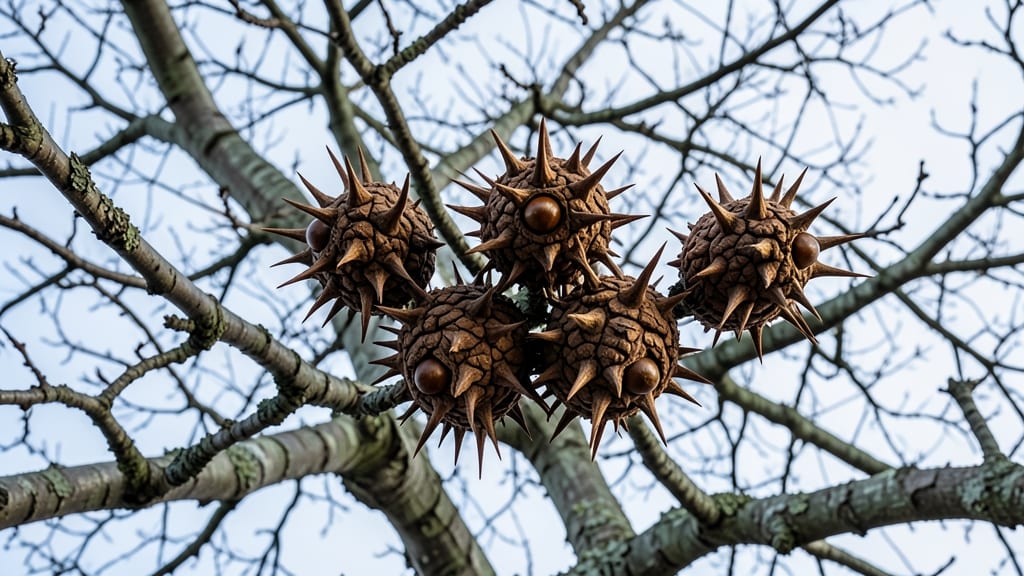
When winter arrives and most trees shed their seed pods, sweet gum trees stand out with their spiky seed balls that cling to branches like nature's own porcupine ornaments. These striking clusters—often called "gumballs"—are one of the most recognizable seed pods in the eastern U.S., offering a year-round identification clue long after other trees have gone bare.
Each 1-inch-wide ball is covered in sharp, triangular spines that protect the seeds inside. Unlike many seed pods that fall in autumn, sweet gum seed balls remain attached through winter, making them ideal for quick identification when leaves are gone. The tree itself has star-shaped leaves and distinctive camouflage bark, adding another layer of visual confirmation. These pods are also a favorite of wildlife, providing food for birds and small mammals.
For gardeners and nature lovers, these unmistakable seed clusters are a great teaching tool—especially for beginners learning to identify trees by their unique features. Just be cautious when handling them; those spines pack a punch! 🌟
Pinecone Needle Arrangement Variations
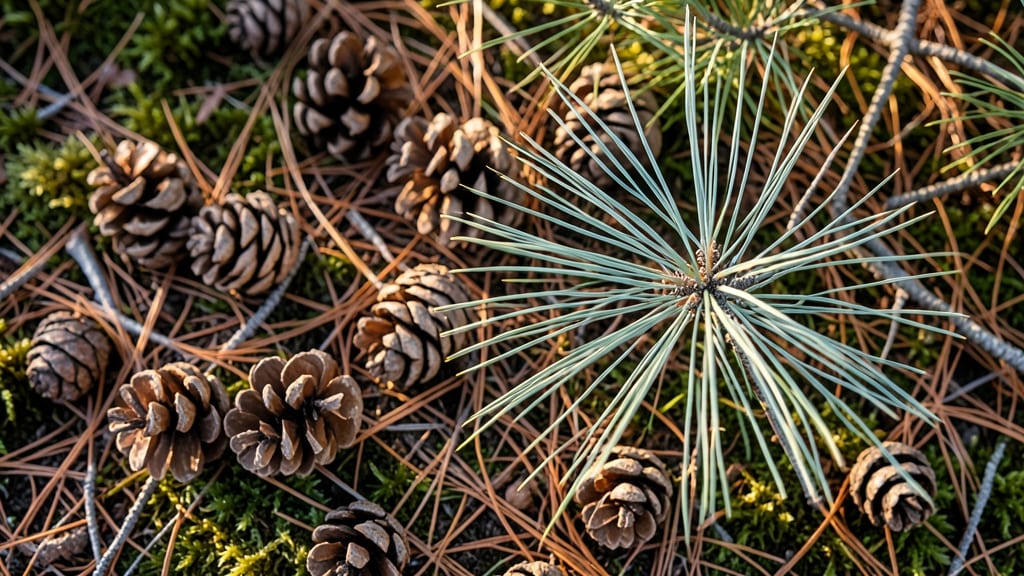
Ever held a pinecone and wondered which tree it came from? The answer lies in the needle arrangement—a telltale clue that varies dramatically between species. While pinecones themselves are iconic, their accompanying needles hold the real secret to identification.
Take the white pine, for example, with its clusters of five slender needles that fan out like a hand. In contrast, the ponderosa pine boasts three long, stiff needles that can reach 12 inches—nearly as long as your hand. Even the loblolly pine has its own signature: three needles in a bundle, but shorter and softer than ponderosa. These needle groupings pair perfectly with their corresponding pinecones.
This needle-pinecone combo is your shortcut to identifying pine species in the wild. Perfect for hikers, foresters, or anyone who loves a good nature puzzle! 🌟
Elm Winged Seed Pods with Uneven Wings
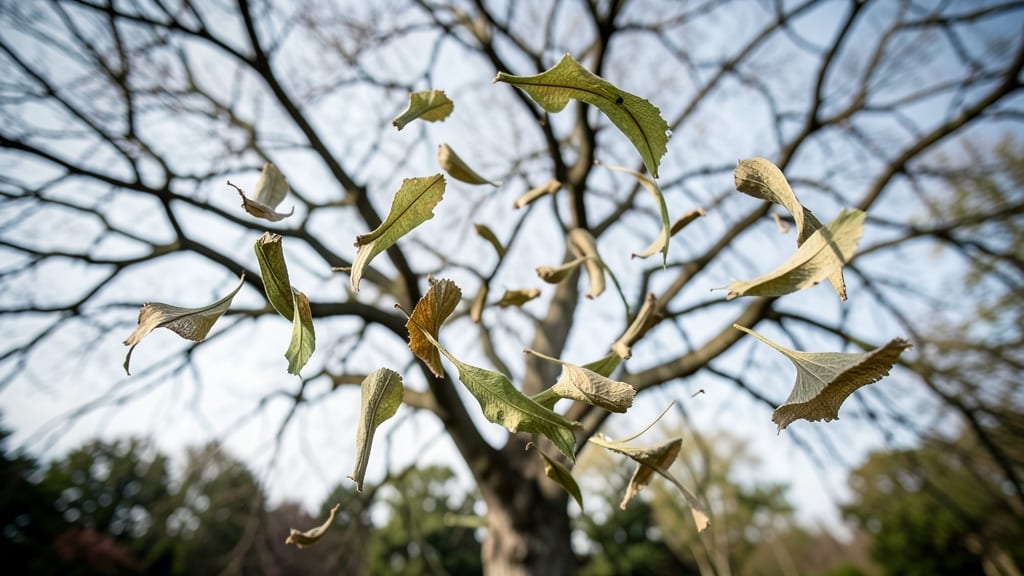
Watch the wind and you’ll spot elm seed pods instantly—their uneven wings create a chaotic, fluttering dance unlike any other samara. Unlike maple’s perfect helicopter blades, these wings are asymmetrical, causing them to tumble unpredictably as they fall, a quirky trait that makes identification effortless once you know what to look for.
These asymmetrical samaras belong to American elm or slippery elm trees, both native to North America. The pods mature in late summer, turning from green to brown as they detach. Look for the distinctive wing shape—one side longer than the other—which helps them spin erratically in the breeze, aiding seed dispersal. This irregularity is your key clue!
For urban gardeners or forest walkers, this pod is a great field marker for identifying elms, which often thrive in city parks and along streets. Just watch for the pods’ wild, tumbling flight—it’s nature’s way of saying, “This is an elm!” 🌟
Birch Papery Seed Pods with Exfoliating Bark
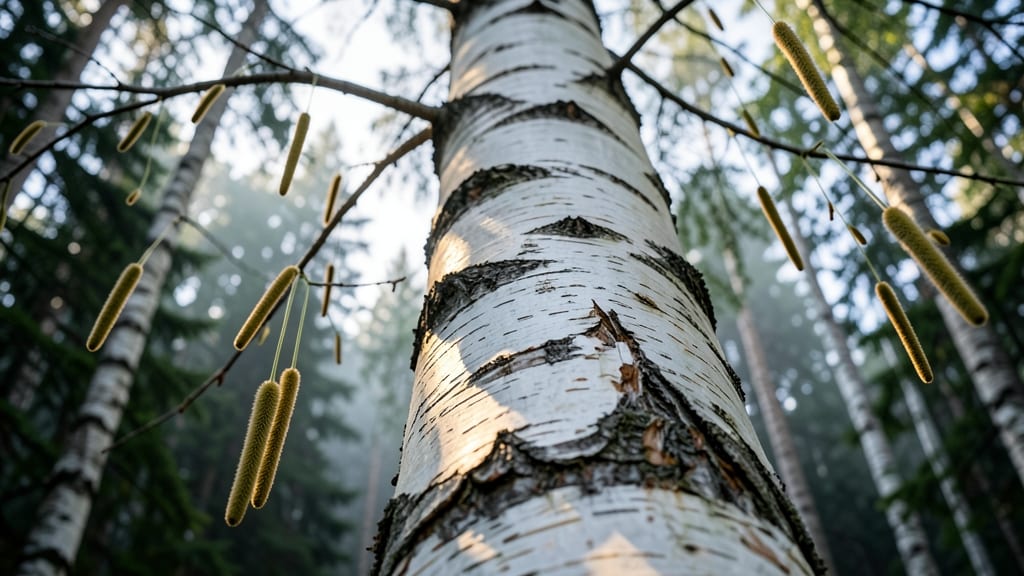
If you've ever wandered through a northern forest and spotted trees with peeling white bark that looks like layers of paper, you've likely encountered birch. Their papery seed pods—called catkins—are another dead giveaway, dangling like tiny, delicate lanterns from the branches.
Birch seed pods form in early spring as slender, green catkins that turn brown and papery as they mature. The tree's signature exfoliating bark (especially in species like paper birch) peels away in horizontal strips, revealing a creamy-white underlayer. These features make birch trees stand out in mixed forests. Look for them in moist, well-drained soils where they thrive in partial shade to full sun.
These trees are a favorite among foragers and nature lovers—young birch bark was even used historically for canoes! Their distinctive pods and bark make them a great study subject for beginners learning to identify native species. 🌿
Oak Acorn Cup Variations
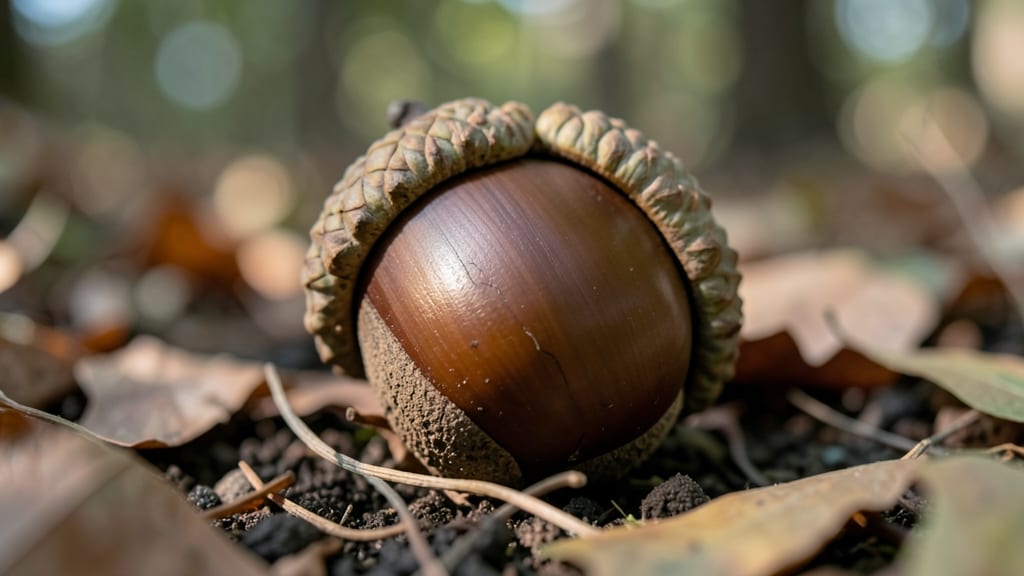
Want to tell a white oak from a red oak without climbing a tree? Look at the acorn cup—the shallow, bowl-like cap reveals the species faster than leaf shape ever could. This subtle but critical detail separates dozens of oak varieties in North American forests.
The white oak acorn cup is deep and enclosed, protecting the nut like a snug helmet, while the red oak cup is shallow and saucer-shaped. Bur oak cups have distinct ridges, and pin oak cups are nearly flat with tiny hairs. These variations help wildlife identify edible acorns and even hint at the tree's age and health.
For foresters, hikers, or anyone curious about local ecosystems, mastering acorn cup shapes unlocks a whole new layer of tree identification. Grab a handful of acorns on your next walk—you’ll spot the differences in minutes! 🌟
Hickory Shaggy Seed Pods
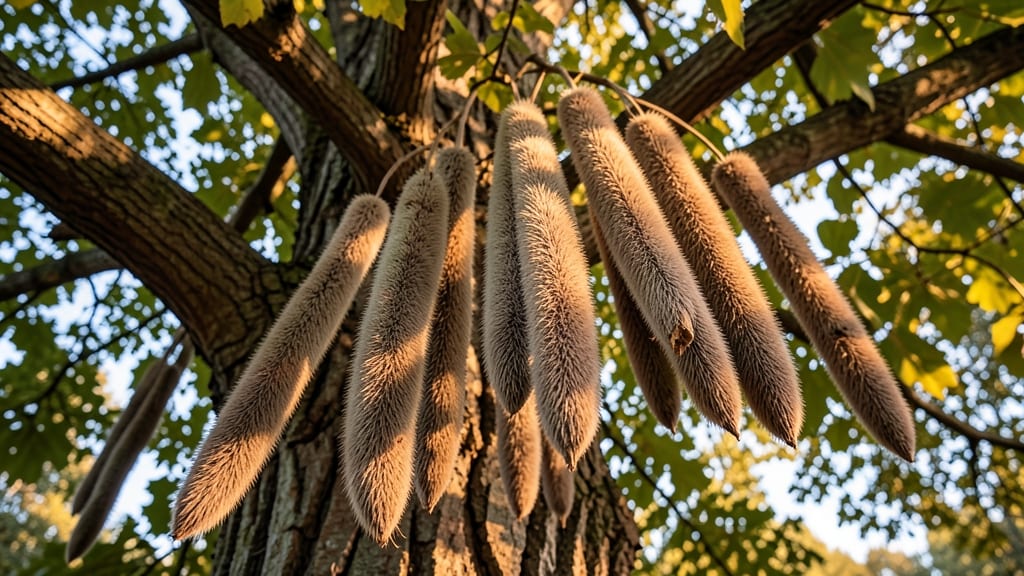
If you’ve ever spotted elongated, fuzzy seed pods dangling from a tree and wondered if it’s a hickory or a walnut, you’re not alone. These shaggy seed pods are one of nature’s most distinctive clues—and they’re often mistaken for their smoother walnut cousins.
The key to identifying hickory seed pods lies in their hairy texture and clustered arrangement. Unlike walnuts, which have smooth, rounded shells, hickory pods are covered in soft, shaggy hairs and grow in tight groups along the branch. Pair this with the tree’s compound leaves (7-9 leaflets) to confirm your find. These pods typically mature in late summer to fall, making autumn the perfect time to spot them.
For forest walkers and gardeners, mastering this identification helps distinguish hickory trees from walnut trees—both valuable for wildlife and woodworking. Keep an eye out for these fuzzy clusters in wooded areas! 🌿
Ash Samaras with Twisted Wings
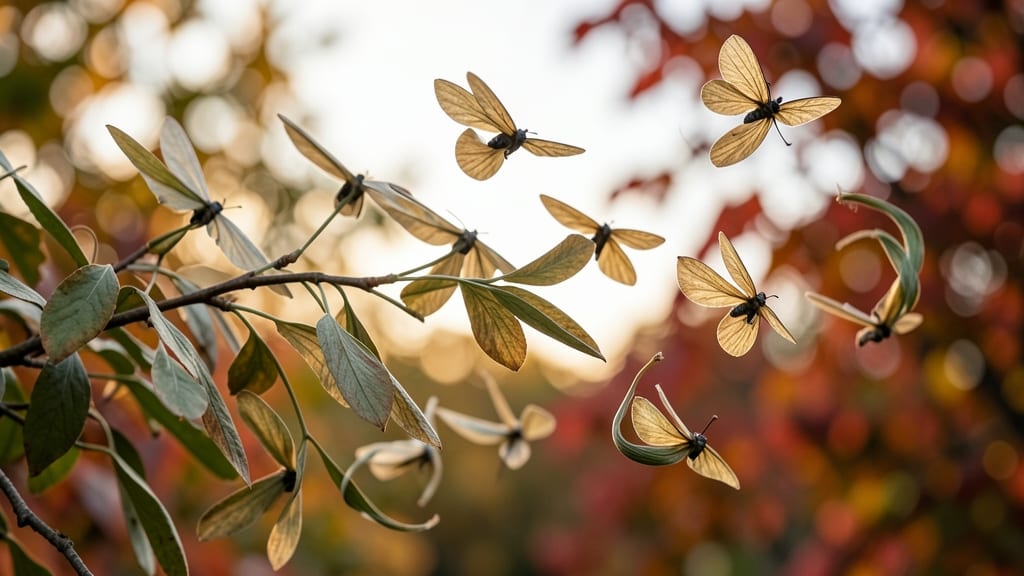
Watch these ash samaras spin like tiny helicopters—but with a twist! Unlike maple's symmetrical wings, ash samaras have twisted compound wings that create unpredictable, corkscrew flight patterns, making them instantly recognizable in autumn winds.
These dual-winged samaras grow in clusters along the tree's branches, each pair connected by a central stem. The wings aren't flat like maple's; they're tapered and asymmetrical, causing them to wobble as they fall. Look for compound samaras (two seeds joined by one wing) as your key identifier—no other winged seed behaves quite like this.
Forest enthusiasts and urban gardeners will love this trick: collect a few and drop them from a height to observe their unique spinning descent. It's a fun way to distinguish ash trees from similar species like elm or maple. 🌟
Beech Spiny Seed Pods
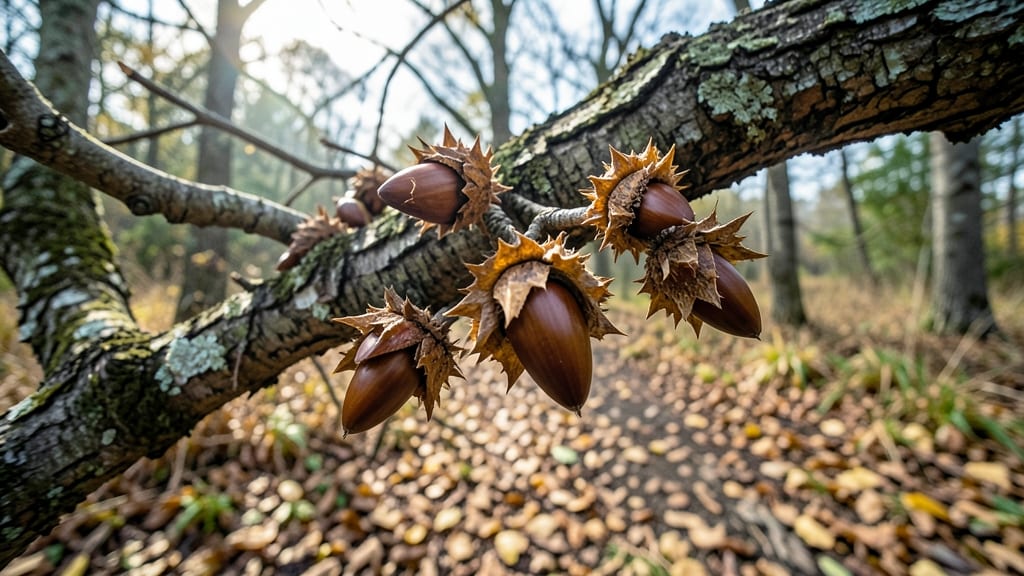
If you’ve ever wandered through an eastern forest and spotted triangular nuts nestled inside spiky, chestnut-like husks, you’ve likely encountered a beech tree in its seed pod form. Unlike other seed pods that flutter away or drop cleanly, beech pods cling to branches until winter, offering a year-round identification clue.
The spiny husks (called burrs) are the key identifier—each one splits open in autumn to reveal two glossy, triangular nuts inside. These pods thrive in moist, well-drained soil and are commonly found in parks, woodlands, and along streams. Look for them clustered at the tips of branches, where they create a striking contrast against the tree’s smooth, gray bark.
Perfect for beginner tree identifiers, beech seed pods are a great addition to your reference collection. Their durability and distinctive shape make them easier to spot than many other tree seeds, even in mixed forests. 🌿
Willow Fluffy Seed Catkins

If you've ever spotted cotton-like puffs drifting near streams or ponds, you're likely looking at willow seed catkins—nature's softest seed pods. Unlike other seed pods, these fuzzy clusters resemble dandelion seeds and are a dead giveaway for identifying willow trees, especially in wetland areas.
Willow catkins form in late spring, releasing thousands of tiny, fluffy seeds carried by the wind. These seeds thrive in moist soil, making willows perfect for stabilizing riverbanks or adding texture to water gardens. Look for their long, slender branches and narrow leaves to confirm the tree's identity.
Perfect for gardeners near ponds or streams, willows also attract pollinators and provide year-round interest with their graceful form. 🌱