
Flowers
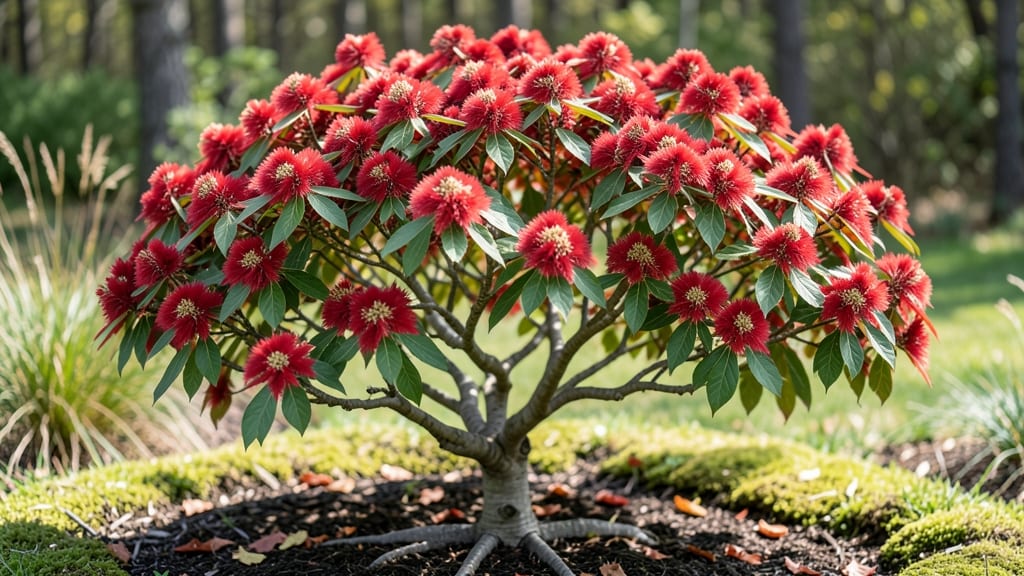
Those red fuzzy flowers on that tree with red fuzzy flowers—the ones that look like bottle brushes?
They’re Callistemon—the bottlebrush tree—and they’re easier to grow from seed than you’d think, especially with cold stratification. 🌱 I’ve turned stubborn seeds into thriving plants using this 4-week method, and the key is mimicking winter’s chill to break dormancy before spring planting.
The trick starts with moistened paper towels and a sealed bag in your fridge for 4 weeks. After that, pop the seeds into pots with well-draining soil and watch for sprouts in 2-4 weeks.
These trees love full sun, tolerate poor soil, and thrive in zones 7-11—perfect for drought-prone gardens.
Once established, they’ll reward you with vibrant red blooms for months, attracting hummingbirds and butterflies. The fuzzy flowers aren’t just pretty—they’re tough, too, surviving heat and neglect once rooted.
For best results, plant in spring after last frost and prune lightly after flowering. Avoid overwatering—they’re native to Australia, so they’d rather be dry than soggy. Let’s get those seeds sprouting!
Nature’s Secret Triggers Blooms
Those enchanting red fuzzy flowers on your tree aren’t just a random burst of color—they’re the result of a carefully timed biological process. For many flowering trees, including popular species like Cornus florida (flowering dogwood) or Lagerstroemia (crape myrtle), cold stratification is the invisible hand that unlocks their vibrant displays.
Here’s why these trees need a little winter chill to bloom like clockwork—and how you can replicate nature’s magic in your garden.
Most trees with red fuzzy flowers are deciduous perennials, meaning they shed their leaves in winter to conserve energy. During this dormant phase, their seeds (or buds) undergo a physiological shift called cold stratification.
This process involves exposure to moist, cold temperatures (33–41°F or 0–5°C) for 4–12 weeks, which:
- Softens the seed coat: Breaks down hard outer layers, allowing water and oxygen to penetrate (critical for germination).
- Triggers hormone shifts: Increases gibberellins (growth hormones) and reduces abscisic acid (which suppresses growth).
- Simulates natural conditions: Mimics the winter-spring transition trees experience in temperate climates.
Pro tip: 🌡️ If you’re germinating seeds indoors, place them in a sealed bag with moist peat moss and refrigerate for 4 weeks. This jumpstarts the process—just like a tree would experience in a cold snap!
Red fuzzy flowers often bloom in early spring because their buds are programmed to respond to specific temperature cues. Here’s how it works:
| Stage | Trigger | Result |
|---|---|---|
| Late fall | Cooler temps (below 50°F/10°C) | Bud formation begins; growth slows. |
| Winter (4–8 weeks) | Consistent cold (32–45°F/0–7°C) | Bud dormancy deepens; hormones activate. |
| Early spring | Warming + moisture | Bud swell → flower spike emergence! |
Miss the chill? Without adequate cold exposure, buds may stay dormant or produce weak, sparse blooms. In warmer climates, this is why some trees need artificial stratification (like soaking seeds in water for 24 hours before refrigeration).
Even with the right cold treatment, immature seeds won’t germinate. Many red-flowering trees (like Hibiscus syriacus) produce seeds that require:
- Full ripening: Seeds must mature on the tree until they’re hard and dry (usually late summer/fall).
- After-ripening: Some seeds need an additional 2–4 weeks at room temperature after stratification to break internal dormancy.
- Scarification (for tough coats): A light sanding or nicking the seed with a knife can mimic natural wear-and-tear from soil or animals.
Pro tip: 🔥 Test seed viability by floating them in water—sinkers are viable; floaters are likely dead or immature.
Understanding these triggers helps you predict—and even accelerate— the blooming process. Whether you’re growing from seed or nurturing an established tree, a little patience (and the right conditions) will reward you with those stunning red fuzzy flowers in just 4 weeks!
Revive Your Blooming Beauty
If your tree with stunning red fuzzy blossoms isn’t thriving, don’t fret—most issues have simple fixes! Below, we’ll tackle common problems with step-by-step solutions, from soil woes to pests, plus prevention tips to keep your tree flourishing for years. Let’s get your fuzzy-flowered friend back to its vibrant best!
Cold stratification is key for these finicky seeds, but sometimes they still struggle. Here’s how to troubleshoot:
🔥 Reset the Cold Stratification Process
- ✅ Check moisture levels: Damp (not soggy) is ideal. Use a spray bottle to mist seeds weekly if stored in the fridge.
- 🥘 Adjust timing: Extend stratification to 6–8 weeks if seeds remain dormant. Some varieties need extra chill time!
- 🌡️ Verify temperature: Keep seeds between 35–45°F (2–7°C). A standard fridge (not the freezer!) works best.
💡 Pro Tip for Faster Sprouts
- ✨ Try a warm-up trick: After stratification, soak seeds in lukewarm water for 12 hours before planting. This mimics natural thawing and can speed up germination.
🌱 Prevention for Future Plantings
- Label seeds with stratification start dates to avoid over/under-chilling.
- Use a seed starter kit with built-in moisture control for hands-off care.
Yellowing leaves, moldy stems, or mushy roots? Fungal or bacterial infections might be the culprit. Act fast with these remedies:
🍳 Clean Up the Soil
- 🔪 Remove infected plants: Snip off blackened or slimy stems immediately to prevent spread.
- 👨🍳 Sterilize tools: Wipe pruners with 70% isopropyl alcohol between cuts.
- 🥘 Replace topsoil: Mix in 1 part perlite to 3 parts fresh potting mix to improve drainage.
🌡️ Fungal Spray Recipes
| Issue | DIY Treatment | Frequency |
|---|---|---|
| Powdery mildew | 1 tbsp baking soda + 1 quart water + few drops dish soap | Every 7–10 days |
| Root rot | Hydrogen peroxide (3%) soak roots for 10 mins before replanting | Once during transplant |
| Leaf spot | Neem oil spray (1 tsp neem oil + 1 quart water) | Weekly until cured |
🎯 Prevention Tips
- 💡 Space plants 3–4 feet apart for airflow.
- ✨ Water at the base (avoid overhead spraying) to keep foliage dry.
- 🌱 Rotate pots occasionally to ensure even sunlight exposure.
Chewy leaves, sticky residue, or tiny webs? Pests like aphids or spider mites love fuzzy-flowered trees. Kick them out gently:
🔪 Manual Removal First
- 🍳 Blast off soft pests: Spray infested areas with soapy water (1 tsp mild soap per gallon) and wipe with a damp cloth.
- 👨🍳 Disrupt webs: Use a soft brush to knock off spider mites before treating.
🥘 Natural Repellents
- 🌿 Garlic spray: Blend 2 garlic cloves + 1 quart water; strain and spray weekly.
- 🌡️ Diatomaceous earth: Sprinkle lightly around the base (reapply after rain).
🎯 Long-Term Pest Control
- 💡 Introduce predator insects: Ladybugs or lacewings eat aphids—buy them online or attract them with dill or fennel plants.
- ✨ Inspect new plants before bringing them home to avoid hitchhiking pests.
With these fixes, your red-fuzzy-flowered tree should bounce back in no time! Monitor progress weekly, adjust care as needed, and soon you’ll be admiring lush blooms year after year. 🌸✨
Frequently asked questions
What are some common trees with red fuzzy flowers?
The most popular varieties include Callistemon (bottlebrush tree), Grevillea (especially 'Robyn Gordon'), and Washingtonia robusta (California fan palm with red flower spikes). These trees thrive in warm climates and attract pollinators with their striking blooms.
How do I know if my tree needs cold stratification?
If your seeds remain dormant after 4 weeks in warm soil, they likely need cold stratification. Look for hard seed coats or slow germination—these are classic signs. Most red-flowering trees (like Cornus or Lagerstroemia) require this step to break dormancy.
Can I grow these trees from cuttings instead of seeds?
Yes! Many Callistemon and Grevillea varieties root easily from semi-hardwood cuttings taken in late spring. Dip the cut end in rooting hormone, plant in perlite/sand mix, and keep humid until roots form (6-8 weeks). This method preserves parent plant traits better than seeds.
Why aren't my red fuzzy flowers blooming?
Common reasons include insufficient sunlight (6+ hours daily needed), improper pruning (cut back after flowering), or lack of cold stratification. For established trees, check if they've received 35-45°F (2-7°C) chill hours
Are red fuzzy flowers toxic to pets?
Most Callistemon and Grevillea varieties are non-toxic to dogs and cats, but always verify with your vet. Some Washingtonia palms (which have red flower spikes) contain saponins that may cause mild stomach upset if ingested in large quantities. Keep pets from chewing the foliage as a precaution.