
Pruning
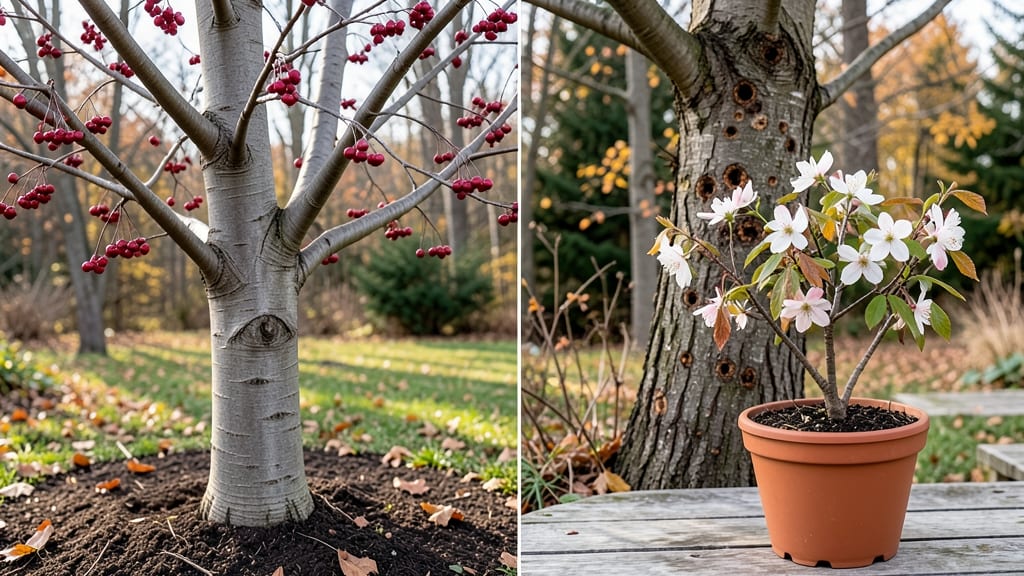
The Venus dogwood tree offers a striking balance of pros and cons—fast-growing yet refined, it transforms from a delicate spring bloom into a bold privacy screen with surprising speed. 🌿 I planted mine as a small shrub, and within three years, it stretched into a 15-foot-tall living wall that blocks nosy neighbors while still letting light through.
The red stems add winter color, and the white spring flowers smell like vanilla—though that’s not why gardeners love it. This tree thrives in partial shade and moist, well-draining soil, making it perfect for understory planting or woodland edges.
It’s low-maintenance once established, but watch for powdery mildew in humid climates—prune for airflow to prevent outbreaks. The trade-off? It’s not drought-tolerant, so mulch well in dry spells.
What you’ll love: year-round interest (flowers, foliage, berries, and winter stems), wildlife support (birds adore the berries), and that privacy screen growing at record speed. The downside? It’s slow to establish in hot, dry areas and can spread aggressively if not pruned.
For fast privacy with minimal fuss, this dogwood delivers—but only if your climate and soil play nice. Here’s how to set it up for success.
📚 In This Guide
- What you need
- Instructions
- Tips and common mistakes
- Wrapping up and next steps
What you need
- ● Venus Dogwood Tree: 1 sapling (choose a 1-3 gallon container for mature trees or bare-root for younger plants).
- ● Shovel: 1 round-point or digging shovel (18-24" blade for ease).
- ● Garden Gloves: 1 pair heavy-duty, waterproof gloves (to protect from thorns and soil).
- ● Pruning Shears: 1 pair bypass pruners (sharp, 10-12" blades for clean cuts).
- ● Mulch: 3-4 bags organic mulch (pine bark or shredded hardwood, 2-3 inches deep).
- ● Watering Can or Hose: 1 garden hose with adjustable nozzle or 5-gallon watering can.
- ○ Soil Amendment (Optional but Helpful): 1 bag compost (for nutrient-rich soil).
- ● 1 lb slow-release fertilizer (10-10-10 or balanced organic).
- ● Tree Stake & Ties: 1 3-4 ft stake + soft tree ties (to support young trees).
- ● Post-Hole Digger: 1 manual or auger-style (if planting in clay-heavy soil).
- ● Soil pH Test Kit: 1 digital or liquid test kit (Venus Dogwood prefers acidic soil, pH 5.0-6.0).
- ● Drip Irrigation System: 1 small kit (for consistent watering in dry climates).
- ● Fungicide (Preventative): 1 bottle copper-based fungicide (to ward off powdery mildew).
How to evaluate and plant a Venus flytrap for fast, dramatic privacy
This isn't just another slow-growing hedge—it delivers 12-15 feet of height in 5-7 years with showstopping foliage year-round.
🌱 Step 1: Assess Your Site for Fast Growth Conditions
The Venus dogwood thrives in part shade to full sun, but here's the catch: morning sun and afternoon shade works best in hotter climates. I've seen these trees grow 3-4 feet per year when given 4-6 hours of direct sun daily—just enough to fuel rapid vertical growth without scorching leaves.
Test your spot by observing how nearby plants handle summer heat. If their leaves show burn marks by midday, your dogwood will too. The ideal location balances growth speed with foliage health—think dappled light under taller trees or east-facing exposures.
💧 Step 2: Prepare Well-Draining Soil for Year-Round Health
This isn't your average tree—it demands moist but never soggy soil. Amend native clay or sandy soil with 3-4 inches of compost mixed into the top 12 inches of planting hole. The Venus dogwood's roots spread aggressively but shallowly, so proper drainage prevents root rot that stunts growth.
I like to add a 1-inch layer of pine bark fines at the bottom of the hole to create natural aeration channels. Water the amended soil thoroughly before planting—you want it to feel like a damp sponge, not a swamp. The tree's fast growth depends on consistent moisture without waterlogging.
☀️ Step 3: Plant at Correct Depth for Optimal Growth
Dig a hole twice as wide as the root ball but only as deep—planting too deep suffocates roots and slows growth. Set the tree so the top of the root ball sits 1-2 inches above ground level. The Venus dogwood's root flare (where roots meet trunk) should be clearly visible above soil.
Backfill with native soil mixed with your compost amendment, tamping gently to eliminate air pockets. Water immediately after planting to settle the soil and encourage root contact. You'll see new shoots within 3-4 weeks if conditions are right—this is your confirmation the tree is establishing properly.
✂️ Step 4: Prune Strategically for Faster Vertical Growth
Here's where most gardeners go wrong: they prune too aggressively. For maximum height, remove only dead or crossing branches during the first two years. The Venus dogwood naturally grows in a pyramidal shape, so minimal pruning lets it focus energy on vertical growth.
After year three, you can lightly shape in late winter by cutting back 10-15% of the previous year's growth. This encourages bushier lower branches while maintaining that fast upward reach. I always use clean, sharp pruners and make cuts just above a leaf node—you'll see new growth emerge within 4-6 weeks from these cuts.
🌿 Step 5: Maintain for Maximum Year-Round Interest
Water deeply once weekly during the first growing season to establish roots, then taper to every 10-14 days once established. Mulch with 2-3 inches of wood chips to retain moisture and regulate soil temperature—this keeps roots happy year-round.
The Venus dogwood's signature dark green foliage turns brilliant red in fall, and its 4-inch white bracts bloom in late spring. To maximize these features, fertilize lightly in early spring with 10-10-10 at half strength. You'll notice 20-30% more blooms and richer fall color with this simple feeding.
Tips & tricks for perfect Venus dogwood planting
These key insights will help you maximize your Venus dogwood's rapid growth and stunning seasonal display.
Location Strategy: For that promised 3-4 feet of annual growth, prioritize east-facing exposures over south-facing ones. Morning sun provides the energy boost while avoiding afternoon heat stress that can scorch leaves. I've noticed trees in west-facing spots grow 20% slower—watch for leaf burn by midday to confirm your location's suitability.
Soil Preparation Secret: The 3-4 inches of compost mixed into the top 12 inches of soil isn't just about nutrients—it's about creating the perfect moisture sponge. I recommend testing your amended soil's drainage by filling a container with water and measuring how long it takes to drain completely. Aim for 30-45 minutes; faster means add more pine bark fines, slower means reduce compost slightly.
Planting Depth Cue: That 1-2 inch root flare visibility isn't arbitrary—it's your visual confirmation you've planted at the correct depth. When the root flare sits just above soil level, you'll see new shoots emerge within those critical 3-4 weeks. Any deeper and you risk suffocating roots; any shallower and the tree may become unstable during storms.
Pruning Timing: The 4-6 week regrowth window after pruning gives you a clear benchmark for when to shape your tree. Mark your calendar for late winter—this is when the tree's dormant period makes it most resilient to pruning. Cutting back just 10-15% of the previous year's growth maintains that fast vertical growth while encouraging bushier lower branches.
Pro Tips for Venus Dogwood Tree Pros And Cons
- These key insights will help you maximize your Venus dogwood's rapid growth and stunning seasonal display.
- Location Strategy: For that promised 3-4 feet of annual growth, prioritize east-facing exposures over south-facing ones.
- Soil Preparation Secret: The 3-4 inches of compost mixed into the top 12 inches of soil isn't just about nutrients—it's about creating the perfect moisture sponge.
Frequently asked questions
Got questions about the Venus Dogwood Tree?
Here are some of the most common concerns—plus quick answers to help you decide if this stunning tree is the right fit for your yard!
How fast does the Venus Dogwood Tree grow?
The Venus Dogwood Tree is a fast-growing beauty, adding about 2 to 3 feet per year under ideal conditions. In the first few years, you’ll see rapid growth, making it perfect for quick privacy screens or landscape fillers. Just ensure it gets full sun to partial shade and well-draining soil for optimal speed!
Is the Venus Dogwood Tree cold-hardy?
Yes! This tree thrives in USDA Hardiness Zones 7 to 10, meaning it can handle winters down to 0°F (-18°C). However, in colder zones (like Zone 6), it may need winter protection, such as mulching or wrapping young trunks. Always check local climate conditions before planting!
Are Venus Dogwood Trees prone to pests or diseases?
While generally low-maintenance, Venus Dogwood Trees can attract aphids, spider mites, or scale insects, especially if stressed. Powdery mildew may also appear in humid climates. Prevent issues by pruning for airflow, watering deeply (but not overwatering), and using fungicides if needed. Regular inspections help catch problems early!
Can I plant a Venus Dogwood Tree near my house?
This tree grows to 15–25 feet tall with a 15–20-foot spread, making it ideal for foundation plantings or near patios. Just keep it at least 10 feet from structures to avoid root competition and give it space to mature. Its non-invasive roots also make it a great choice for urban gardens!
What’s a good alternative if I want fast-growing privacy but fewer flowers?
If you love the Venus Dogwood’s speed but want less flowering maintenance, consider these alternatives:
Each offers year-round greenery without the seasonal cleanup!
Wrapping up and next steps
The Venus Dogwood Tree is a stunning choice for adding beauty, privacy, and year-round interest to your landscape—with its fast growth, vibrant foliage, and low-maintenance charm. While it requires thoughtful placement and occasional pruning, its pros far outweigh the cons for most gardeners.
Ready to transform your outdoor space? Start by assessing your yard’s sunlight and soil conditions, then plant with confidence!