
Pruning
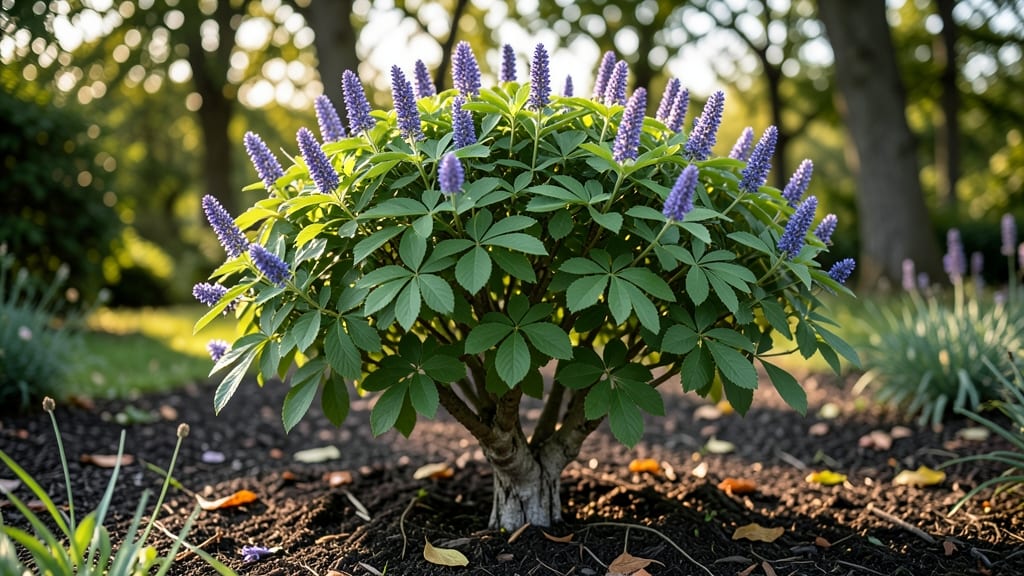
Your vitex tree thrives best in USDA zones 5-9, where it transforms from a delicate sapling into a fragrant, drought-resistant powerhouse that hums with butterflies year-round. 🌿 I learned the hard way—planting mine in zone 6 without winter prep meant shredded leaves by February.
The secret isn’t just the zone; it’s understanding how vitex handles your local frost patterns, soil, and sunlight. In cooler zones (5-6), protect young trees with burlap wraps or mulch to shield roots from sudden freezes.
Warmer zones (7-9) let vitex grow wild, but even there, late-winter pruning keeps it lush and flowering. The tree craves full sun and well-draining soil—soggy roots mean trouble, no matter the zone.
By summer, your vitex will reward you with lavender-blue blooms and glossy foliage that smells like a summer breeze. The pruning schedule shifts with your climate: aggressive cuts in spring for zones 7-9, minimal trimming in zones 5-6 until after frost danger passes.
Whether you’re in the Deep South or a northern suburb, vitex adapts—just tweak your approach. Here’s how to keep yours thriving no matter where you garden.
📚 In This Guide
- What you need
- Instructions
- Tips and common mistakes
- Wrapping up and next steps
What you need
- ● Pruning shears: Sharp, bypass-style shears (for clean cuts on small branches). Quantity: 1 pair.
- ● Loppers: For thicker branches (½" to 1.5" diameter). Quantity: 1 pair.
- ● Pruning saw: Heavy-duty saw for branches over 1.5" in diameter. Quantity: 1.
- ● Disinfectant: 70% isopropyl alcohol or a pruning sealant (to prevent disease spread). Quantity: Small bottle.
- ● Gloves: Heavy-duty gardening gloves (protection from thorns and sap). Quantity: 1 pair.
- ○ Safety goggles: Optional but recommended for debris protection.
- ● Pruning paint/sealant: For sealing large cuts (reduces sap loss and disease risk).
- ● Ladder or step stool: If your Vitex is tall (6+ feet).
- ● Trash bags: For collecting pruned branches and debris.
- ● Notebook & pen: To jot down pruning notes (e.g., branch locations, growth patterns).
- ● Know your Vitex’s zone: Confirm your USDA Hardiness Zone (Vitex thrives in Zones 7-11).
- ● Timing: Prune in late winter/early spring (before new growth) or summer (after flowering).
- ● Weather check: Choose a dry, overcast day to avoid stressing the tree.
How to prune a vitex tree for lush, year-round growth
Here’s my go-to pruning system that keeps vitex trees thriving with vibrant blooms and strong structure.
✂️ Step 1: Time Your Pruning for Maximum Bloom
Prune vitex late winter to early spring, just as new growth begins but before buds swell. This timing ensures you remove dead wood while encouraging fresh spring foliage and summer flowers. I always schedule it right after the last frost date in my zone—usually February or March—but never after buds appear, or you’ll sacrifice blooms.
If your tree blooms prolifically, you can do a light post-bloom trim in late summer to shape it and promote next year’s flowers. Just avoid heavy cuts after July 1st—new growth won’t harden off before winter, and cold damage will weaken the tree.
✂️ Step 2: Remove Dead, Diseased, or Weak Wood
Start by inspecting the tree for dead branches—they’ll be dry, brittle, and snap easily when bent. Use clean, sharp pruners to make a 45-degree cut just outside the branch collar (the swollen area where the branch meets the trunk). Never leave stubs, or they’ll invite rot or pests.
Next, look for crossing or rubbing branches—these create wounds that weaken the tree. Remove one of the branches entirely, cutting back to a healthy lateral branch or the trunk. I always prune the smaller of the two branches to maintain the tree’s natural shape.
✂️ Step 3: Thin Out for Airflow and Light
Vitex trees grow dense, so thinning is key to preventing fungal issues and encouraging strong, even growth. Focus on removing up to 25% of the canopy—never more, or you’ll shock the tree. Start at the center and work outward, cutting back branches that grow inward or block sunlight from reaching the interior.
Watch for water sprouts (fast-growing, vertical shoots) and remove them entirely. These saplings steal energy from the main structure. Use your pruners to cut them at the base, and compost them—don’t leave them on the ground, as they’ll regrow.
✂️ Step 4: Shape for Balance and Structure
Step back and assess the tree’s shape. Vitex responds well to open-center pruning, so aim for a rounded, vase-like form. Cut back the longest branches to encourage lateral growth, and shorten overlong limbs by one-third to stimulate bushier foliage.
If your tree leans heavily in one direction, prune the longer side slightly more to restore balance. Avoid heavy cuts on one side—this can cause uneven regrowth. After shaping, wipe down your pruners with rubbing alcohol to prevent spreading disease between cuts.
🌿 Step 5: Clean Up and Mulch for Recovery
Rake up all pruned debris and dispose of it—don’t leave branches on the ground, as they can harbor pests or disease. Now’s the time to apply 2-3 inches of mulch around the base (but keep it 6 inches away from the trunk to prevent rot). I use shredded bark mulch because it retains moisture while improving soil structure over time.
Water deeply after pruning to help the tree recover. You’ll see new growth within 4-6 weeks, signaling the tree is healing well. If you notice yellowing leaves or slow regrowth, your cuts may have been too aggressive—scale back next time.
Tips & tricks for pruning vitex trees
Here’s what I’ve learned from years of pruning vitex—simple tricks that’ll keep your tree thriving.
Timing is Everything: Mark your calendar for that late winter to early spring window—right after your last frost date but before buds swell. I’ve seen firsthand how pruning too late can cut off next year’s blooms. For prolific bloomers, that light summer trim after July 1st is your secret weapon for next season’s flowers.
Clean Cuts Make All the Difference: Your pruners are your most important tool—keep them razor sharp and sterilized with rubbing alcohol between cuts. That 45-degree angle just outside the branch collar isn’t just a suggestion; it’s how you prevent those ugly stubs that invite disease. I’ve had to replace pruners that weren’t sharp enough to make clean cuts.
The 25% Rule for Thinning: When you’re removing up to 25% of the canopy, think of it like a haircut—you wouldn’t cut off half your hair at once! Start at the center and work outward, focusing on those inward-growing branches that block sunlight. Water sprouts? Cut them at the base—no mercy, they’re energy vampires.
Mulch Like a Pro: That 2-3 inches of shredded bark mulch isn’t just decoration—it’s your tree’s recovery blanket. Keep it 6 inches away from the trunk to prevent rot, and water deeply after pruning. You’ll see new growth in 4-6 weeks if you’ve done it right. I’ve seen trees recover from aggressive pruning when given this proper aftercare.
Pro Tips for Vitex Tree Zone
- Here’s what I’ve learned from years of pruning vitex—simple tricks that’ll keep your tree thriving.
- Timing is Everything: Mark your calendar for that late winter to early spring window—right after your last frost date but before buds swell.
- Clean Cuts Make All the Difference: Your pruners are your most important tool—keep them razor sharp and sterilized with rubbing alcohol between cuts.
Frequently asked questions
Got questions about keeping your vitex tree thriving?
Here are answers to the most common concerns—from pruning timing to troubleshooting—so you can maintain a healthy, beautiful tree year-round.
What’s the best time of year to prune a vitex tree?
The ideal time is late winter or early spring (before new growth starts). This helps shape the tree while avoiding summer stress. Avoid heavy pruning in fall, as it can stunt winter hardiness. For minor shaping, light pruning in summer is fine, but keep it to no more than 25% of the foliage.
How do I know if I’m over-pruning my vitex tree?
Watch for these red flags: stunted growth, bare branches, or yellowing leaves. If you’ve removed more than one-third of the tree’s canopy in a single session, you’re likely overdoing it. Vitex is resilient but thrives with moderate, strategic cuts—think of it like a haircut, not a buzz cut!
Can I prune vitex for hedges, or does it need a different approach?
Vitex is perfect for hedges—just prune it regularly (every 4–6 weeks) to encourage dense growth. Use sharp shears to trim just above a leaf node, and avoid cutting into old wood. For a formal look, shape it like a topiary; for a natural style, let it grow slightly wild with occasional trims.
My vitex leaves are turning brown—did I prune it wrong?
Brown leaves can signal over-pruning, under-watering, or pest stress. First, check for powdery mildew or spider mites (common after heavy pruning). If the tree is otherwise healthy, it’s likely seasonal stress—vitex often drops older leaves in late summer. Water deeply and avoid pruning until spring. Pro tip: Fertilize in early spring to boost recovery.
Are there vitex alternatives if mine struggles in my hardiness zone?
If your zone is too cold (below 6a) or too hot/dry, consider these low-maintenance alternatives:
- Texas Sage (Leucophyllum frutesens) – Drought-tolerant, purple blooms, zones 7–11.
- Olive Tree (Olea europaea) – Hardy to zone 7, silvery foliage, minimal pruning.
- Forsythia (Forsythia × intermedia) – Zones 5–8, bright yellow spring blooms, easy pruning.
Wrapping up and next steps
Pruning your vitex tree isn’t just about keeping it tidy—it’s the secret to unlocking its full potential for year-round health, vibrant blooms, and lush foliage. 🌿 Whether you’re trimming for shape, encouraging new growth, or managing pests, the right techniques will reward you with a thriving, resilient tree.
Now that you’re armed with expert tips and answers to common questions, roll up your sleeves and get pruning!
Ready to take the next step? Mark your calendar for your first pruning session—spring or early summer is prime time—and watch your vitex tree flourish like never before. Happy gardening! 🌟