
Pruning
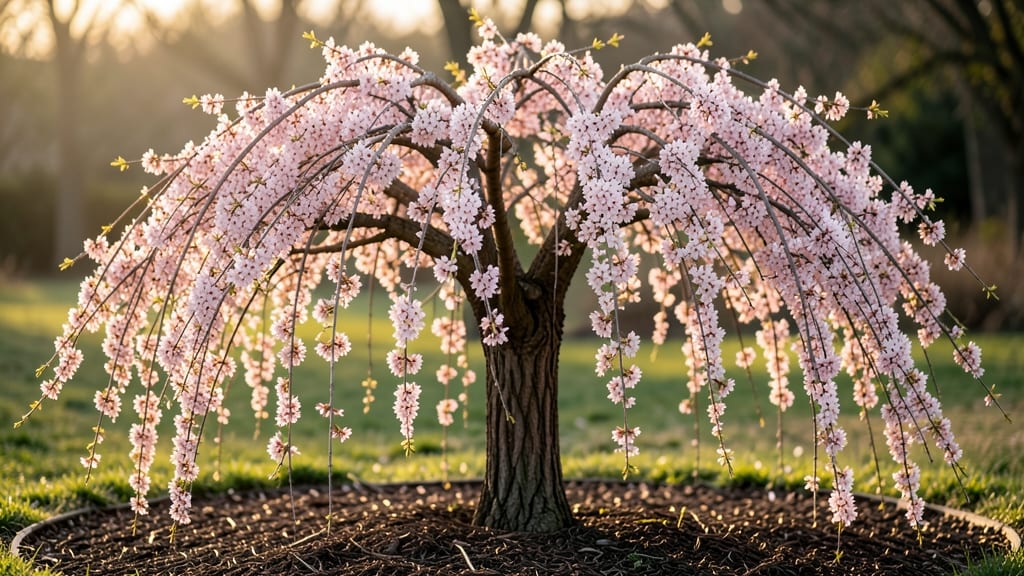
Mature size of Weeping Yoshino cherry trees: height, spread & growth rate
The Weeping Yoshino cherry tree (Prunus × yedoensis) is a stunning ornamental tree prized for its cascading branches and delicate blossoms. When planning your landscape, knowing its mature dimensions is crucial to avoid overcrowding or planting in unsuitable spaces.
This tree typically reaches 15 to 25 feet tall at maturity, with a spread of 15 to 20 feet, though some cultivars like 'Pendula' may grow slightly wider. Understanding these specifics ensures your tree has room to thrive while complementing your garden design.
Growth rates vary by cultivar and growing conditions, but most Weeping Yoshino trees grow 12 to 24 inches per year during their first decade. After reaching maturity, growth slows significantly, making long-term planning easier.
For example, a 10-year-old tree might stand around 10 to 15 feet tall, while a 20-year-old specimen could easily exceed 20 feet. This gradual growth pattern makes it ideal for both small urban yards and larger rural landscapes.
| Cultivar | Mature Height | Mature Spread | Growth Rate (Annual) | Best For |
|---|---|---|---|---|
| 'Pendula' | 15–20 ft | 15–20 ft | 12–24 in | Urban gardens, small yards |
| 'Akebono' | 20–25 ft | 18–22 ft | 18–30 in | Large landscapes, parks |
| Standard Yoshino | 25–35 ft | 20–25 ft | 12–24 in | Rural properties, large estates |
The Weeping Yoshino cherry tree thrives in full sun and well-draining soil, which directly impacts its growth rate. In ideal conditions, you can expect faster growth during its first 5 to 10 years, especially if planted in USDA Zones 5–8.
However, urban planting often requires careful consideration of space constraints. For example, planting near a 20-foot fence may limit the tree’s spread, while rural settings allow for its full canopy potential.
When planning for urban environments, opt for the 'Pendula' cultivar, which stays slightly more compact. In contrast, rural landscapes can accommodate the 'Akebono' variety, which may reach its full 25-foot height.
Always account for the tree’s root spread, which can extend 2 to 3 times its canopy width. This ensures your tree won’t compete with nearby structures or other plants for nutrients and water.
Pruning plays a key role in managing the Weeping Yoshino cherry tree's size. Light pruning in late winter encourages healthier blooms while maintaining an open canopy. Avoid heavy pruning, as it can stimulate excessive growth and reduce flowering.
If you’re concerned about the tree’s size, consider planting it near a support structure or in a location where its natural weeping habit can be showcased without overpowering the space.
For long-term growth projections, assume the tree will reach 70% of its mature height within 10 years. After that, growth slows to 6 to 12 inches per year. This gradual progression makes it easier to plan for future maintenance, such as branch removal or soil aeration.
Regularly monitor the tree’s growth and adjust your landscape plan as needed to accommodate its evolving size.
In smaller gardens, consider planting the Weeping Yoshino cherry tree near a patio or seating area to enjoy its fragrant blossoms up close. Its weeping branches create a stunning focal point, especially when paired with ground covers or shrubs that won’t compete for space.
Always leave at least 10 feet of clearance around the tree’s base to allow for proper airflow and root expansion.
If you’re unsure about the tree’s final size, consult a local arborist or nursery specialist. They can provide insights tailored to your climate and soil conditions, ensuring your Weeping Yoshino cherry tree grows to its full potential without overwhelming your landscape.
With the right planning, this ornamental beauty will remain a cherished centerpiece for decades.
Finally, remember that the Weeping Yoshino cherry tree is not only about size but also about seasonal interest. Its spring blooms, summer foliage, and autumn color make it a year-round asset.
By understanding its growth habits, you’ll create a space that celebrates its natural elegance while keeping your garden balanced and harmonious.
Optimal planting spacing for Weeping Yoshino cherry trees: avoiding overcrowding
The Weeping Yoshino cherry tree (Prunus × yedoensis) needs thoughtful spacing to thrive and avoid competition with nearby plants or structures. Proper spacing ensures healthy growth, maximizes bloom potential, and prevents root conflicts.
A mature tree can reach 15-25 feet tall with a spread of 12-20 feet, so planning ahead is critical for long-term success.
Spacing requirements vary depending on whether you're planting a single specimen, creating a hedge row, or integrating it into a mixed landscape. Urban gardens often face tighter constraints, while rural settings allow more flexibility.
Always account for the root zone, which can extend 2-3 times the canopy width.
Soil type plays a crucial role in spacing adjustments. In clay-heavy soils, roots expand more slowly, so increase spacing by 2-3 feet to compensate. Amend the soil with organic matter like compost to improve drainage and encourage healthier root development.
For sandy soils, roots spread faster, so maintain standard spacing but monitor growth closely.
Proper spacing directly impacts pruning needs. Trees with adequate room require less aggressive pruning, while overcrowded trees may develop weak branch structures due to competition. Always prune in late winter before buds swell to maintain the tree's natural weeping form and encourage abundant blooms.
When planting near buildings or driveways, maintain a 15-foot minimum distance to avoid structural damage from expanding roots. If space is limited, consider container planting for younger trees, though they’ll still need regular repotting as they grow.
Always install a root barrier if planting near hardscapes to protect both the tree and your investment.
For urban gardeners, prioritize vertical space by planting under the tree with shade-tolerant perennials like hostas or ferns. This maximizes your small space while keeping the Yoshino cherry as the stunning focal point.
With the right spacing, your tree will flourish for decades, gracing your landscape with breathtaking spring blooms every year.