
Plants
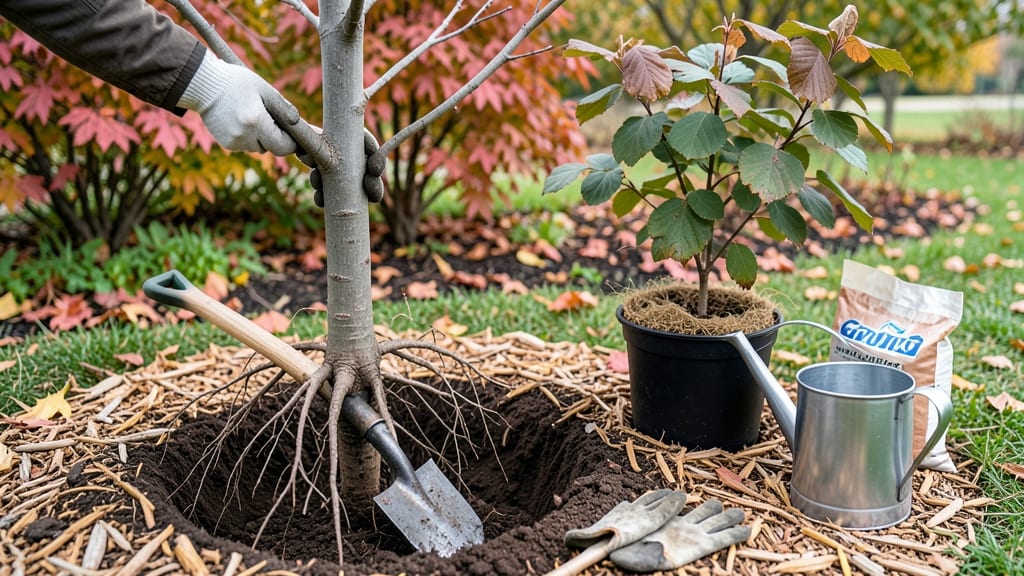
Planting a dogwood tree in fall 🌳 gives it a head start for next year’s blooms, but the timing must be just right to avoid winter stress.
Picture this: you dig your new dogwood into the ground in late October, only to watch it shiver through a surprise frost. Or worse, you wait until December, and the roots never get the chance to settle before winter sets in.
That’s why 4-6 weeks before the first frost is the sweet spot—enough time for roots to establish without risking cold damage.
Whether you’re in USDA Zone 6a or further south, the ideal window stretches from October through November. Cooler soil temperatures help roots grow steadily, while avoiding late-season planting means your tree won’t be caught off guard when winter arrives.
Below, I’ll break down the exact timing for your zone, how to prep the soil, and the key care steps to ensure your dogwood thrives from day one. Let’s get those roots growing!
Best fall planting windows by USDA hardiness zones for dogwood trees
Fall is the perfect time to plant dogwood trees because cooler soil temperatures reduce transplant shock while allowing roots to establish before winter dormancy. However, the ideal planting window varies dramatically by USDA hardiness zone.
Plant too early, and your tree may face frost damage; too late, and roots won’t harden enough for winter. Let’s break down the zone-specific timing to maximize your dogwood’s success.
Dogwood trees thrive when planted 4-6 weeks before the first expected frost in your region. This timing ensures roots have 4-6 weeks to grow before the ground freezes.
In warmer zones (8-10), you can extend planting into early December, while cooler zones (3-7) should aim for late September to early October. Understanding your local frost dates is critical—check your USDA zone map and historical frost data for precise timing.
Soil temperature plays a pivotal role in fall planting success. Dogwood roots prefer soil temps between 40°F and 60°F (4°C–15°C) for optimal growth. In northern zones (3-5), aim to plant when soil temps drop below 60°F (15°C) but before hard frost sets in.
In southern zones (8-10), where winters are milder, you can plant later but avoid soil temps below 50°F (10°C) to prevent root dormancy too soon.
Here’s a zone-by-zone breakdown of the best fall planting windows, including soil temperature and frost risk factors to help you choose the perfect time for your dogwood:
| USDA Zone | Ideal Planting Window | Soil Temp Range | Frost Risk | Key Consideration |
|---|---|---|---|---|
| Zones 3-5 | Late September to mid-October | 40°F–55°F (4°C–13°C) | High frost risk after mid-October | Plant early to avoid early frosts; use frost cloth if needed. |
| Zones 6-7 | Mid-October to early November | 45°F–60°F (7°C–15°C) | Moderate frost risk after early November | Aim for 6 weeks before first frost; mulch heavily. |
| Zones 8-10 | November to early December | 50°F–65°F (10°C–18°C) | Low frost risk; focus on soil temp | Plant when soil cools below 65°F; avoid waterlogged soil. |
In USDA zones 3-5, where winters are harsh, planting too late can leave your dogwood vulnerable to frost heave—when freezing and thawing cycles lift roots out of the soil.
To mitigate this risk, plant your dogwood 4-6 weeks before the average first frost date and apply a 4-6 inch layer of mulch around the base. This insulation helps regulate root zone temperatures and protects against extreme cold snaps.
For zones 6-7, the window is slightly more flexible, but timing is still crucial. Dogwoods planted in late October or early November benefit from cooler air temperatures that slow top growth while encouraging root development.
However, avoid planting after early November in these zones, as roots may not have enough time to establish before winter dormancy sets in. Monitor your local 10-day forecast for any unexpected cold snaps.
Gardeners in zones 8-10 have the luxury of a later planting window, but don’t delay too long. Dogwoods planted in December may experience root dormancy too early, limiting growth the following spring.
Aim to plant by early December, ensuring soil temps stay above 50°F (10°C). In these warmer climates, drought stress can also be a concern, so prioritize consistent watering until roots are well-established.
Regardless of your USDA zone, always choose a bare-root or container-grown dogwood from a reputable nursery. Bare-root trees are ideal for fall planting because they’re dormant and stress-free, while container-grown trees allow for later planting if needed.
Before planting, soak bare-root trees in water for 1-2 hours to rehydrate the roots, and trim any damaged or circling roots to encourage healthy growth.
After planting,
How to prepare your dogwood tree for fall planting success
Fall planting gives your dogwood tree a head start by allowing roots to establish before winter dormancy. But proper preparation is key to ensuring survival and vigorous growth. Whether you're planting bare-root or potted trees, these steps will set you up for success.
Start by choosing a well-draining location with partial shade to protect young roots from extreme heat. Dogwoods thrive in slightly acidic soil (pH 5.0–6.5), so test your soil and amend with compost or peat moss if needed. A nutrient-rich, loose soil mix encourages faster root growth.
Here’s your step-by-step checklist to prepare your dogwood tree for a successful fall planting:
- 1 Soil Preparation: Dig a hole twice as wide as the root ball but no deeper. Mix the native soil with compost or aged manure to improve drainage and fertility.
- 2 Container Prep: For bare-root trees, soak roots in water for 1–2 hours before planting. If potted, remove the container and gently loosen roots to prevent circling.
- 3 Planting Depth: Place the tree so the top of the root ball sits 1–2 inches above ground level. Backfill with amended soil, tamping lightly to remove air pockets.
- 4 Watering Schedule: Water deeply immediately after planting, then every 5–7 days for the first month. Aim for 1–1.5 gallons per week to encourage root spread.
- 5 Mulching: Apply 2–3 inches of mulch (wood chips or straw) around the base, keeping it 6 inches away from the trunk. Mulch retains moisture and regulates soil temperature.
- 6 Staking: Only stake if your tree is taller than 6 feet or in a windy area. Use soft ties to avoid girdling the trunk as it grows.
After planting, avoid fertilizing until spring—fall fertilization can encourage tender new growth that won’t survive winter. Instead, focus on consistent watering and monitoring for pests like dogwood borers or powdery mildew, which thrive in damp conditions.
With these steps, your dogwood tree will enter winter with a strong root system, ready to burst into vibrant blooms next spring. Happy planting! 🌳