
Plants
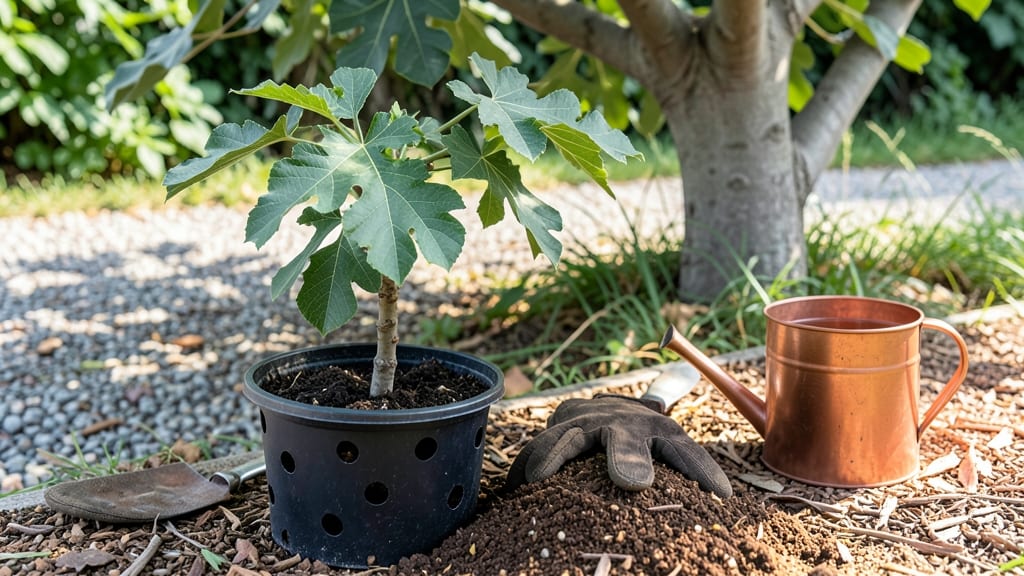
To plant a fig tree in New York, aim for late April or early May after the last frost—when soil temperatures hit 60°F and nights stay above 40°F.
New York’s unpredictable climate can make planting a fig tree tricky—but timing it right ensures your tree thrives year after year. Learn the exact USDA zone-specific windows to plant for maximum growth and fruit production.
Upstate growers in zones 5b-6a should wait until mid-May, while NYC’s 7a zone offers a slightly earlier window. Container-grown trees give you flexibility, but even they need 120 frost-free days to ripen fruit.
Below, I break down the best planting strategies by region, soil prep tips, and how to protect young trees from late frosts—so you can enjoy homegrown figs by August.
Best planting times for fig trees in New York by USDA Zone
New York’s USDA Zones 5-8 create unique challenges for growing fig trees. Unlike frost-sensitive plants, figs need careful timing to balance warm soil and avoiding late frosts. The key is planting when soil temps reach 60°F+ and frost risk drops below 10%.
For Zone 5 gardeners, this often means waiting until late May, while Zone 7-8 areas can start as early as mid-April.
Container-grown figs offer flexibility since you can move them indoors if frost threatens. However, in-ground planting requires permanent protection strategies like microclimates or windbreaks. The last average frost date in NYC (Zone 7a) is typically mid-April, but Upstate areas (Zone 5b) may face frost until May 15.
Always check your local National Weather Service for precise dates.
Here’s a quick reference for optimal planting windows across New York’s zones, including container vs. in-ground strategies:
For Zone 5-6 gardeners, late fall planting (October) is also an option if you use container growing. Young fig trees establish roots before winter and can be moved indoors when temps drop below 40°F.
However, in-ground fall plantings risk root heave from freeze-thaw cycles, so avoid this method unless you’re in Zone 7+.
Soil temperature is more critical than air temperature for figs. Use a soil thermometer to confirm 60°F+ before planting. In Zone 5, this often means waiting until after Memorial Day.
For container figs, you can plant earlier (as soon as soil thaws) and move pots to a sunny indoor spot if frost threatens.
Pro tip: Hardy fig varieties like 'Chicago Hardy' or 'Celeste' tolerate colder temps better than Mediterranean types. If you’re in Zone 5-6, these are your best bets for reliable fruit production. Always choose 1-year-old bare-root trees for faster establishment—avoid overgrown container plants that struggle to adapt.
After planting, mulch heavily (4-6 inches) with straw or wood chips to protect roots. In Zone 5-6, add a burlap wrap around the trunk for extra insulation. For container figs, use black plastic pots to absorb heat and place them on pot feet to improve drainage and airflow.
Remember: Figs need 180+ frost-free days to produce fruit. In Zone 5, this limits you to container growing or microclimate spots. If you’re in Zone 7-8, in-ground planting is ideal—just choose a south-facing location with well-draining soil to maximize heat absorption.
🌱
How to prepare your fig tree for New York’s climate challenges
New York’s unpredictable frost patterns and short growing season demand extra care when establishing fig trees. Unlike Mediterranean natives, figs need proper acclimatization to survive our winters and thrive in summer heat.
The key lies in chilling requirements, mulching strategies, and frost protection—all tailored to your specific USDA zone.
First, choose cold-hardy varieties like Chicago Hardy or Celeste, which tolerate USDA Zone 5 with proper care. These varieties can handle 10-15°F dips when dormant, but even they need seasonal adjustments to succeed in NY’s variable climate.
Let’s break down the essential steps to give your fig tree the best shot at survival and productivity.
Even after your last frost date, late frosts in May can still damage young fig trees. Always have frost cloths ready or plant in microclimates like south-facing slopes where frost pools less. Container-grown figs are easier to move indoors if frost threatens!
Start by ensuring your fig tree gets its required chilling hours. Most NY-suited varieties need 300-500 hours below 45°F during winter dormancy. If you’re in Zone 6 or colder, plant dwarf varieties in containers and overwinter them in a garage or unheated basement with minimal light.
This mimics their natural dormancy cycle and prevents winter kill.
Prepare the planting site with well-draining soil—figs hate soggy roots. Amend heavy NY clay with compost and perlite to improve aeration. After planting, apply a 3-4 inch layer of mulch (straw or wood chips) to insulate roots.
In fall, add an extra 6-inch mulch layer before the first frost to protect roots from freeze-thaw cycles, which can heave them out of the ground.
For frost protection, use burlap wraps or row covers during late spring and early fall. In Zone 5, consider wrapping the trunk with bubble wrap or insulating foam once temps drop below 25°F.
Water the root zone deeply before winter to hydrate roots and improve cold tolerance. Avoid overhead watering in winter, as wet foliage can lead to cold damage.
Finally, prune in early spring to remove dead wood and shape the tree. This encourages new growth and improves airflow, reducing disease risk.
If you’re growing figs in containers, move them to a sunny indoor spot (like a greenhouse or bright room) in late fall to extend the growing season and protect them from early frosts.