
Plants
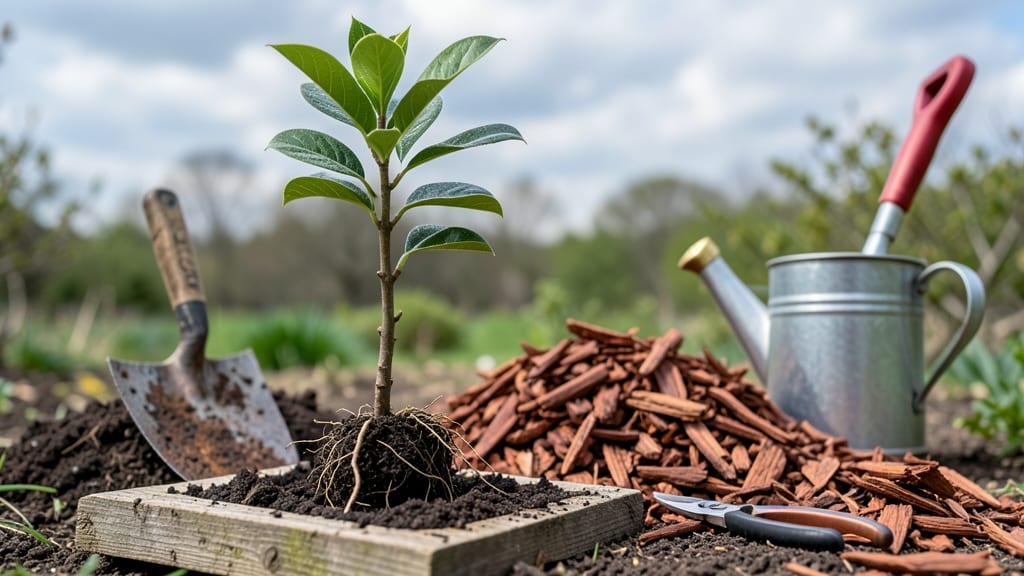
Planting a magnolia tree in Zone 7 at the right time ensures strong root growth and avoids frost damage, so timing matters more than you might think.
Picture this: You’ve just planted your 🌸 magnolia tree in late spring, only to watch it shiver through a surprise frost in May. Or worse, you wait until summer, and the roots struggle to establish before the heat sets in.
The difference between a thriving magnolia and a struggling one often comes down to when you put it in the ground.
Zone 7 gardeners have two ideal windows: fall (September through November) or early spring (March through April). Fall planting gives roots time to settle before winter, while spring planting avoids the stress of summer heat.
Both options have their advantages, but getting the timing wrong can leave your magnolia vulnerable to late frosts or drought.
In this guide, I’ll break down the best months for planting in Zone 7, how to prep your soil for success, and the critical mistakes to avoid—so your magnolia grows into the stunning, fragrant tree you’ve always wanted.

Best planting months for magnolia trees in Zone 7 and why
Magnolia trees are one of the most stunning additions to any landscape, but their success starts with timing. In Zone 7, where last frost typically arrives around April 15 and first frost hits by October 15, choosing the right window ensures strong root growth before dormancy.
The ideal planting months are September through November or March through early April, but each offers distinct advantages for your magnolia's long-term health.
Fall planting (September-October) gives roots time to establish before winter, while spring planting (March-April) allows for rapid growth during the warm season.
Zone 7's moderate climate makes both options viable, but soil temperature and frost risk play critical roles in determining which approach works best for your specific microclimate.
Soil temperature is the key factor—magnolia roots thrive when soil stays above 40°F (4°C) but below 80°F (27°C). In fall, cooler temps slow microbial activity, reducing transplant shock, while spring's warming soil accelerates nutrient uptake. However, late frosts in Zone 7 can still damage tender new growth if planted too early in spring.
Let's compare the two approaches to help you decide which planting window aligns best with your Zone 7 conditions:
| Factor | Fall Planting (Sep-Nov) | Spring Planting (Mar-Apr) |
|---|---|---|
| Soil Temperature | 50-70°F (10-21°C) - Ideal for root establishment | 45-65°F (7-18°C) - Warmer by April, but early spring can be chilly |
| Frost Risk | Low after October 15 - Roots establish before dormancy | Moderate - Late frosts (until April 15) can damage new growth |
| Root Establishment | 6-8 weeks before dormancy - Strong winter resilience | 8-10 weeks before summer heat - Rapid early growth |
| Watering Needs | Moderate - Cooler temps reduce evaporation | Higher - Spring rains may be inconsistent |
| Best For | Bare-root magnolias, cooler microclimates | Container-grown trees, warmer microclimates |
| Zone 7 Advantage | Avoids summer heat stress and drought | Maximizes growing season for faster establishment |
For Zone 7 gardeners, fall planting often emerges as the preferred option because it allows magnolia roots to establish in cooler soil before winter dormancy. This reduces transplant shock and gives young trees a head start when spring arrives.
However, if you're planting container-grown magnolias, early spring offers faster above-ground growth during the warm season.
One critical consideration is your specific Zone 7 microclimate. Areas with warmer microclimates (like urban heat islands) may benefit from spring planting to avoid summer drought stress, while cooler mountain regions should prioritize fall.
Always check your last frost date—planting too early in spring risks frost damage to tender new shoots.
If you choose fall planting, aim to get your magnolia in the ground at least 6-8 weeks before the first expected frost. This gives roots time to knit together before winter.
For spring planting, wait until soil temperatures consistently stay above 50°F (10°C)—typically mid-to-late March in most of Zone 7.
Container-grown magnolias handle spring planting better because their root systems are less disturbed than bare-root specimens. If you're planting bare-root trees in spring, soak the roots for 2-4 hours before planting to revive any dried-out roots.
In fall, bare-root magnolias thrive because their dormant state reduces transplant shock during cooler months.
Remember that magnolias are slow to establish—proper planting timing ensures they don't struggle during their first critical years. Whether you choose fall or spring, amend your soil with compost and mulch heavily to retain moisture and regulate soil temperature.
With the right timing, your magnolia will reward you with fragrant blooms and lush foliage for decades.
🌸
How to prepare your Zone 7 soil for fall vs. spring magnolia planting
Magnolias thrive in acidic, well-draining soil, but Zone 7's seasonal shifts demand different prep strategies for fall vs. spring planting. In fall, focus on root establishment before dormancy, while spring prep prioritizes moisture retention as temperatures rise.
Both seasons require organic matter and proper pH balance—let's break down the exact steps for each.
Start by testing your soil's pH level—magnolias prefer 4.5 to 6.0. Use a home test kit or send a sample to your local cooperative extension office. If your soil is too alkaline, amend it with elemental sulfur (fall) or peat moss (spring).
For drainage issues, mix in composted pine bark to loosen heavy clay soils common in Zone 7.
For fall planting, work in composted leaves or well-rotted manure to improve soil structure while adding nutrients. In spring, prioritize moisture retention by mixing in coco coir or peat moss. Both amendments help magnolias establish roots quickly—critical for Zone 7's hot summers and variable winters.
After amending, dig a planting hole twice as wide as the root ball but no deeper. This encourages roots to spread horizontally, which magnolias prefer. Gently loosen roots if pot-bound, then place the tree so the root flare sits 1-2 inches above soil level.
Backfill with native soil mixed with 10% compost to avoid nutrient burn.
Mulching differs by season: In fall, use 4-6 inches of pine straw to insulate roots from freezing. In spring, keep mulch at 3 inches to prevent overheating.
Always keep mulch away from the trunk to avoid rot. Water deeply after planting—aim for 15 gallons for young trees—then maintain consistent moisture until roots establish.
Zone 7's microclimates mean your soil prep should account for local conditions. If your area has clay-heavy soil, add sand or perlite to improve drainage. For sandy soils, incorporate compost to hold moisture. Regularly check soil moisture by inserting a finger 2 inches deep—if dry, water thoroughly.