
Diseases
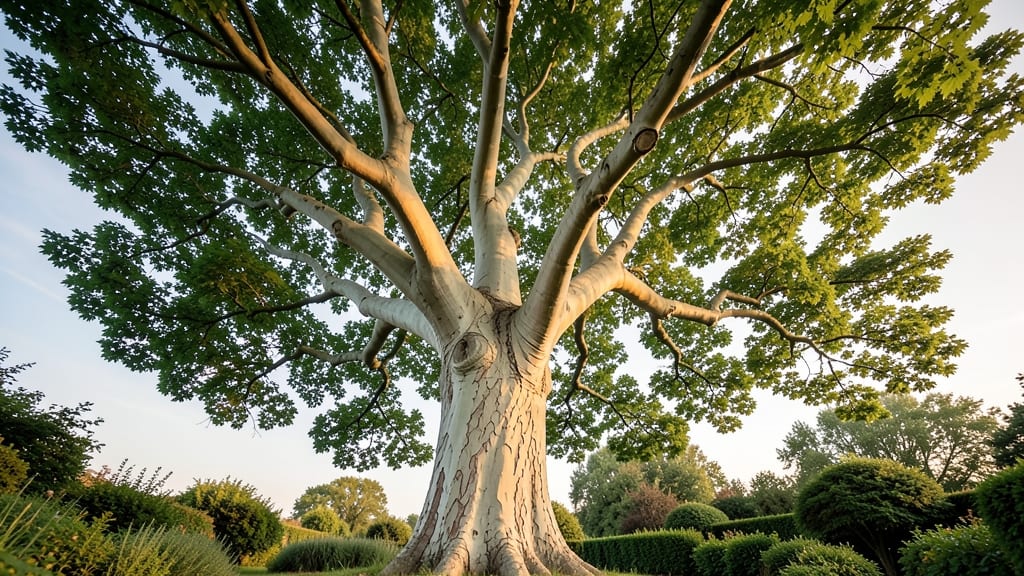
Transform your garden into a serene sanctuary with these 10 stunning white-barked trees. Their elegant canopies and unique textures create natural privacy while adding timeless beauty to any landscape design.
Paper Birch Tree for Rustic Charm
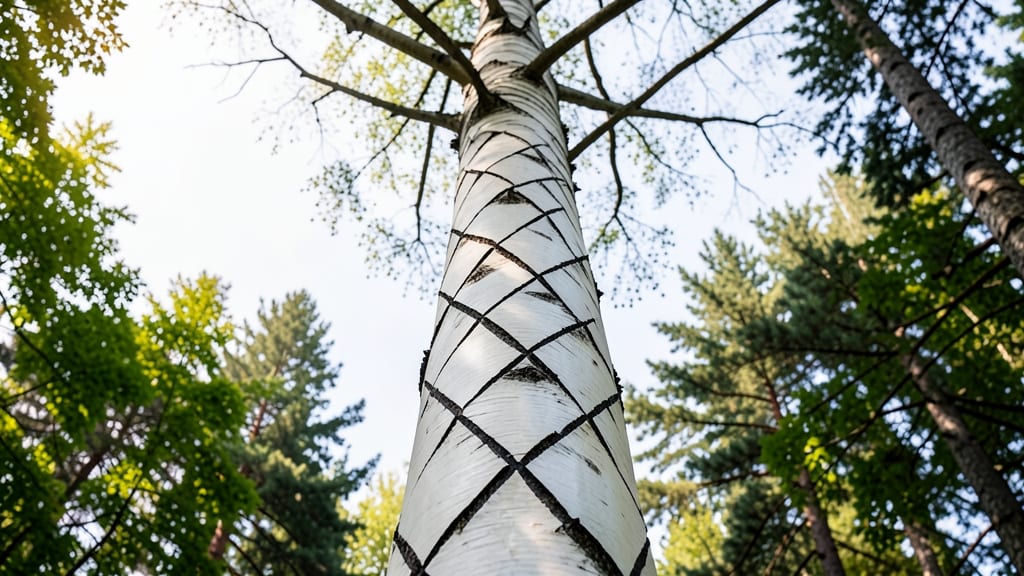
The paper birch tree (Betula papyrifera) is the quintessential woodland beauty, offering a canvas of white bark with striking black diamond patterns that catch the light like no other tree. This iconic species thrives in cooler climates, making it a standout choice for gardens in zones 2-6 where it adds rustic elegance and year-round visual interest.
Its peeling bark reveals layers of crisp white paper-thin sheets, while golden autumn foliage creates a warm contrast. Plant in full sun to partial shade with well-drained soil, and watch as it develops its signature exfoliating bark within just a few years. The tree's airy, open canopy also allows sunlight to filter through, perfect for underplanting wildflowers or ferns.
Perfect for gardeners seeking natural privacy or a focal point, the paper birch's graceful form and striking bark make it a timeless addition to cottage gardens, forest-edge plantings, or even as a standalone specimen. 🌟
Silver Birch Tree Varieties
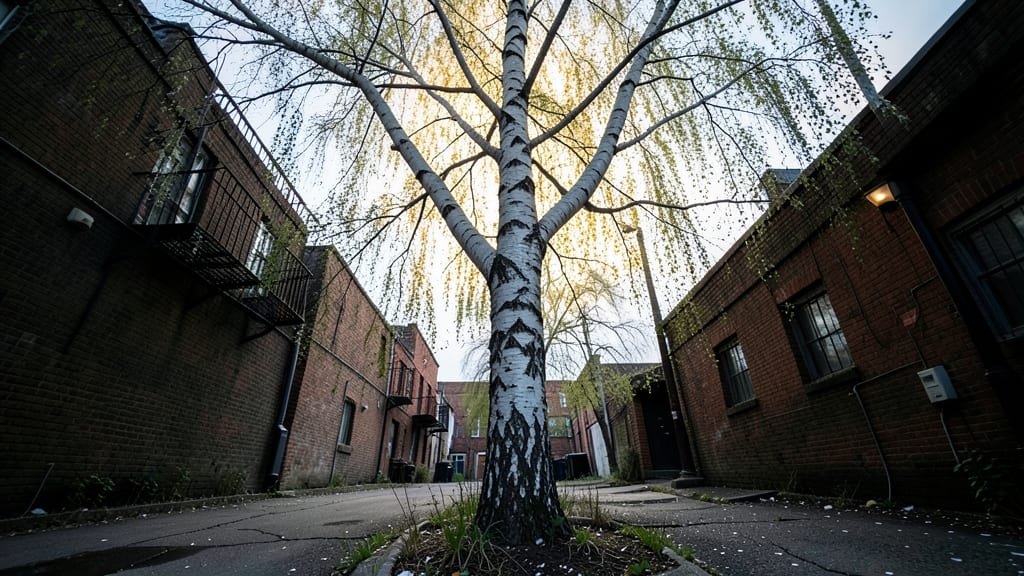
Need a fast-growing tree that instantly brightens shady urban spaces? Silver birch varieties grow 2-3 feet per year, offering silvery-white bark that reflects light beautifully—ideal for dark corners or tight city lots.
These trees thrive in USDA zones 3-7 and tolerate poor soil, making them perfect for urban gardens where space is limited. Their delicate catkins add early spring interest, while their airy canopy provides quick privacy without overwhelming small yards. Choose Betula pendula for classic elegance or Betula utilis for extra height.
City dwellers and small-space gardeners will love how these trees create instant curb appeal while requiring minimal maintenance. 🌿
Hackberry Tree with Unique Bark Texture
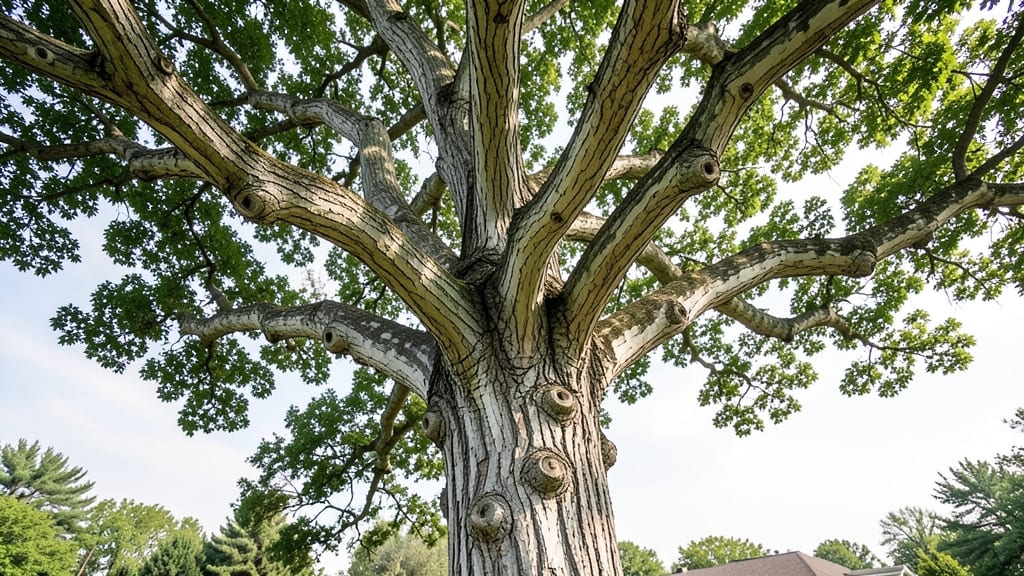
Looking for a native American tree that adds texture, supports wildlife, and thrives with minimal care? The hackberry tree delivers all three with its striking white and gray bark that develops fascinating corky excrescences—natural growths that add dimension to your landscape.
This hardy tree handles drought conditions once established and provides year-round interest, from its rugged bark to its small, edible berries that attract birds and butterflies. Plant it as a specimen or in groups for a naturalistic look, knowing it requires little pruning and tolerates urban pollution. Its pollinator-friendly qualities make it a standout for eco-conscious gardeners.
Perfect for dry landscapes and those seeking low-maintenance beauty, the hackberry tree offers a unique alternative to more common white-barked species. 🌟
Ghost Tree with Ethereal Appearance
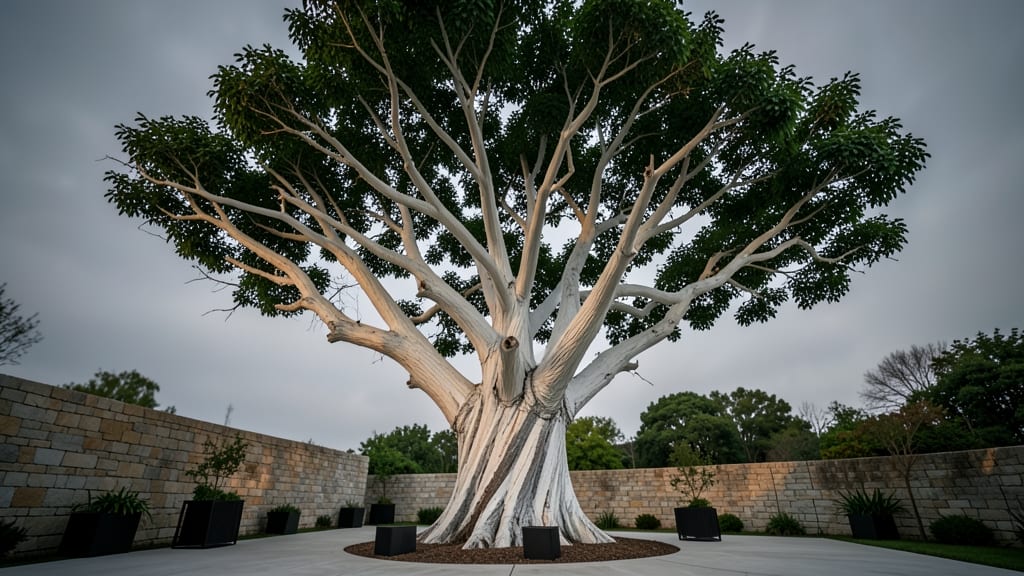
Want to add a dramatic, architectural statement to your modern garden without overwhelming traditional aesthetics? The ghost tree (Betula utilis var. jacquemontii) delivers with its spectral white bark that glows against dark green foliage, creating a striking contrast that feels straight out of a fantasy landscape.
This rare deciduous tree thrives in USDA zones 4-8 and prefers full sun to partial shade, making it adaptable for both urban courtyards and rural properties. Its smooth, paper-like bark exfoliates naturally, revealing fresh white layers that maintain their ethereal appearance for decades. Unlike other white-barked trees, the ghost tree’s delicate branching structure adds a sculptural quality, perfect for minimalist designs or as a standalone specimen.
Ideal for gardeners who love bold visual impact with low-maintenance care, this tree is especially prized in contemporary landscapes where clean lines and striking textures take center stage. 🌟
Whitebeam Tree for Ornamental Value
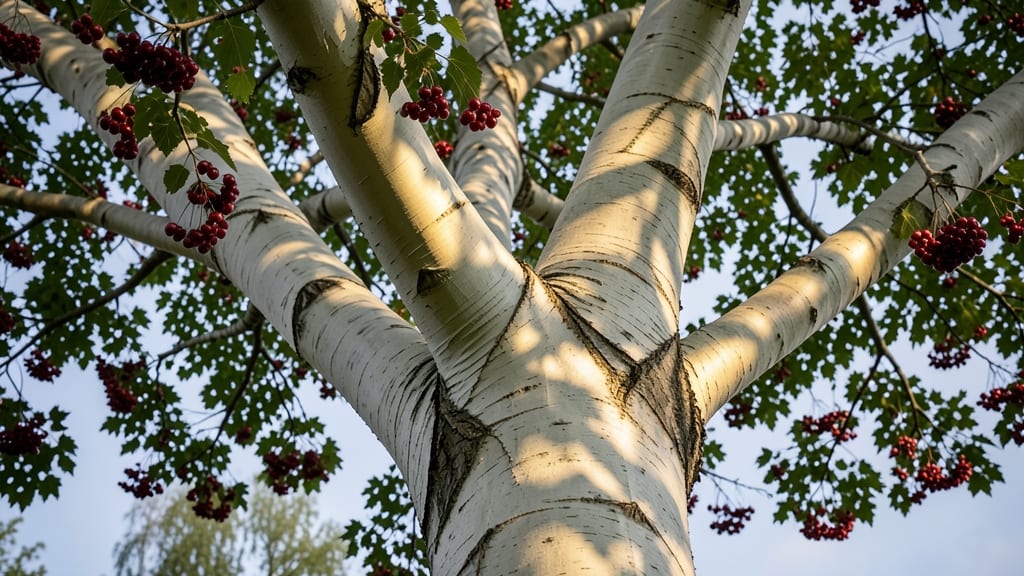
Looking for a tree that offers both beauty and a bonus for wildlife? The whitebeam tree delivers with its smooth white bark that peels to reveal intricate patterns, plus clusters of edible red berries that attract birds and small mammals.
Native to Europe, this versatile tree thrives in partial shade to full sun and handles moderate drought once established. Its exfoliating bark adds visual interest year-round, while the berries provide a late-season treat for garden visitors. Plant it as a specimen or in mixed borders for a cottage-garden feel.
Perfect for gardeners who love multi-season interest and want to support local ecosystems—this tree is a hidden gem that keeps giving. 🌻
Striped Maple Tree Varieties
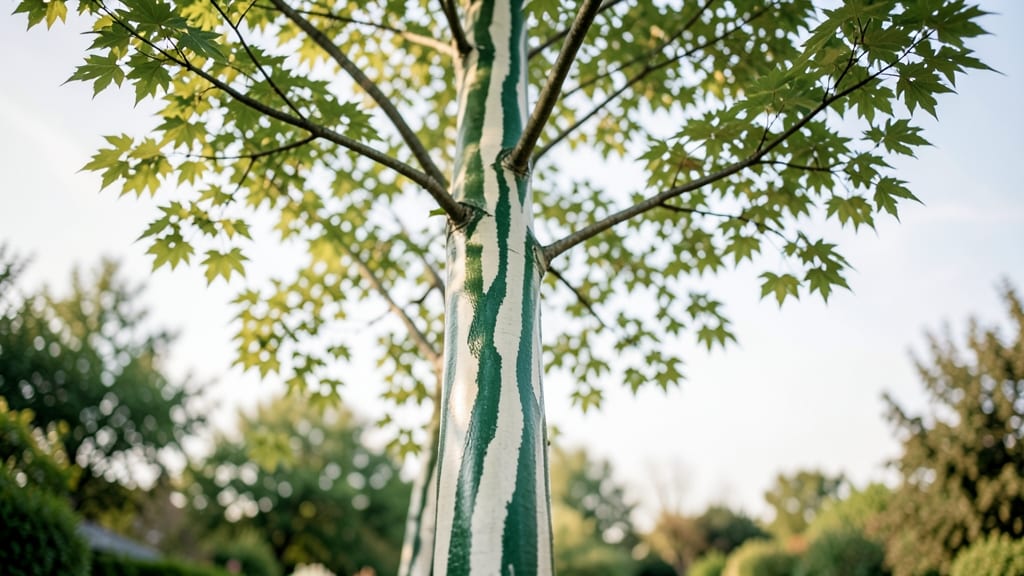
Looking for a tree that adds visual texture without dominating your space? The striped maple (Acer pensylvanicum) delivers with its bold white and green striped bark, creating a striking contrast that’s perfect for medium gardens or even large containers.
This smaller tree (typically 15–25 feet tall) thrives in partial shade to full sun and tolerates a range of soils, making it versatile for urban or woodland settings. Its vibrant green leaves turn brilliant yellow in fall, adding seasonal interest. Unlike larger white-barked trees, striped maple fits snugly in tight spaces while still making a bold statement.
Ideal for gardeners who want year-round visual appeal without the maintenance of larger specimens, this tree is especially charming in cottage gardens, woodland borders, or as a focal point in patio designs. 🌻
Japanese Snowbell Tree
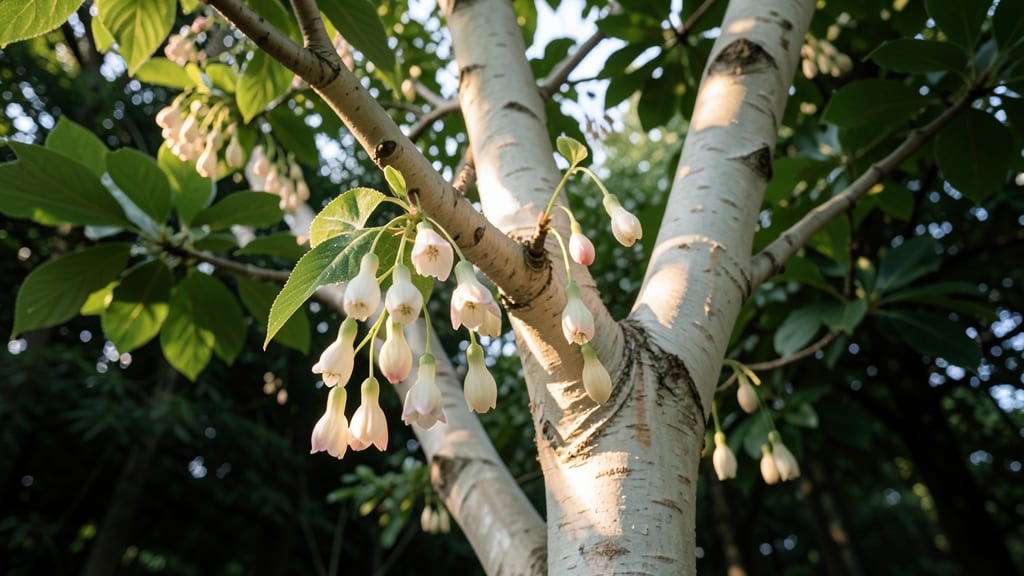
Looking for a tree that thrives in shady spots while adding both fragrance and elegance to your garden? The Japanese Snowbell Tree (Styrax japonica) is a hidden gem with delicate white bark and clusters of bell-shaped, vanilla-scented flowers that bloom in late spring.
This understory tree grows 15-25 feet tall, making it perfect for adding vertical interest to woodland gardens or shaded borders. Its smooth, pale bark contrasts beautifully with its glossy green leaves, while the fragrant blossoms attract pollinators like bees and butterflies. It tolerates partial to full shade, making it ideal for areas where sunlight is limited.
Perfect for gardeners seeking a low-maintenance yet sophisticated addition, this tree thrives in well-drained soil and handles humidity well—ideal for coastal or humid climates. 🌿
White Bark Cherry Tree
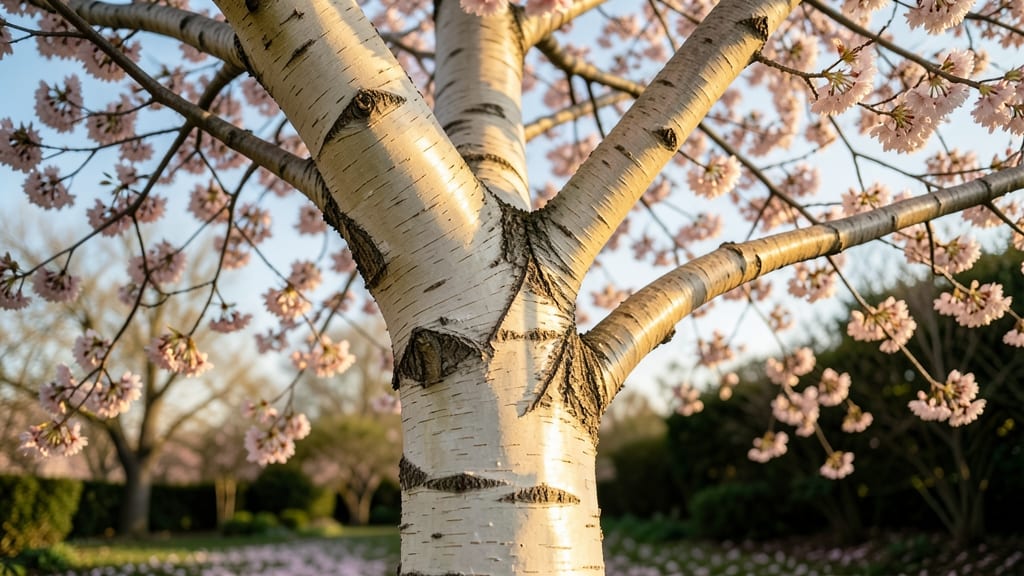
If you love trees that steal the show in every season, the white bark cherry tree is your perfect match. This stunning tree combines delicate spring blossoms with eye-catching white bark that stays beautiful year-round, making it a standout in any garden.
Plant it in full sun for the best floral display, and its compact size (typically 15-25 feet tall) makes it ideal for small urban spaces or as a focal point in tight landscapes. The pink-white flowers appear before the leaves in spring, followed by glossy green foliage that turns brilliant red in fall. Its bark remains smooth and striking even in winter, ensuring year-round visual interest.
Urban gardeners and small-space enthusiasts will adore this tree's versatility—it thrives in containers for a few years and adds charm to patios or courtyard gardens. 🌷
Eucalyptus Tree with Peppermint Bark
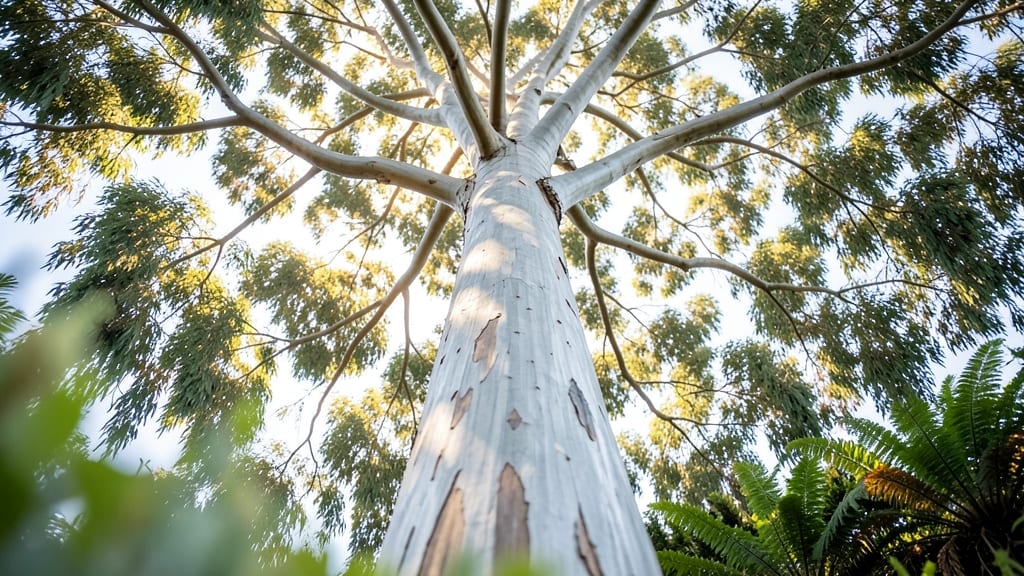
Want a tree that smells like a spa retreat and looks like a tropical escape? The eucalyptus tree with peppermint bark delivers both with its aromatic white-gray bark that releases refreshing oils when touched. This isn’t your average garden tree—it’s a sensory experience wrapped in striking bark.
Native to warm climates, this eucalyptus variety thrives in USDA zones 8-11, making it perfect for Mediterranean-style gardens, coastal landscapes, or even large containers. Its smooth, silvery bark contrasts beautifully with glossy green leaves, while the subtle peppermint scent repels pests naturally. Just be prepared for its rapid growth—some varieties can reach 50 feet tall in ideal conditions!
Ideal for gardeners seeking low-maintenance tropical flair, this tree also attracts pollinators and birds. Plant it as a focal point near patios or walkways to enjoy its soothing aroma year-round. 🌿
Hornbeam Tree Varieties

Looking for a tree that delivers year-round elegance with minimal fuss? Hornbeam trees offer smooth, creamy-white bark that develops intricate patterns as it matures, making them a standout choice for structured gardens.
These versatile trees thrive in full sun to partial shade and tolerate a wide range of soil types, including clay—ideal for urban or formal landscapes. Their dense growth habit makes them perfect for hedging or topiary, while their compact size (typically 15-25 feet tall) suits smaller spaces. Prune in late winter for best results, and enjoy their golden autumn foliage as a bonus.
Gardeners who love clean lines and low-maintenance beauty will adore hornbeams—they’re equally at home as a specimen plant or part of a meticulously trimmed border. 🌿