
Pruning
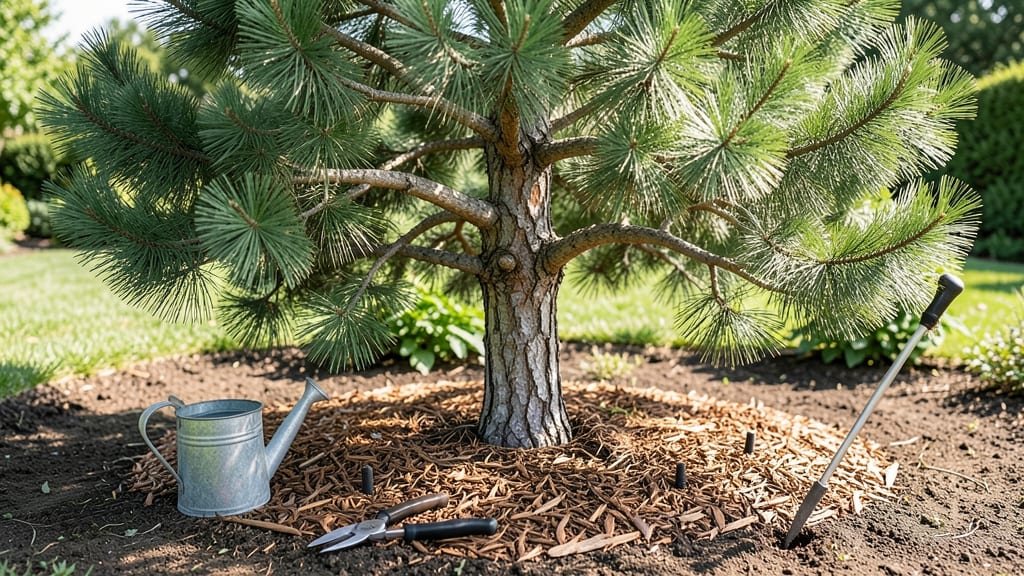
Keeping all the green tree care healthy year-round isn’t just about aesthetics—it’s about their long-term survival and vigor. 🌳 I’ve learned the hard way that neglecting even basic care leads to weak branches, pest problems, and stunted growth, but the right routine transforms trees into thriving, picturesque features that last decades.
The secret lies in consistent, seasonal adjustments that match each tree’s needs, whether it’s evergreen or deciduous.
You’ll need just a few essentials: sharp pruning shears, a sturdy ladder (for higher branches), gloves for protection, and a basic understanding of tree biology.
Most people overlook soil health—amending with compost in early spring gives roots the nutrients they crave, while proper watering (deep and infrequent) prevents shallow root systems. Even a 10-minute weekly check during growing seasons catches issues before they spiral.
By summer’s end, you’ll see the results: fuller canopies, stronger trunks, and fewer pest attacks. The key is timing—prune in late winter or early spring when trees are dormant, and avoid heavy pruning in fall when wounds take longer to heal.
Evergreens need special attention to avoid sunburn on exposed wood after trimming.
This approach works for any yard size, from urban sidewalks to rural acres. The payoff isn’t just beauty—it’s peace of mind knowing your trees will stand strong for generations. Let’s get started with the basics that make all the difference.
📚 In This Guide
- What you need
- Instructions
- Tips and common mistakes
- Wrapping up and next steps
What you need
- ● Pruning shears: Bypass shears (for clean cuts on small branches, 6–8" blades) – 1 pair
- ● Loppers: Bypass or anvil type (for medium branches, 18–24" handles) – 1 pair
- ● Pruning saw: Curved-tooth or folding saw (for thick branches, 18–24" blade) – 1
- ● Extension pole: 10–15 ft telescoping pole (for high branches) – 1
- ● Hand pruners: Sharp, high-quality (for precision cuts) – 1 pair
- ● Disposable gloves: Nitrile or leather (for grip and protection) – 1–2 pairs
- ○ Tree wound dressing (optional): Pruning sealant or beeswax (for large cuts) – small jar
- ● Ladder (if needed): Sturdy, extendable (for mid-height trees) – 1
- ● Cleaning supplies: Rubbing alcohol (70%+) and paper towels (for sterilizing tools) – small bottle
- ● Heavy-duty trash bags: (for debris) – 2–3 bags
- ● Safety glasses: (to protect from debris) – 1 pair
- ● Long sleeves/pants: (to avoid scratches or sap burns) – 1 set
- ● Weather check: Calm, dry conditions (avoid pruning in wind, rain, or extreme heat)
- ● Tree health assessment: Identify dead/diseased branches (mark with flags or spray paint if needed)
- ● Local regulations: Check if permits are needed (for large trees or protected species)
Step-by-step guide to year-round tree shape control
Healthy trees start with smart shaping—here’s how to guide growth without stressing the plant.
🌿 Step 1: Assess Growth Patterns and Seasonal Needs
Begin by examining your tree’s natural shape and growth habits. Evergreens like spruces and pines grow year-round, while deciduous trees like maples and oaks focus growth in spring and summer. I look for fast-growing branches (usually younger, thinner stems) and slow-growing areas (older, thicker limbs). Mark these zones with a soft garden twine—this helps visualize where pruning will have the most impact.
Timing matters: Prune evergreens in late winter or early spring (just before new growth starts) to avoid winter dieback. For deciduous trees, late winter or early spring is ideal—just as buds swell but before leaves emerge. This ensures you’re cutting back old growth while encouraging fresh, healthy shoots.
✂️ Step 2: Use Proper Pruning Techniques for Clean Cuts
Start with sterilized pruning tools—wipe blades with rubbing alcohol between cuts to prevent disease spread. Make cuts at a 45-degree angle, just outside the branch collar (the swollen area where the branch meets the trunk). This ensures the tree seals the wound naturally. For larger branches over ½ inch thick, use three-cut pruning: First, make an undercut on the underside of the branch, then a top cut, and finally remove the branch by twisting it gently away from the trunk.
Remove dead, diseased, or crossing branches first—these compete with healthy growth and can harbor pests. Thin out overcrowded areas to improve airflow and sunlight penetration. I always step back every few cuts to check the tree’s balance—this prevents over-pruning in one area, which can create uneven growth.
☀️ Step 3: Encourage Balanced Growth with Strategic Trimming
To maintain a natural, full shape, focus on selective trimming rather than heavy shearing. Cut back new growth by ⅓ to encourage bushier branching—this works especially well for trees like Japanese maples or flowering cherries. For taller trees, prioritize vertical branches to prevent them from becoming top-heavy or blocking sunlight for lower limbs.
Use growth regulators (like plant hormones) sparingly—only on stubborn, overly aggressive branches. Apply them to fresh cuts in early summer to slow elongation. Avoid pruning in fall, as new growth won’t harden off before winter, making it vulnerable to frost damage.
🪴 Step 4: Monitor and Adjust for Seasonal Changes
After pruning, water deeply to reduce stress—especially in drought-prone areas. Mulch around the base (but keep it 3-4 inches away from the trunk) to retain moisture and regulate soil temperature. Check for new shoots in 4-6 weeks—these indicate successful regrowth. If you notice yellowing leaves or stunted growth, you may have pruned too aggressively or at the wrong time.
Adjust your approach based on the season: In summer, focus on light shaping to refine new growth. In winter, limit pruning to removing deadwood—evergreens can tolerate light pruning even in cold months, but deciduous trees should rest until spring. I keep a pruning journal to track growth patterns year by year—this helps me anticipate where adjustments will be needed next.
⏰ Step 5: Plan for Long-Term Health and Structure
Healthy trees require consistent care, not just occasional pruning. Every 2-3 years, reassess the tree’s structure and adjust your pruning plan. Remove weak or structurally flawed branches before they become hazards—this is especially critical for trees near homes or driveways. Use cabling or bracing for large branches that may split under snow or wind load.
Fertilize lightly in early spring with a balanced, slow-release fertilizer to support new growth. Avoid heavy applications, which can lead to soft, weak shoots prone to breakage. If your tree is slow to recover, it may need soil testing—poor nutrition or compacted soil can stunt growth even with perfect pruning.
Tips & tricks for perfect year-round tree shape control
Mastering tree care isn't about drastic cuts—it's about understanding subtle growth cues and timing. Here's how to refine your approach for lasting health.
Seasonal Timing Secret: The late winter to early spring window is non-negotiable for deciduous trees—this is when they're most resilient. I've seen trees recover beautifully from pruning in this period, but the same cuts in summer often lead to stress. For evergreens, that late winter timing prevents winter dieback, which can be devastating. Mark your calendar now: evergreens get their turn just before buds swell, while deciduous trees need attention as buds begin to show but before leaves unfurl.
Pruning Technique That Changed Everything: The three-cut method for branches over ½ inch thick isn't just about clean removal—it's about preserving the tree's natural healing process. That undercut prevents bark from tearing when you make the final cut, which is crucial for preventing disease entry points. I've watched trees where this wasn't followed develop ragged wounds that took years to seal properly. Always make that final cut just outside the branch collar where the branch meets the trunk—this is where the tree's natural healing tissues live.
Growth Regulator Strategy: Growth regulators should be your last resort, not first tool. I use them only on stubborn branches that refuse to cooperate with natural pruning—think of those aggressive vertical shoots that threaten to make your tree top-heavy. Apply them to fresh cuts in early summer when the tree is actively growing but before that growth becomes too established. A little goes a long way: follow package instructions precisely, as overapplication can actually stimulate more growth rather than slowing it.
Long-Term Health Hack: That 2-3 year reassessment isn't just about aesthetics—it's about catching structural issues before they become hazards. I've seen beautiful trees become dangerous overnight when a weak branch finally gave way. Pay special attention to branches that grow at sharp angles from the trunk (called "included bark")—these are prime candidates for removal as they're prone to splitting. Use a simple string test: if you can't wrap a string around a branch without it touching the trunk, it's time to thin it out.
Pro Tips for All Green Tree Care
- Mastering tree care isn't about drastic cuts—it's about understanding subtle growth cues and timing.
- Seasonal Timing Secret: The late winter to early spring window is non-negotiable for deciduous trees—this is when they're most resilient.
- Pruning Technique That Changed Everything: The three-cut method for branches over ½ inch thick isn't just about clean removal—it's about preserving the tree's natural healing process.
Frequently asked questions
Got questions about keeping your trees lush and well-shaped year-round? You’re not alone!
Here are some of the most common queries about all-green tree care—plus straightforward answers to help you maintain a healthy, vibrant landscape.
When is the best time to prune for year-round shape control?
For most trees, late winter or early spring (just before new growth) is ideal for structural pruning. However, light shaping can be done year-round—just avoid heavy pruning in extreme heat or cold. Evergreens like pines or spruces can be pruned anytime, but focus on dormant seasons to minimize stress.
How do I know if I’m over-pruning my tree?
Watch for thinning foliage, excessive water sprouts (suckers), or dead branches. If your tree looks too bare or growth slows dramatically, you’ve likely cut too much. A good rule: Never remove more than 25% of the canopy in one session. If unsure, consult a local arborist!
Can I use the same tools for all types of trees?
Not quite! Hand pruners work for small branches, while loppers or pole saws handle thicker limbs. For large trees, a chainsaw may be necessary—but always use sharp, clean tools to prevent disease. Disinfect blades between cuts (especially on fruit/nut trees) with a 10% bleach solution.
What’s the deal with “all-green” pruning vs. traditional pruning?
All-green pruning focuses on removing only live, green growth to encourage dense, healthy foliage—ideal for ornamental trees like boxwoods or hollies. Traditional pruning may include deadwood removal or structural cuts. The key difference? All-green prioritizes aesthetic density over structural fixes.
My tree’s leaves are yellowing after pruning—what went wrong?
Yellowing can signal over-pruning, nutrient loss, or fungal stress. Check for uneven cuts (leave a small collar) and ensure you’re not sealing wounds with paint/sealant (this traps moisture!). If yellowing persists, test soil pH or add a balanced fertilizer (like 10-10-10) to support recovery.
Still stumped? Drop your tree-care conundrum in the comments—we’re happy to help!
Wrapping up and next steps
Mastering all-green tree care is all about consistency, patience, and a little know-how! 🌿 By following seasonal pruning techniques, using the right tools, and staying mindful of your tree’s health, you’ll keep it thriving year-round.
Whether you’re trimming for shape, safety, or aesthetics, your efforts will pay off in lush, vibrant growth.
Ready to take the next step? Start small—pick one tree or section to practice your skills, then expand as you gain confidence. And if you’re feeling overwhelmed, don’t hesitate to consult a local arborist for expert guidance. Your green thumb is growing—keep nurturing it! 🌱