
Pruning
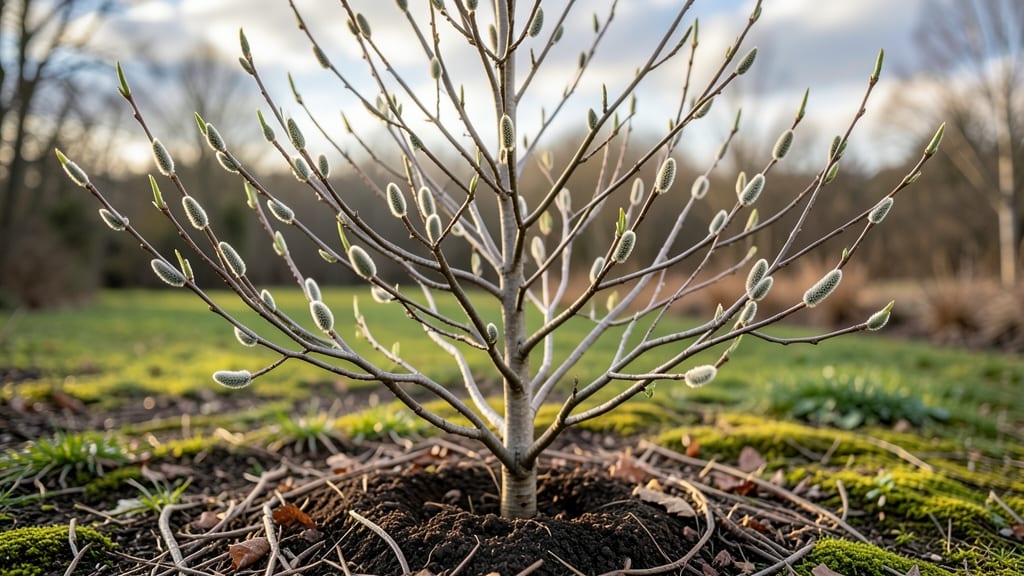
Pruning the pussywillow tree care in early spring unlocks its full potential—thicker branches, more catkins, and a bushier shape that lasts all season. 🌿 I learned the hard way that skipping this step leaves you with leggy stems and sparse blooms, but once you master the timing and technique, the transformation is dramatic.
The key is late winter to early spring before new growth starts, when the tree is still dormant but about to burst with energy. You’ll need sharp pruning shears, gloves, and a clear day to work—no need for fancy tools, just the right approach.
Cut back one-third of the oldest stems each year to encourage fresh, vigorous growth from the base.
What you’ll end up with is a tree that looks like it’s been growing for decades, even if it’s young. The catkins become denser, the branches fill out, and the overall shape stays compact—no more awkward gaps or bare spots.
Plus, it’s easier to manage pests and diseases when you’re pruning regularly.
Works for both young trees and mature specimens, and the same principles apply whether you’ve got a single pussywillow or a whole row. Let’s get those shears ready!
📚 In This Guide
- What you need
- Instructions
- Tips and common mistakes
- Wrapping up and next steps
What you need
- ● Pruning shears: Sharp, bypass-style shears (for cuts up to ½ inch thick) or loppers (for thicker branches up to 1.5 inches). Sterilize blades with rubbing alcohol or a 10% bleach solution between cuts to prevent disease.
- ○ Hand pruners (optional but helpful): For precision trimming of smaller branches (¼ inch or less).
- ● Gloves: Heavy-duty, cut-resistant gloves (e.g., mechanics’ or pruning gloves) to protect hands from thorns and rough bark.
- ● Ladder or step stool: A stable, 3-sided ladder (if your tree exceeds 6–8 feet) or a foldable step stool for safety. Never stand on wobbly surfaces!
- ● Disposable pruning bags or bucket: A 5-gallon bucket or mesh bags (for collecting debris—aim for 1–2 bags per session depending on tree size).
- ● Rake or leaf blower: A bow rake (for larger debris) or a leaf blower (for quick cleanup).
- ○ Tree wound sealant (optional but recommended): A high-quality, latex-based sealant (e.g., Tanglefoot Tree Wound Pruning Seal) for cuts larger than ½ inch.
- ● Weather check: Prune on a dry, overcast day (avoid rainy or windy conditions).
- ● Safety glasses: Protect your eyes from flying debris (especially when sawing thicker branches).
- ● Long sleeves/pants: Wear loose, layered clothing to avoid snags from branches.
- ● First-aid kit: Include antiseptic wipes, bandages, and tweezers for minor cuts or thorn pricks.
- ● Pole saw: For high branches (if you’re not using a ladder).
- ● Tree pruning saw: A curved-tooth saw for branches 1.5–3 inches thick.
- ● Hose with nozzle: For rinsing tools and removing sap after pruning.
- ● Pruning paint: Non-toxic, water-based paint to seal cuts (if you skip sealant).
- ● Notebook & pen: To jot down pruning notes (e.g., branch locations, growth patterns).
Step-by-Step pruning guide for a healthier pussywillow tree
Pruning isn’t just about shaping—it’s how you keep your pussywillow thriving year-round. Here’s how I do it for full, lush growth.
✂️ Step 1: Prune in Late Winter Before New Growth Begins
Start your first cut in late winter when the tree is still dormant—typically February or March in most climates. This timing ensures you remove dead wood without interrupting the tree’s energy reserves. Look for brown, brittle branches or any that cross and rub against others. These are your first targets.
Use clean, sharp pruning shears to make cuts just outside the branch collar (the swollen area where the branch meets the trunk). Avoid leaving stubs—they invite disease. For thicker branches over ½ inch, switch to a pruning saw. I always sterilize my tools with rubbing alcohol between cuts to prevent spreading any hidden infections.
✂️ Step 2: Thin Out Crowded Branches for Better Airflow
Pussywillows naturally grow bushy, but too many branches competing for sunlight can lead to weak, leggy growth. Focus on removing 20-30% of the total branches—this opens up the canopy and lets light reach the inner stems. Prioritize branches that grow inward or downward, as these block airflow and encourage fungal issues.
Watch for water sprouts (thin, fast-growing shoots) and suckers (shoots from the base). These steal energy from your main tree. Cut them back to the ground immediately. You’ll know you’re doing it right when you see more light filtering through the branches after pruning.
☀️ Step 3: Light Summer Pruning to Encourage Fullness
In early summer, give your pussywillow a second pruning to shape it and promote bushier growth. This is when you can get creative—trim back any branches that are growing too long or out of balance. Aim to reduce branch length by ⅓ on the longest stems to encourage lateral branching.
Here’s the trick: prune just above a leaf node (the bump where leaves attach). This tells the tree to send out new growth from that spot, filling in gaps. Avoid heavy pruning in summer heat—stick to mornings or evenings when temperatures are cooler. You’ll notice new shoots forming within 2-3 weeks if you’ve pruned correctly.
✂️ Step 4: Clean Up in Fall to Prevent Disease
As temperatures drop in late fall, do a final cleanup to remove any dead, diseased, or weak branches. This is also the time to sterilize your tools again—fall is when fungal spores spread easily. Rake up and dispose of all fallen leaves and debris from under the tree to reduce overwintering pests.
If you see mushroom-like growths at the base of the tree, these are signs of root rot—a serious issue for pussywillows. Dig out any infected wood and treat the area with fungicide if needed. A healthy tree will have smooth, bark-free branches and no signs of oozing sap or discoloration.
⏰ Step 5: Winter Inspection and Light Maintenance
Even in winter, keep an eye on your pussywillow. If a heavy snowstorm bends branches, prune them back to their original shape as soon as the ground thaws. Avoid pruning in freezing conditions—cold wood is brittle and can splinter, making wounds harder to heal.
This is also the time to plan your next year’s pruning. Sketch a rough outline of how you want the tree to look, focusing on balanced growth and even distribution of branches. A well-pruned pussywillow will reward you with vibrant spring blooms and a fuller shape year after year.
Tips & tricks for perfect pussywillow pruning
These simple tricks will help you avoid common mistakes and keep your pussywillow thriving for years.
Timing is Everything: The late winter pruning in Step 1 is critical—it's when the tree is completely dormant, so you won't accidentally remove any new growth. I've seen people prune too early in winter and end up with bare branches because they cut back healthy buds that were about to open. Mark February 15th on your calendar as a reminder to start your pruning—this gives you a two-week window before buds typically begin to swell.
Tool Prep Makes All the Difference: Before you even touch the tree, sterilize your pruning shears with rubbing alcohol. I learned this the hard way after transferring a fungal infection from one branch to another. For thicker branches over ½ inch, switch to a pruning saw—your shears will thank you. And here's a pro move: Wipe down your tools with a damp cloth after each cut to prevent sap buildup that can dull blades quickly.
Visual Cues for Perfect Cuts: When making cuts in Step 1, look for the branch collar—the swollen area where the branch meets the trunk. Your cut should be just outside this collar, creating a smooth, angled surface. Think of it like making a clean slice of pizza—you want that clean break that heals properly. If you leave a stub, it creates an open wound that invites disease. For extra precision, wrap your shears with a thin rubber band to protect the bark while you cut.
Summer Pruning Secret: That ⅓ reduction in branch length during summer pruning (Step 3) might seem drastic, but it works wonders. I've seen trees go from sparse to lush in just one season after this technique. The key is to make these cuts just above a leaf node—this is where the tree will send out new growth. If you're unsure where the leaf node is, run your fingers along the branch until you feel the bump where leaves were attached last season.
Pro Tips for Pussywillow Tree Care
- These simple tricks will help you avoid common mistakes and keep your pussywillow thriving for years.
- Timing is Everything: The late winter pruning in Step 1 is critical—it's when the tree is completely dormant, so you ...
- Tool Prep Makes All the Difference: Before you even touch the tree, sterilize your pruning shears with rubbing alcoho...
Frequently asked questions
Got questions about keeping your pussywillow tree thriving? Here are answers to the most common ones—so you can prune with confidence and enjoy that lush, fuzzy growth all year!
When is the best time to prune a pussywillow tree?
The ideal time to prune is late winter or early spring (just before new growth starts). This helps shape the tree and encourages dense, bushy foliage. Avoid heavy pruning in fall, as it can stimulate tender new growth that won’t survive winter.
How much can I trim without harming the tree?
You can safely remove up to 25-30% of the tree’s branches in a single session. Focus on dead, crossing, or overcrowded branches first. For older trees, light pruning (10-15%) annually is better than aggressive cuts—think quality over quantity!
Why does my pussywillow look sparse after pruning?
If your tree seems too bare, you may have pruned too late (after buds have formed) or cut back old wood (which won’t regrow). Pussywillows thrive on new growth, so prune in late winter and avoid over-trimming the center—this can block sunlight and stunt foliage.
Can I prune a pussywillow in summer?
Summer pruning is possible, but it’s not ideal. Light trimming (like removing a few stray branches) is fine, but avoid heavy cuts—it can stress the tree and make it more vulnerable to pests or disease. If you must prune, do it on a cool, overcast day to reduce shock.
What’s a good alternative if my pussywillow isn’t thriving?
If your tree struggles with disease, pests, or poor growth, consider these hardy alternatives:
Ensure your soil is well-draining and rich in organic matter—pussywillows hate soggy roots!
Wrapping up and next steps
Caring for your pussywillow tree is all about patience and precision—just like nurturing any beloved plant! With the right tools, timing, and techniques, you’ll reward yourself with lush, bushy growth and those iconic fuzzy catkins year after year. 🌿✨
Ready to level up your pruning game? Start by booking a spot on your calendar for your next trim—whether it’s spring’s light shaping or winter’s cleanup. Every snip brings you closer to a thriving, picturesque tree that’ll be the talk of the neighborhood!