
Pruning
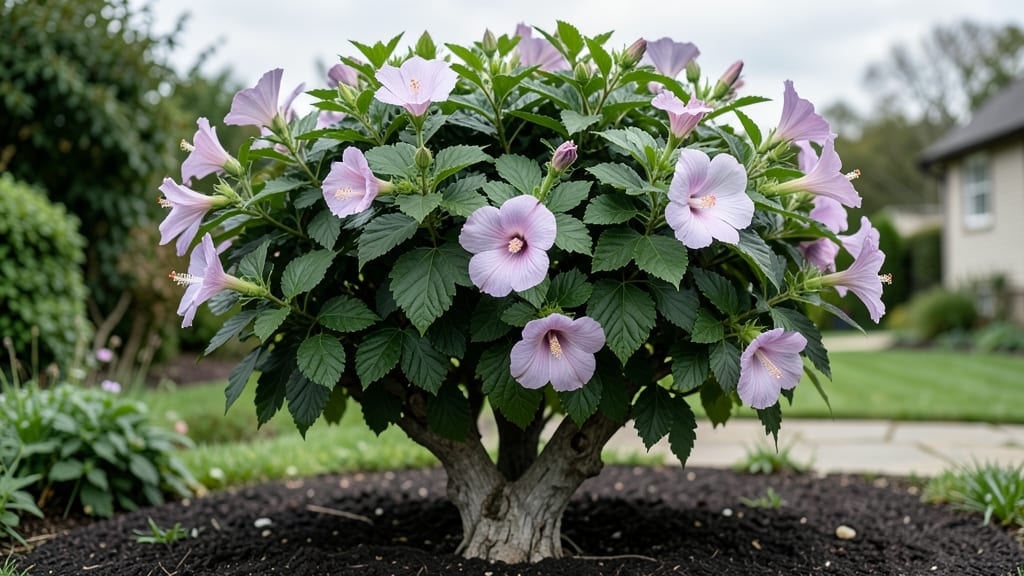
Shaping Althea 🌿 into a striking tree form gives your garden a bold, sculptural focal point while making future pruning a breeze.
Transforming your Althea from a wild, sprawling bush into an elegant tree form isn't just about aesthetics—it unlocks better airflow, easier maintenance, and even more dramatic blooms. But mastering this technique requires knowing the right pruning strategies for each growth style.
Whether you're working with a young Althea or reshaping an established shrub, the key lies in selective pruning to encourage a strong central leader while maintaining a balanced canopy. This approach not only creates that coveted tree silhouette but also promotes healthier growth and more abundant flowers.
In this guide, I’ll walk you through the step-by-step process of pruning for a tree-like structure, including when and how to make cuts, tools to use, and seasonal care tips to keep your Althea thriving in its new form.
How to prune Althea for a natural tree-like structure
Creating a tree-form Althea (Hibiscus syriacus) transforms your shrub into a stunning focal point. The key lies in selective pruning to encourage a single central leader while shaping the canopy. This method improves airflow, reduces disease risk, and produces more abundant blooms.
Start with young plants or reset mature ones—patience is key as it may take 2-3 years to achieve a refined tree shape.
Before you begin, gather your tools: sharp pruning shears, loppers for thicker branches, rubbing alcohol (to sterilize cuts), and pruning sealant (optional). Work on a dry, sunny day when the plant is actively growing.
Timing matters—late winter or early spring is ideal, just before new growth begins. For established plants, you can also prune lightly in summer after flowering.
- 1 Select Your Central Leader: Identify the strongest, straightest stem at the base. If no clear leader exists, choose the most vigorous shoot and train it upward by staking.
- 2 Remove Competing Branches: Cut out all other stems at the base using clean, angled cuts. Aim to leave only 2-3 secondary branches spaced evenly around the leader.
- 3 Shape the Canopy: Once your central leader reaches 3-4 feet tall, begin pruning the top to encourage branching. Cut back the leader by 1/3 to 1/2 to stimulate lateral growth.
- 4 Thin Out Dense Areas: Remove crossing or inward-growing branches to improve airflow. Focus on branches that are thinner than a pencil—these won’t contribute much to the structure.
- 5 Maintain the Structure: Every year or two, repeat steps 3-4 to keep the canopy balanced. Avoid over-pruning—the goal is to shape, not stunt growth.
- 6 Post-Pruning Care: Apply pruning sealant to large cuts (over 1 inch) to prevent disease. Water deeply and fertilize with a balanced 10-10-10 mix to support new growth.
When pruning for tree form, focus on selective removal rather than aggressive cutting. Althea responds well to gradual shaping, so avoid removing more than 25% of the plant’s foliage in a single session.
For mature plants, you may need to reset the structure by cutting back the central leader by half—this encourages vigorous regrowth and a denser canopy.
One common challenge is flopping stems in young tree-form Althea. To prevent this, install a stake or spiral support alongside the central leader during the first growing season.
Secure the stem loosely with soft ties and adjust as it grows. This not only supports the structure but also trains the plant to grow upright naturally.
Seasonal timing is crucial for success. Late winter or early spring (just before buds swell) is the best time to prune for tree form. This allows the plant to recover and grow before summer heat.
If you notice weak or leggy growth by mid-summer, do a light pruning to encourage bushier branching before the next growing season.
After pruning, monitor your Althea closely for signs of stress, such as yellowing leaves or wilting. These could indicate over-pruning or disease. If you see blackened cut edges, sterilize your tools immediately and apply fungicide.
Healthy tree-form Althea should show vigorous new growth within 4-6 weeks of pruning, with blooms appearing the following season.
For best results, combine pruning with regular maintenance throughout the year. Remove spent blooms in summer to encourage more flowers, and lightly shape the canopy in early fall to prepare for winter.
Mulch around the base with organic matter to protect roots and retain moisture—this supports the plant’s recovery after pruning.
With consistent care, your Althea will develop into a stunning, tree-like specimen that stands out in any garden. The reward? A low-maintenance, long-lived plant with dramatic blooms and improved health. Plus, tree-form Althea makes a perfect focal point for pathways, patios, or small
Bushy Althea pruning: when to keep the natural shrub form
Not every gardener wants a tree-like Althea—sometimes the natural shrub form is exactly what you need. This dense, bushy growth creates lush privacy screens, vibrant borders, and a prolific bloom display that tree forms can't always match.
The key to maintaining this form lies in strategic pruning that encourages lateral branching while keeping the plant compact.
Unlike tree forms that require heavy structural pruning, bushy Althea thrives on light annual pruning that focuses on shaping rather than restructuring. This approach preserves the plant's natural bushiness while controlling height and encouraging new growth from the base.
The best time to prune for a bushy form is late winter or early spring, just before new growth begins.
Bushy Althea Pruning: Pros & Cons
- Dense foliage blocks wind and noise
- More blooms from lateral branches
- Easier maintenance than tree forms
- Natural privacy for borders
- Faster recovery after pruning
- Requires annual pruning to maintain shape
- Can become leggy if overpruned
- Less structural interest than tree forms
- May need staking in windy areas
- Limited height control without heavy cuts
To maintain a bushy form, focus on selective pruning that removes only dead or crossing branches while encouraging outward growth. Use hand pruners to trim back 1/3 of the oldest stems each year, cutting just above a leaf node or outward-facing bud.
This stimulates new shoots from the base and lower branches, creating that signature bushy look.
For height control without sacrificing bushiness, practice tip pruning throughout the growing season. Simply pinch off the top few inches of new growth to encourage branching at lower levels.
This technique works especially well for young Althea plants and helps maintain a compact, rounded shape that's perfect for borders and foundation plantings.
Seasonal maintenance is crucial for preserving the bushy form. After late summer blooms, do a light cleanup prune to remove spent flowers and any weak or leggy growth.
In fall and winter, avoid heavy pruning—just remove any dead or diseased branches to keep the plant healthy for next year's growth.
One common mistake gardeners make is pruning too late in spring, which can remove potential blooms for the season. Always prune before buds swell in early spring to give new growth time to develop before summer heat arrives.
With the right approach, your Althea will reward you with years of lush, bushy growth and abundant flowers.