
Trees
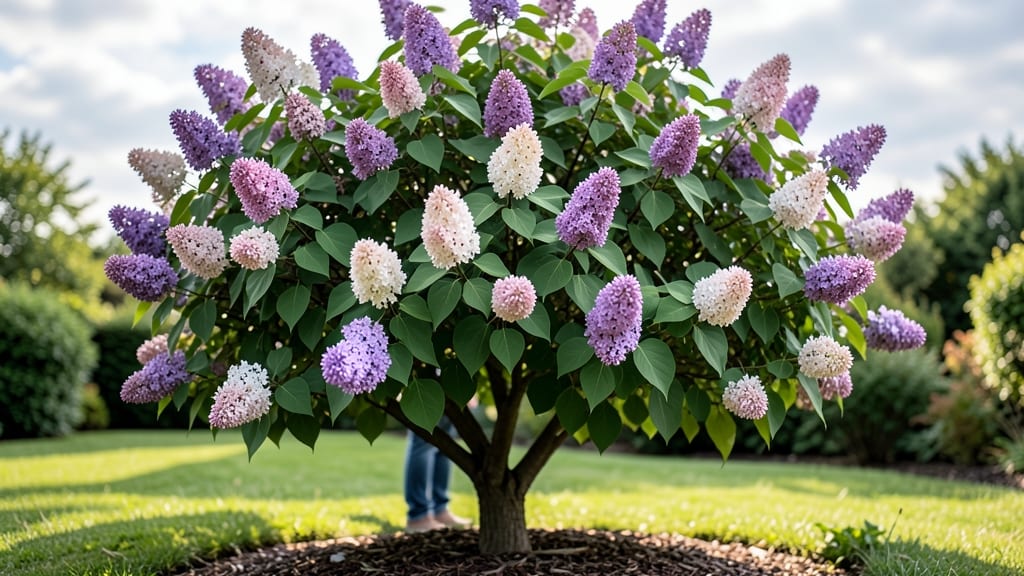
Lilac tree height ranges by popular variety (with growth expectations)
Choosing a lilac tree means balancing height expectations with your yard's size. Some varieties reach 15 feet tall, while others stay compact at just 4 feet. The difference often comes down to the species and cultivar—and how you prune it.
Whether you have a small urban garden or a sprawling backyard, there's a lilac perfect for your space.
Lilacs grow at different rates too. A standard lilac might take 3-5 years to reach maturity, while dwarf varieties can stay manageable in 2 years.
Understanding these growth patterns helps you plan for spacing and pruning from day one. Let’s break down the most popular types and their mature heights.
Pro Tip: Always check the spacing guidelines for your chosen variety. Planting lilacs too close together can lead to crowded growth and poor airflow, which invites pests and diseases. Aim for at least 5-10 feet of space between standard lilacs and 3-5 feet for dwarf types.
If you're working with a small yard, dwarf varieties like Miss Kim or Annabelle are game-changers. They fit neatly into patio gardens or even large containers, yet still deliver that classic lilac fragrance.
For larger landscapes, standard lilacs like Common or French varieties create stunning focal points or privacy screens.
One of the most exciting trends in lilacs today is the reblooming variety, like the Bloomerang. These produce flowers twice a year—once in spring and again in summer—making them a high-value pick for gardeners who want year-round interest.
Just be prepared for slightly slower initial growth compared to traditional lilacs.
How pruning affects lilac tree height: techniques for controlling growth
Pruning is the secret weapon for keeping your lilac tree at your ideal height. Without proper pruning, even dwarf varieties can grow taller than expected, while standard types may become unruly.
The key is understanding when and how to prune—timing matters more than you might think. For example, pruning at the wrong time can actually stimulate unwanted growth or reduce next year’s blooms.
Lilacs naturally grow between 8 to 15 feet at maturity, but with strategic pruning, you can maintain them as short as 4 to 6 feet. The goal is to shape the tree while preserving its health and flowering potential.
Overgrown lilacs often need rejuvenation pruning, while compact varieties benefit from light shaping cuts. Let’s break down the steps to control your lilac’s height effectively.
Step-by-Step Pruning Guide for Lilac Height Control
- Step 1: Choose the Right Time Prune immediately after flowering (late spring to early summer). This ensures you don’t cut off next year’s buds, which form after blooms fade. Avoid pruning in fall or winter, as this can stimulate weak growth that won’t survive cold snaps.
- Step 2: Assess Your Goals Decide if you want to reduce height, shape the tree, or rejuvenate an overgrown lilac. For height reduction, focus on cutting back up to 1/3 of the oldest stems to encourage new growth from the base.
- Step 3: Use the Right Tools Use clean, sharp pruners or a pruning saw for thicker branches. Disinfect tools with rubbing alcohol to prevent spreading disease between cuts.
- Step 4: Make Strategic Cuts For height control, cut just above a bud or branch junction at a 45-degree angle. Avoid cutting into old wood (wood older than 3 years), as it won’t produce new growth.
- Step 5: Thin Out Overcrowded Branches Remove 1-2 oldest stems at the base each year to improve airflow and reduce height. This also encourages bushier growth and more abundant blooms.
- Step 6: Rejuvenate Overgrown Lilacs If your lilac is too tall or leggy, perform rejuvenation pruning in stages over 2-3 years. Cut back 1/3 of the oldest stems each year, focusing on the tallest branches first.
- Step 7: Clean Up and Mulch Remove all pruned debris and apply a 2-inch layer of mulch around the base to retain moisture and suppress weeds. Avoid piling mulch against the trunk.
One common mistake is pruning too late in the season, which can leave lilacs vulnerable to frost damage. Another is cutting back new growth in the fall, as this can weaken the plant before winter.
Always prioritize bud health—new buds form on last year’s growth, so avoid heavy cuts on young stems.
For compact varieties like 'Little Leaf' or 'Minnesota Sky', focus on light shaping rather than drastic height reduction. These varieties naturally stay between 4 to 6 feet, so pruning should emphasize maintaining their rounded shape and removing only dead or crossing branches.
Regular pruning keeps them manageable for small gardens or containers.
Remember, lilacs are hardy and resilient, but they respond best to consistent care. With the right pruning techniques, you can enjoy fragrant blooms year after year while keeping your lilac at the perfect height for your space. Happy pruning! 🌸✂️🌿