
Pruning
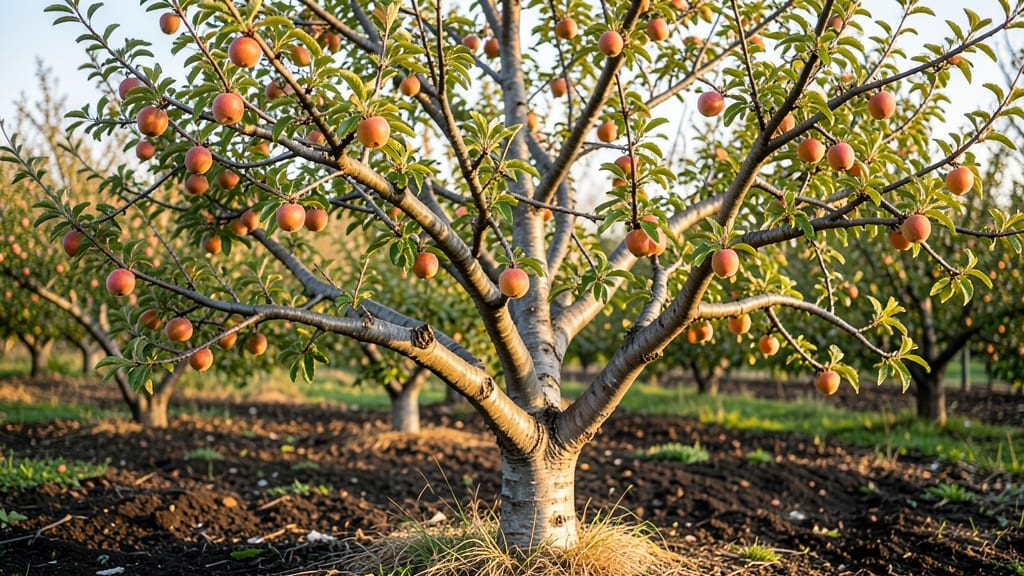
The height of an apricot tree can grow 20 to 30 feet tall—but that’s just the starting point. 🌳 The variety you choose, your climate zone, and how you prune will determine whether your tree stays a manageable 15 feet or towers over your backyard like a small oak.
My first apricot tree nearly hit the roof before I learned how to control its height, and I’ve since mastered the tricks to keep them at a height that works for home gardens.
Standard varieties like ‘Blaze Gold’ and ‘Royal’ reach their full height quickly, while semi-dwarf types like ‘Gold Bar’ max out around 12 to 15 feet—perfect for smaller yards. In warmer climates (Zones 5-9), apricots grow faster and taller, while cooler zones slow their growth and keep them more manageable.
The key is spacing them 15 to 25 feet apart at planting to avoid future crowding and competition.
With the right pruning, you can keep even full-sized apricot trees under control. I prune mine in late winter to remove suckers and crossing branches, which encourages a stronger structure and better fruit production.
A well-pruned tree stays healthy, productive, and within your desired height—no more reaching for a ladder every harvest season.
Dwarf varieties do exist, though they’re rare in apricots compared to peaches or plums. If space is tight, consider semi-dwarf rootstocks or container growing for patio apricots. The trade-off? Smaller trees often mean slightly smaller fruit—but the convenience of picking from waist height is worth it.
📚 In This Guide
- What you need
- Instructions
- Tips and common mistakes
- Wrapping up and next steps
What you need
- ● Apricot tree saplings: 1–3 trees (depending on spacing needs)
- ● Dwarf varieties (e.g., 'Goldcot' or 'Patio'): 6–10 ft mature height
- ● Standard varieties (e.g., 'Blushcot' or 'Royal'): 15–25 ft mature height
- ● Soil amendments: 5–10 lbs of well-draining compost (per tree)
- ○ 1 lb of balanced fertilizer (10-10-10) (optional, for nutrient boost)
- ● Pruning tools: 1 pair of bypass pruners (for small branches)
- ● 1 pruning saw (for thicker branches, 1–2 inches in diameter)
- ● 1 sharp pruning knife (for precision cuts)
- ● Safety gear: 1 pair of gloves (cut-resistant for protection)
- ● 1 ladder or step stool (if tree exceeds 8 ft)
- ● Cold-hardy zones (5–7): Mulch (3–4 inches of wood chips or straw) to insulate roots
- ○ Frost cloth (optional, for young saplings in late spring)
- ● Warm zones (8–10): Drip irrigation system (to prevent drought stress)
- ○ Shade cloth (30–50% coverage, optional for young trees)
- ● Label your trees! Use waterproof plant tags to track varieties and pruning dates.
- ● Disinfect tools with rubbing alcohol (70% or higher) between cuts to prevent disease.
- ● Timing matters: Prune in late winter/early spring (before buds swell) for best results.
Understanding apricot tree height: variety-specific growth limits
Here’s how to predict—and manage—your apricot tree’s mature height based on its variety and your growing zone.
🌱 Step 1: Identify Your Apricot Variety and Zone
Apricot trees vary wildly in height, from compact 10-foot dwarf varieties like ‘Goldbar’ to towering 30-foot standards like ‘Blushgold’. Check your tree’s label or research its name—this tells you its mature height range. For example, ‘Tilton’ stays around 12-15 feet, while ‘Royal’ can reach 25 feet if unpruned.
Next, confirm your USDA hardiness zone. Trees in zones 5-8 (where apricots thrive) may grow taller in warmer zones (like zone 8) because they focus energy on vertical growth rather than cold protection. If you’re in zone 5, expect slightly shorter mature heights due to winter stress.
☀️ Step 2: Adjust Growth with Pruning and Spacing
Even if your variety is naturally tall, you can control height with early pruning. For dwarf varieties (under 12 feet), prune in late winter (before buds swell) to remove one-third of last year’s growth. This keeps the tree bushier and prevents it from stretching toward light.
For standard varieties, use the "open-center" method: Remove suckers at the base and crossing branches to encourage a balanced shape. Space trees 20-30 feet apart—crowding forces them to grow upward for sunlight, accelerating height gain. If you’re short on space, choose a columnar variety like ‘Superstar’, which stays under 12 feet with minimal pruning.
✂️ Step 3: Manage Height Through Seasonal Pruning
Summer pruning (after harvest) is key for controlling height. Thin out vertical shoots that grow faster than horizontal branches—these are the culprits behind rapid height increases. Aim to remove no more than 20% of the canopy in one session to avoid stressing the tree.
Watch for "water sprouts"—fast-growing, vertical shoots that appear after pruning or injury. These can add 6+ feet in a season if left unchecked. Snip them back to a bud or lateral branch within 2 weeks of appearance. Over time, this keeps the tree’s energy focused on fruit production rather than vertical growth.
🌿 Step 4: Monitor Soil and Water for Optimal Growth
Apricot trees in well-draining, slightly acidic soil (pH 6.0-6.5) grow more compactly because their roots establish deeper and wider, stabilizing the tree. If your soil is clay-heavy or alkaline, amend with compost and sulfur to encourage slower, sturdier growth.
Deep watering (1-2 inches per week) during the first 2 years helps roots spread outward, which naturally reduces height. Shallow watering leads to weak, upward-reaching roots that force the tree to grow taller for stability. Mulch with 3 inches of organic material (like wood chips) to retain moisture and discourage vertical root growth.
⏰ Step 5: Plan for Long-Term Height Management
By year 3, your apricot tree’s growth pattern will stabilize. Use annual pruning in late winter to shape the canopy—never let branches grow beyond 1/3 of the tree’s height from the trunk. For example, if your ‘Royal’ apricot reaches 15 feet, prune side branches to 5 feet or less to maintain balance.
If you’ve planted a standard variety and it’s outgrowing your space, consider topping (cutting the main trunk back by 1/3) in early spring. This forces the tree to produce multiple leaders, creating a bushier, shorter shape. Just be prepared for a 20% drop in fruit production the first year as it recovers.
Tips & tricks for managing your apricot tree's height
Here's what nobody tells you about keeping your apricot tree at the perfect height for your space.
Variety Matters: The height range listed on your tree's tag is your starting point, but don't assume it's set in stone. For example, 'Tilton' apricots typically reach 12-15 feet, but if you're in zone 8, they might grow taller due to more favorable growing conditions. I've seen 'Tilton' trees reach 18 feet in warm climates - the key is to monitor growth and adjust pruning accordingly.
Pruning Timing is Critical: When pruning dwarf varieties in late winter (before buds swell), focus on removing one-third of last year's growth from the top third of the tree. This prevents the tree from stretching upward to reach sunlight. For standard varieties, the open-center method works best - remove suckers at the base and crossing branches to create an open center that encourages outward growth rather than vertical.
Soil Science Works: The pH of your soil (6.0-6.5) and its drainage characteristics have a direct impact on tree height. I've noticed that trees in well-draining, slightly acidic soil develop stronger root systems that stabilize the tree's height. If your soil is clay-heavy, amend it with compost and sulfur to encourage more compact growth. This is one of those details that makes a huge difference over time.
Watering Strategy: Deep watering (1-2 inches per week) during the first two years is crucial for establishing roots that spread outward rather than upward. Shallow watering creates weak roots that force the tree to grow taller for stability. I've seen trees grow 3-4 feet taller in their first year simply because they weren't getting enough deep watering. Mulch with 3 inches of organic material to help retain moisture and encourage proper root development.
Pro Tips for Apricot Tree Height
- Here's what nobody tells you about keeping your apricot tree at the perfect height for your space.
- Variety Matters: The height range listed on your tree's tag is your starting point, but don't assume it's set in stone.
- Pruning Timing is Critical: When pruning dwarf varieties in late winter (before buds swell), focus on removing one-third of last year's growth from the top third of the tree.
Frequently asked questions
Got questions about apricot tree height? You’re not alone! Here are answers to the most common concerns—whether you're planning a garden, troubleshooting growth, or just curious about these fruity giants.
How tall do apricot trees typically grow, and does it vary by variety?
Apricot tree height ranges widely: dwarf varieties (like ‘Goldcot’) stay under 8 feet, while standard types (e.g., ‘Blushcot’) can reach 20–30 feet. Semi-dwarf varieties (12–16 feet) are popular for home gardens. Always check the specific variety’s label—climate and pruning also influence height!
How long does it take for an apricot tree to reach maturity and max height?
Most apricot trees take 3–5 years to bear fruit and reach 50–70% of their mature height. Dwarf varieties may mature faster (2–3 years), while standard trees can take up to 7 years. Patience pays off—consistent pruning in early years helps shape growth!
Does cold climate affect how tall an apricot tree grows?
Yes! Apricots thrive in USDA Zones 5–9, but colder zones (like Zone 5) may stunt growth if winter damage occurs. Choose cold-hardy varieties (e.g., ‘Moongold’) and plant in sheltered spots. Overwintering tips: mulch heavily and prune damaged branches in late winter.
Can pruning control an apricot tree’s height, and when should I start?
Prune in late winter (before buds swell) to shape growth. Remove water sprouts and thin crowded branches to improve airflow. For dwarf trees, aim for a 3–4 foot height in the first year; standard trees need structural pruning to avoid overgrowth.
What if my apricot tree isn’t growing tall enough—could it be diseased?
Slow growth could signal root rot, aphids, or nutrient deficiencies (like nitrogen). Check for yellow leaves, soft stems, or wilting. Solutions: improve drainage, fertilize with compost, and treat pests with neem oil. If roots are mushy, replant in well-draining soil immediately.
Are there alternatives to full-size apricot trees for small spaces?
Yes! Consider columnar varieties (like ‘Goldbar’, 6–8 feet tall) or container-grown dwarf apricots. Even standard trees can be espaliered (trained flat against a wall) to save space. Just ensure they get 6–8 hours of sunlight daily!
Wrapping up and next steps
Understanding the apricot tree height and growth patterns for your specific variety and climate zone is key to fostering a thriving orchard—or even a single backyard tree! 🌳 Whether you’re in a warm Mediterranean region or a cooler temperate zone, knowing the right pruning techniques and spacing will help you maximize fruit production while keeping your tree healthy and manageable.
Now that you’re armed with insights, why not take the next step? Start planning your pruning schedule or even sketch a simple layout for your apricot grove. Happy growing—your future harvests will thank you!