
Pruning
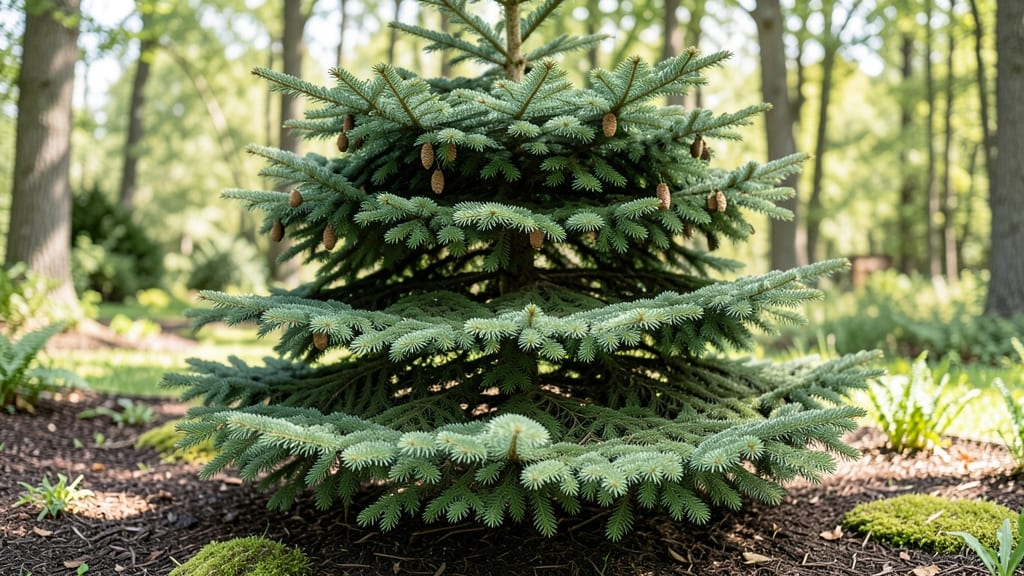
Pruning your arbor vitae tree care is the secret weapon for keeping it lush, disease-resistant, and full of life year after year. 🌿 I’ve watched my own arbor vitae go from a scraggly, browned mess to a vibrant, healthy evergreen—just by mastering a few key pruning techniques at the right times.
The difference isn’t just in how it looks, but in how it performs: fewer pests, stronger branches, and that signature emerald-green color that makes neighbors stop and stare.
Here’s the thing—arbor vitae trees are tough, but they do have preferences. You’ll need sharp pruners (not dull shears), a clear day to work, and a plan that avoids over-pruning.
The goal isn’t to turn it into a topiary masterpiece; it’s to encourage healthy growth by removing dead branches, shaping lightly, and keeping the center open for airflow. Most people overdo it in spring, but the real magic happens in late winter or early spring before new growth kicks in.
By the time summer rolls around, you’ll see the payoff: fuller foliage, fewer brown patches, and branches that hold their shape instead of sagging. The tree becomes more resilient to diseases like canker and bagworms, and those pesky twig blights?
They stand zero chance against a well-maintained arbor vitae. Plus, the scent—fresh, piney, and alive—is the best reward of all.
This works for both young trees and mature ones, though the techniques adjust slightly. If you’re in a colder zone, winter care is extra critical; in warmer areas, summer pruning can help manage heat stress.
Let’s get your arbor vitae thriving—no green thumb required, just the right moves at the right time.
📚 In This Guide
- What you need
- Instructions
- Tips and common mistakes
- Wrapping up and next steps
What you need
- ● Pruning shears: Bypass pruners (sharp, 6–8" blades) for clean cuts on small branches.
- ● Loppers: 1 pair (18–24" blades) for thicker branches (½"–1.5" diameter).
- ● Hand pruners: Anvil-style (for emergencies, but bypass is preferred).
- ● Pruning saw: Curved-tooth saw for branches >1.5" in diameter.
- ● Ladder: Extendable (12–16 ft) for tall trees (safety first!).
- ● Gloves: Heavy-duty, cut-resistant (e.g., Mechanix or gardening-specific).
- ● Disinfectant: 70% isopropyl alcohol or 10% bleach solution (1 part bleach to 9 parts water) to sterilize tools between cuts.
- ● Rake or broom: For clearing debris post-pruning.
- ○ Tree wound dressing: Optional—prune paint or sealant (e.g., Tanglefoot Tree Wound Pruning Seal) for large cuts (controversial but useful for pests/disease prevention).
- ● Weather check: Prune on a dry, calm day (avoid wind/rain).
- ● Safety glasses: Protect your eyes from debris.
- ● Long sleeves/pants: Shield against scratches and sun exposure.
- ● First-aid kit: For minor cuts or scrapes.
- ● Water: Stay hydrated—pruning can be a workout!
- ● 🔥 Sharpen your tools! Dull blades tear bark—ruining your tree’s health.
- ● 🌡️ Time it right: Best pruning times: Late winter/early spring (dormant season) or summer (avoid heavy pruning in fall/winter).
- ● ✨ Mark your cuts: Use chalk or tape to outline pruning lines for precision.
Step-by-step arbor vitae tree care for year-round health
Your arbor vitae thrives when you prune strategically—here’s how to keep it lush without stressing the tree.
⏰ Step 1: Time Pruning for Seasonal Needs
Prune arbor vitae in late winter or early spring (before new growth starts) to remove dead or diseased branches. This timing ensures the tree isn’t stressed during dormancy or flowering. Avoid heavy pruning in fall—it exposes the tree to winter dieback. Lightly shape branches in summer only if needed, but keep cuts minimal to prevent sunburn on fresh wounds.
Watch for brown, brittle branches—these are prime candidates for removal. Use clean, sharp pruners to make clean cuts just outside the branch collar (the swollen area where the branch meets the trunk). This prevents tearing and promotes faster healing. If you spot yellowing needles, that’s a sign of stress—prune lightly and focus on improving soil drainage instead.
✂️ Step 2: Remove Dead, Diseased, or Crossing Branches
Start by inspecting the tree from all sides for dead wood (branches that snap when bent or have no green needles). Cut these out first—they’re entry points for pests and disease. Next, remove any branches that cross or rub against others, as these create wounds that weaken the tree over time.
For diseased branches, sterilize your pruners with rubbing alcohol between cuts to prevent spreading pathogens. Look for discolored bark, fungal growth, or excessive sap—these are red flags. Never leave stubs; always cut back to the branch collar. Thin the canopy by 20-25% max—over-pruning stresses arbor vitae, leading to sparse growth.
☀️ Step 3: Shape for Airflow and Light Penetration
Arbor vitae needs open airflow to prevent fungal issues like needle blight. Aim to create a pyramidal shape by selectively removing inward-growing branches. Start at the outer edges and work inward, thinning branches that block light from reaching the lower canopy. This encourages even growth and reduces shade stress on the lower limbs.
Use a hand lens to check for buds along branches—these indicate where new growth will emerge. Avoid cutting back to a bare stem; always leave at least one healthy bud to sustain the branch. Step back frequently to visualize the tree’s silhouette. A well-shaped arbor vitae should have a balanced, upright form with no dense clusters.
💧 Step 4: Post-Pruning Care for Recovery
Water deeply right after pruning to help the tree recover. Arbor vitae has shallow roots, so 1-2 inches of water per week (more in drought) keeps it hydrated. Mulch the base with 2-3 inches of organic mulch (like shredded bark) to retain moisture and regulate soil temperature. Keep mulch 6 inches away from the trunk to prevent rot.
Monitor the tree for new growth in 4-6 weeks—this signals successful pruning. If you notice wilting or needle drop, reduce watering slightly and ensure the tree gets full sun to partial shade. Avoid fertilizing immediately after pruning; wait until new growth appears before applying a balanced, slow-release fertilizer in early spring.
🌱 Step 5: Year-Round Maintenance for Long-Term Health
Inspect your arbor vitae monthly for pests like spider mites (tiny webs between needles) or diseases like canker (sunken, oozing spots on bark). Treat pests with neem oil and diseases with fungicide as needed. In winter, gently brush off accumulated snow to prevent branch breakage—arbor vitae is semi-evergreen and can’t support heavy snow loads.
Real talk: Don’t over-prune. Arbor vitae grows slowly, and aggressive cuts can take years to recover. Stick to light shaping and focus on removing only what’s necessary. With consistent care, your tree will stay dense, disease-resistant, and vibrant for decades. The key is patience—small, strategic cuts yield the best results.
Tips & tricks for perfect arbor vitae tree care
Small adjustments make all the difference when pruning arbor vitae—here's how to avoid common mistakes and keep your tree thriving.
Seasonal Timing Matters: The late winter to early spring window is critical because arbor vitae is dormant and can handle pruning without stress. I learned this the hard way after seeing a tree I pruned in fall struggle through winter—it took years to recover. If you must prune in summer, limit cuts to absolute necessities and avoid midday heat to prevent sunburn on fresh wounds.
Branch Collar Technique: Always cut just outside the branch collar—the swollen area where the branch meets the trunk. This promotes faster healing and prevents unsightly stubs that invite disease. I use a hand lens to spot these collars clearly, especially on thicker branches. The cleaner the cut, the quicker the tree recovers.
Thinning Strategy: Focus on removing branches that cross or rub against others first—these create wounds that weaken the tree over time. Thin the canopy by no more than 20-25% total; arbor vitae grows slowly and can't recover from aggressive pruning. Step back frequently to visualize the tree's silhouette—you want an open, pyramidal shape that allows light and air to reach all branches.
Post-Pruning Recovery: Water deeply right after pruning to help the tree recover, especially important since arbor vitae has shallow roots. I've found that mulching with 2-3 inches of organic material (like shredded bark) right after pruning helps retain moisture and regulate soil temperature. Just keep the mulch 6 inches away from the trunk to prevent rot—this is a common mistake that can actually harm your tree.
Pro Tips for Arbor Vitae Tree Care
- Small adjustments make all the difference when pruning arbor vitae—here's how to avoid common mistakes and keep your tree thriving.
- Seasonal Timing Matters: The late winter to early spring window is critical because arbor vitae is dormant and can handle pruning without stress.
- Branch Collar Technique: Always cut just outside the branch collar—the swollen area where the branch meets the trunk.
Frequently asked questions
Got questions about keeping your arbor vitae thriving?
Here are answers to the most common concerns—from pruning timing to pest troubleshooting—so you can maintain a healthy, lush tree year-round.
When is the best time to prune arbor vitae trees?
Prune arbor vitae in late winter or early spring (before new growth starts) to avoid stressing the tree. Never prune in fall—it can encourage fungal diseases. For shaping, light pruning in summer is okay, but avoid heavy cuts. Pro tip: Use sharp tools to prevent tearing branches!
Can I prune arbor vitae in summer?
Yes, but only for light maintenance—never remove more than 25% of the foliage. Summer pruning can stress the tree and make it vulnerable to bagworms or spider mites. If you must prune, do it early morning or late evening to reduce heat stress. Stick to dead or overgrown branches.
Why are my arbor vitae branches turning brown?
Brown branches often signal bagworms, spider mites, or fungal diseases (like canker). First, inspect for pests—look for webbing or tiny eggs. Treat with neem oil or insecticidal soap. If fungal, prune affected areas 12 inches below the damage and sterilize tools. Prevention tip: Space trees for airflow!
Do arbor vitae trees need yearly pruning?
Not necessarily! Prune only when needed—typically every 2–3 years for shaping or to remove deadwood. Over-pruning weakens the tree. Focus on thinning out crowded branches to improve airflow and sunlight penetration. Goal: Keep the tree’s natural shape while promoting healthy growth.
What’s a good alternative if I don’t want to prune arbor vitae?
If pruning feels overwhelming, consider low-maintenance alternatives like Thuja occidentalis ‘Smaragd’ (compact arbor vitae) or Emerald Green Arborvitae—both need minimal trimming. For ground cover, try juniper ‘Blue Rug’. Bonus: These plants resist pests and diseases better than some arbor vitae varieties!
Wrapping up and next steps
Caring for your arbor vitae doesn’t have to be overwhelming—just consistent! With the right pruning techniques, proper tools, and a little seasonal attention, your tree will thrive year after year, boasting disease-resistant beauty and lush foliage. 🌿✨
Now that you’re armed with expert tips, grab those shears and get pruning! Start small—even a single branch trimmed with confidence makes a difference. For long-term success, consider scheduling a professional inspection every few years to keep your arbor vitae in top shape. Happy gardening!