
Pruning
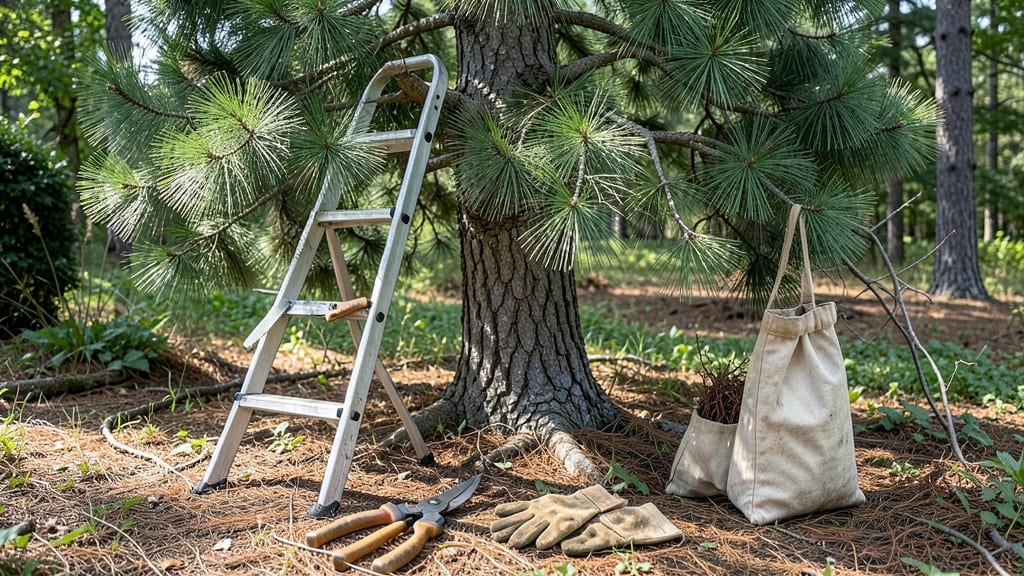
Dead branches on your pine tree don’t mean the whole tree is doomed—pruning precision can bring it back to life. 🌲 I’ve seen pines go from brown and brittle to vibrant green again, and it starts with understanding why those branches die in the first place.
Pine trees shed branches naturally as they age, but sudden dieback often signals stress—whether from drought, pests like bark beetles, or fungal infections. The key is spotting the difference: healthy branches are flexible and green inside when cut, while dead ones snap easily and reveal dry, brown centers.
A little detective work saves hours of unnecessary pruning later. With the right cuts—clean, angled snips just outside the branch collar—you’ll encourage new growth while protecting the tree’s health.
I’ll walk you through the tools, timing, and techniques that make even a struggling pine look strong and full again in just a few seasons. This works for all pine varieties, from towering pines to small ornamental ones. Let’s get your tree thriving!
Understanding Dead Branch Triggers
Dead branches on pine trees aren’t just an eyesore—they’re often a cry for help from your tree. Whether it’s due to natural aging, environmental stress, or pests, knowing the root causes helps you address the issue before it spreads.
Here’s a breakdown of the most common reasons your pine tree’s branches are turning brown and brittle:
Pine trees are tough, but extreme conditions can push them past their limits. When temperatures swing too high or too low, water becomes scarce, or humidity drops, branches struggle to stay alive.
- Drought or Overwatering Pines thrive in well-draining soil, but too little or too much water disrupts nutrient flow. Roots can’t absorb moisture efficiently during droughts, leading to xylem cavitation—where air bubbles block water transport, causing branches to dry out from the top down.
Conversely, soggy soil suffocates roots, preventing them from delivering essential nutrients to the canopy.
- Temperature Extremes Sudden freezes or heatwaves can denature enzymes in pine needles, halting photosynthesis. Young, tender branches are especially vulnerable. In cold snaps, ice encasement (frost forming on branches) can physically crush delicate tissues, while scorching summer heat accelerates moisture loss, turning branches crispy.
- Wind and Mechanical Damage Pines are wind-resistant, but persistent storms or heavy snow can abrasion-prone branches, stripping bark and exposing wood to pathogens. Even a single violent storm can snap branches, leaving them susceptible to disease or further breakage.
Pine trees are a buffet for insects, fungi, and bacteria—each with a unique way of turning branches into kindling.
- Bark Beetles and Borers These tiny invaders tunnel into the phloem and cambium layers, disrupting the tree’s vascular system. Mountain pine beetles (a notorious culprit) release blue-stain fungi as they bore, blocking nutrient transport. Infested branches often turn reddish-brown and fall off easily.
- Fungal Infections Pathogens like Diplodia tip blight or white pine blister rust thrive in moist conditions, creating cankers (sunken, dead patches) that girdle branches. Fungal hyphae clog xylem vessels, starving the branch of water and nutrients. Look for sawdust-like frass or orange-brown fungal mats on affected limbs.
- Needle Cast Diseases Fungi like Lophodermium seditiosum (Dothistroma needle blight) target needles first, but if left unchecked, they spread to branches. Infected needles drop prematurely, weakening the branch’s ability to photosynthesize and leading to dieback (progressive branch death).
Even healthy pines shed branches as they age—but when it happens prematurely, it’s a sign of deeper issues.
- Senility and Thinning Pines naturally self-prune older, inner branches to focus energy on the outer canopy. However, if you see massive dieback in mature trees, it may indicate nutrient deficiency (e.g., low nitrogen or magnesium) or root decline from compacted soil.
- Root Rot and Soil Issues Waterlogged or compacted soil restricts root growth, leading to starvation. Without a robust root system, branches can’t absorb enough water or minerals, causing hydraulic failure—where the tree can’t sustain its own weight, leading to branch drop.
- Chemical Burn or Herbicide Damage Accidental overspray with herbicides or salt buildup (from deicing or poor irrigation) can desiccate foliage and kill branches. Symptoms include yellowing needles followed by brown, brittle limbs.
💡 Pro Tip: If you’re unsure whether branches are dead or dormant, perform the scratch test: Scrape a small section of bark. If it’s green underneath, the branch is alive; if it’s brown or dry, it’s time to prune.
For severe infestations (like beetles or rust), consult a certified arborist—some diseases require fungicidal treatments or cultural fixes (like improving drainage).
Reviving Your Pine Tree Step By Step
Revitalizing a pine tree with dead branches isn’t just about aesthetics—it’s about restoring health, safety, and longevity. Whether your tree is struggling from disease, pests, or environmental stress, targeted action can bring it back to life.
Below, we break down practical solutions for each common cause, along with prevention tips to keep your pine thriving.
**🔥 Cause: Natural dieback, storm damage, or aging If branches are completely brown, brittle, or devoid of needles, they’re dead and must be removed. Improper pruning can harm the tree, so follow these steps:
- 👨🍳 Step 1: Identify Dead Wood Gently shake branches—dead ones will rattle or fall off. Look for no needles, cracked bark, or fungal growth.
- 🔪 Step 2: Use the Right Tools
- Loppers for medium branches (½ to 2 inches).
- Pole saw or chainsaw for thick, high branches (wear safety gear!).
- Make a
💡 Pro Tip: Never remove more than 25% of the tree’s foliage in one session—this stresses pines. Spread pruning over 2-3 years if needed.
🍄 Cause: Needle blight, root rot, or canker diseases If dead branches appear alongside yellowing needles, oozing sap, or mushroom growth at the base, a fungal or bacterial infection may be to blame.
- 🌡️ Step 1: Confirm the Diagnosis
- Root rot? Check for mushrooms at the base or a spongy, foul-smelling trunk.
- Canker? Identify sunken, discolored patches on the bark.
- For
🐜 Cause: Bark beetles, spider mites, or pine sawflies If dead branches appear alongside tiny holes in bark, webbing, or chewed needles, pests are likely the culprit.
- 🔍 Step 1: Identify the Pest
- Spider mites? Check for fine webbing on needles.
- Pine sawflies? Spot chewed needles that look like "sawdust."
🌞 Cause: Overwatering, drought, or poor soil Pines thrive in well-draining, slightly acidic soil. If branches die back due to waterlogged roots or extreme dryness, adjust care immediately.
- 💧 Step 1: Check Soil Moisture
- Stick your finger
- If dry, water deeply (1–2 inches per week) but avoid flooding the root zone.
- Young pines need
💡 Pro Tip: Pines hate competition! Remove weeds or grass within 3 feet of the trunk to reduce moisture theft.
Once your pine is back on track, keep it healthy with these long-term strategies:
✅ Prune annually in late winter/early spring (before new growth). ✅ Monitor for pests—catch infestations early. ✅ Test soil pH (ideal: 4.5–6.0) and amend with sulfur if too alkaline. ✅ Avoid heavy fertilizers—pines prefer low-nitrogen, high-potassium blends.
🌲 Final Thought:* A pine tree’s dead branches don’t mean the end—they’re a call to action. With the right pruning, treatments, and care, your tree can bounce back stronger than ever. Start today, and watch your pine regain its lush, green glory!**
Frequently asked questions
How can I tell if a pine branch is truly dead?
Use the scratch test: Scrape a small section of bark. If it’s green underneath, the branch is alive. Dead branches will be brown and dry inside. You can also gently shake the branch—if it rattles or falls off, it’s dead.
Is it safe to prune dead branches in winter?
Yes, winter (late December to early March) is the best time to prune pine trees. The tree is dormant, so it won’t experience stress from large cuts. Just avoid pruning during extreme cold snaps or when the ground is frozen.
What should I do if my pine tree has dead branches but no obvious cause?
Start with proper pruning to remove dead wood, then check for underlying issues like root rot or nutrient deficiencies. Test your soil’s pH and drainage—pines prefer slightly acidic, well-draining soil. If problems persist, consult a certified arborist.
Can I use a chainsaw for small pine branches?
No, chainsaws should only be used for thick, high branches (over 2 inches in diameter). For smaller branches, use bypass pruners or loppers. Always wear safety gear and sterilize your tools between cuts to prevent disease spread.
How often should I prune my pine tree?
Prune your pine tree once a year, ideally in late winter or early spring. Remove only dead or diseased branches—never prune more than 25% of the tree’s foliage in a single session. Regular maintenance keeps your pine healthy and looking its best.