
Pruning
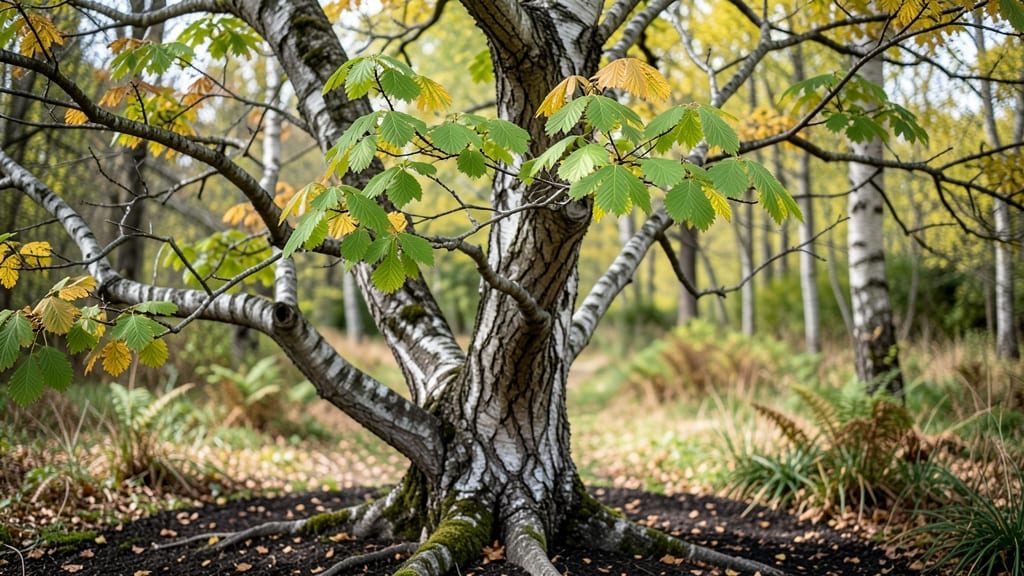
Ash tree branches need careful handling—one wrong cut can weaken your tree or invite pests like the emerald ash borer. 🌳 I’ve pruned dozens of ash trees, and the difference between a healthy specimen and one struggling with dieback comes down to timing, technique, and knowing what to watch for.
Start by removing dead, diseased, or crossing branches first—these are the biggest threats. Use sharp tools and make clean cuts just outside the branch collar to avoid tearing bark, which slows healing. Ash trees are especially vulnerable to fungal infections through wounds, so sterilize your pruners between cuts.
You’ll notice healthier growth and fewer pests when you prune in late winter or early spring, before borers become active. Thin the canopy to improve airflow, which reduces moisture buildup and fungal risks. A well-pruned ash tree can live for decades with the right care.
For emerald ash borer concerns, inspect for D-shaped exit holes or serpentine galleries under bark. If you spot signs, consult a local arborist—chemical treatments may be needed. Regular pruning keeps your tree strong enough to fight off invasions naturally.
📚 In This Guide
- What you need
- Instructions
- Tips and common mistakes
- Wrapping up and next steps
What you need
- ● Pruning shears or lopers: Bypass pruners (for branches up to ½ inch thick) or lopers (for branches up to 2 inches thick).
- ● Pruning saw: Curved-tooth saw for branches 2–4 inches thick; replaceable blades recommended.
- ● Pole saw or pruning pole: Extendable saw (10–16 ft) for high branches; lightweight aluminum preferred.
- ● Ladder: Sturdy, extension ladder (20–30 ft) with non-slip feet; never stand on the top rungs.
- ● Safety gear: Work gloves (cut-resistant, size medium/large)
- ● Safety glasses (ANSI Z87.1 rated)
- ● Hard hat (if branches are dense or over 30 ft tall)
- ● Ear protection (if using a chainsaw)
- ● Disposable bags or tarp: Heavy-duty contractor bags (30–50 gallon) or a tarp for debris collection.
- ● Rope or harness system: For branches over 3 inches thick; 3/8-inch static rope or a professional climbing harness.
- ● First-aid kit: Basic kit with antiseptic wipes, bandages, and tweezers.
- ● Chainsaw: For large branches (3+ inches); 20-inch bar with sharp chain for clean cuts.
- ● Stump grinder or axe: For removing large stumps post-pruning.
- ○ Tree wound dressing: Pruning sealant (optional; research shows mixed results for ash trees).
- ● Marking spray or paint: Bright-colored spray to mark branches for removal (e.g., pink or yellow).
- ● Helper or spotter: An extra pair of hands (or eyes) for safety and efficiency.
Step-by-step guide to pruning ash tree branches
Here's how I safely remove branches and keep your ash tree healthy year-round.
✂️ Step 1: Identify Branches for Removal
Start by examining your ash tree for branches that need pruning. Look for dead, diseased, or crossing branches—these are the first to go. Dead branches are usually grayish-brown and snap easily when tested. Diseased branches may have black spots, fungal growth, or oozing sap. Crossing branches rub against each other, creating wounds that invite pests.
Next, target weak or storm-damaged branches—these are often leaning at odd angles or have broken bark. I also remove suckers (shoots growing from the base or trunk) because they drain energy from the main tree. Use a pruning saw or loppers for branches thicker than 1 inch—never use them for branches larger than 3 inches in diameter.
🌿 Step 2: Prune at the Right Time and Technique
Ash trees bleed sap most heavily in late winter or early spring, so I prune after the tree flowers but before new growth starts—usually February to early March in most climates. For emergency pruning (like storm damage), remove branches anytime, but avoid heavy cuts during active growth periods.
Make clean cuts just outside the branch collar (the swollen area where the branch meets the trunk). For branches under 1 inch thick, use bypass pruners. For larger branches, start with a bottom cut about 12-18 inches out from the trunk to reduce weight, then make the final cut just outside the collar. Never leave stubs—they invite decay and weaken the tree.
☀️ Step 3: Remove and Dispose of Branches Safely
After cutting, lower branches to the ground one at a time to avoid damaging the tree or injuring yourself. I use a pruning rope or pulley system for branches over 4 inches thick—never drop them. Once on the ground, remove all leaves and small twigs to reduce weight and make disposal easier.
Dispose of diseased branches immediately in a sealed trash bag—don’t compost them. Healthy branches can be chipped for mulch or used for firewood. If your tree has emerald ash borer (a common pest), burn or bury infested wood at least 10 feet away from the tree to prevent spreading the beetle.
🪴 Step 4: Seal Wounds and Monitor the Tree
Ash trees don’t need wound dressing (like paint or sealant)—modern research shows it can trap moisture and cause rot. Instead, let the tree’s natural callus tissue form over cuts. After pruning, water deeply to help the tree recover, especially if the season is dry.
Watch for new growth in 4-6 weeks—this means the tree is healing well. If you see yellowing leaves, wilting, or oozing sap near pruning cuts, the tree may be stressed or infected. In that case, contact a certified arborist for further inspection. I also recommend fertilizing in early spring with a balanced, slow-release formula to support recovery.
⏰ Step 5: Schedule Seasonal Maintenance
Ash trees benefit from light pruning every 2-3 years, but heavy pruning should be done no more than once every 5-7 years. Mark your calendar for late winter each year to assess the tree’s health and plan cuts. If your tree is young (under 10 years), focus on shaping and removing deadwood—avoid heavy pruning that could stunt growth.
In summer, do a quick check for new suckers or water sprouts (fast-growing vertical shoots) and prune them immediately. These compete with the main branches for nutrients. If your tree is in an urban area, consider professional pruning for large branches near power lines or roofs—safety first!
Tips & tricks for pruning ash tree branches like a pro
Here's what nobody tells you about keeping your ash tree healthy after pruning—these details make all the difference.
Branch Identification: I learned this the hard way after removing perfectly healthy branches—always test branches by gently bending them. If they snap with a dry crack, they're dead. Look for grayish-brown color and no green underneath the bark. For diseased branches, check for black fungal spots or oozing sap—these need immediate removal to prevent spread. Crossing branches are sneaky; they might look fine but create wounds that weaken the tree over time.
Seasonal Timing: The ideal February-March window matters because ash trees are most vulnerable during active growth. If you must prune outside this window, do it during dormant periods (late fall or early winter) to minimize sap loss. For emergency pruning after storms, remove damaged branches immediately, but avoid heavy cuts—just focus on removing what's broken or hanging dangerously.
Cutting Technique: That bottom cut 12-18 inches out from the trunk is your secret weapon. It reduces branch weight and prevents tearing when you make the final cut. Always cut just outside the branch collar—never leave stubs, even if they look small. I've seen stubs turn into rot pockets over time, and they're nearly impossible to remove later without damaging the tree. Use a sharp saw or loppers to make clean cuts that heal faster.
Post-Pruning Care: Watch for new growth in 4-6 weeks as your signal that everything's healing properly. If you notice yellowing leaves or excessive sap near cuts, your tree might be stressed. In that case, water deeply and consider a balanced, slow-release fertilizer in early spring. I've found that young ash trees (under 10 years) bounce back fastest with just light pruning—don't overdo it, even if the tree looks robust.
Pro Tips for Ash Tree Branches
- Here's what nobody tells you about keeping your ash tree healthy after pruning—these details make all the difference.
- Branch Identification: I learned this the hard way after removing perfectly healthy branches—always test branches by gently bending them.
- Seasonal Timing: The ideal February-March window matters because ash trees are most vulnerable during active growth.
Frequently asked questions
Got questions about managing ash tree branches?
Here are answers to the most common concerns—from timing and tools to safety and alternatives.
When is the best time to prune ash tree branches?
The ideal time is late winter or early spring (just before buds swell) to minimize stress on the tree. Avoid pruning in fall, as wounds may not heal before winter. If you must prune in summer, do so only if necessary (e.g., for safety hazards) and keep cuts small to reduce sap loss.
How do I safely remove large ash tree branches?
For branches over 3 inches thick, never climb or use a ladder—hire a certified arborist. If DIYing smaller branches, wear gloves, eye protection, and use a pruning saw (not a chainsaw) for clean cuts. Make the first cut undercutting the branch collar, then top-cut just outside the branch bark ridge.
Can I burn or compost ash tree branches after pruning?
Check local regulations first—burning branches is often illegal due to fire hazards and smoke. For composting, chip or shred branches into small pieces (under 4 inches) and mix with green waste (like grass clippings) to balance carbon-to-nitrogen ratios. Avoid piling whole branches, as they decompose slowly.
Should I be worried about pests or disease after pruning?
Ash trees are prone to emerald ash borer (EAB) and fungal diseases like ash anthracnose. Sterilize tools with 70% rubbing alcohol between cuts to prevent spreading pathogens. Inspect branches for signs of infestation (e.g., D-shaped exit holes) and report suspicious activity to your local agricultural extension office.
What are good alternatives if I don’t want to prune my ash tree?
If pruning feels overwhelming, consider mulching around the base (keep 6 inches away from the trunk) to retain moisture and reduce stress. Regularly remove fallen branches/debris to prevent pests, and monitor for signs of decline. For long-term health, selective pruning (removing only dead/diseased limbs) can work—but avoid heavy pruning.
Wrapping up and next steps
Caring for your ash tree branches doesn’t have to be overwhelming—just follow the right steps! Whether you’re pruning for safety, health, or aesthetics, timing, technique, and tools are your best allies. With the right knowledge, you’ll keep your tree thriving while avoiding common pitfalls like disease or over-pruning.
Ready to take action? Start small—assess your tree’s needs, gather your tools, and tackle one branch at a time. 🌳✨ And if you’re unsure? Consult a local arborist for expert guidance. Your tree (and your peace of mind) will thank you!