
Flowers
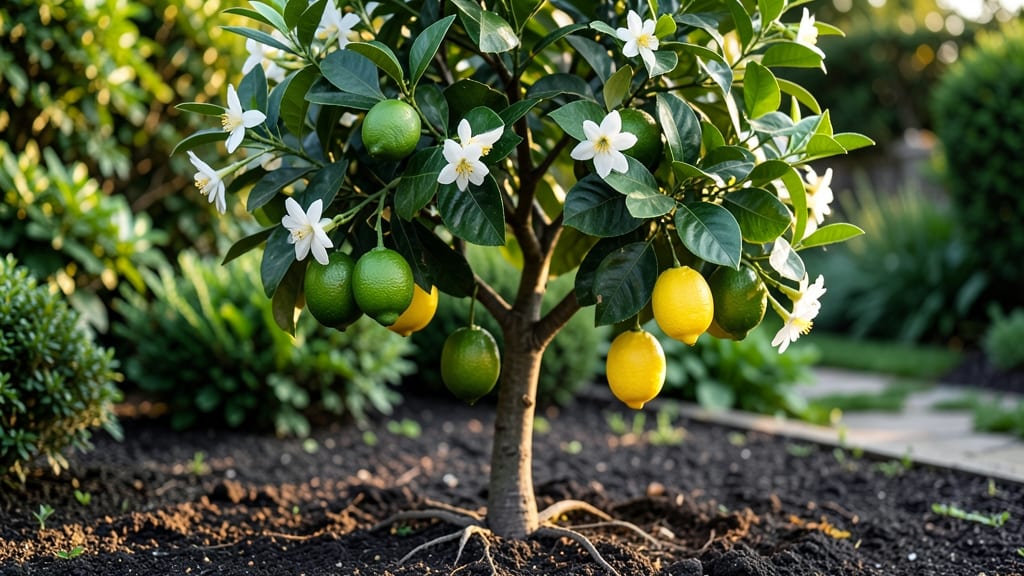
Citrus tree flowers smell like sunshine in a bottle—sweet, heady, and impossible to resist. 🌸 I’ve watched my Meyer lemon tree burst into bloom every spring, and once you experience that fragrance, you’ll understand why citrus growers obsess over their flowering habits.
The secret isn’t complicated: it’s about light, timing, and a little pruning magic.
These trees thrive in full sun—at least 6-8 hours daily—and need well-draining soil to avoid root rot, which can kill blooms before they open.
Most people overlook temperature too: citrus flowers drop if nights dip below 50°F, so protect young blooms with frost cloth if you’re in a cooler zone. The right balance turns a struggling tree into a fragrant showstopper.
By pruning in late winter, you’ll encourage fresh growth that blooms heavier and earlier than unpruned trees. Snip just above a leaf node, and watch new shoots form—each one a potential flower cluster. The payoff? A tree so lush with blossoms, you’ll want to bottle the scent.
Even in small spaces, container-grown citrus can flower reliably. Just match the pot size to the tree’s age—5-gallon pots for young trees, 15+ gallons for mature ones—and keep roots from circling.
The first year might be shy, but patience wins: a well-cared-for citrus tree rewards you with years of fragrant blooms.
📚 In This Guide
- What you need
- Instructions
- Tips and common mistakes
- Wrapping up and next steps
What you need
- ● Citrus tree: Seedling or bare-root sapling (e.g., Citrus × aurantium for bitter orange or Citrus sinensis for sweet orange) OR
- ● Mature citrus tree (3–5 years old for faster flowering)
- ● Well-draining soil: 50% native soil + 50% organic mix (e.g., compost, coconut coir, or peat moss). pH 6.0–7.0 (test with a soil kit).
- ● Container (if potted): 15–25 gallon pot with drainage holes (terracotta or fabric preferred).
- ● Fertilizer: Balanced 10-10-10 or 6-6-6 fertilizer (for seedlings)
- ● Citrus-specific 8-3-9 fertilizer (for mature trees, high in potassium for blooms)
- ● Mulch: 2–3 inches of organic mulch (e.g., wood chips, straw) to retain moisture.
- ● Watering tools: Drip irrigation system OR watering can with narrow spout (1–2 gallons capacity)
- ○ Moisture meter (optional but helpful for container plants)
- ● Pollination aid: Soft paintbrush or bee-friendly habitat (e.g., nearby flowering plants).
- ● Pest control: Neem oil spray, horticultural oil, or insecticidal soap.
- ● Pruning tools: Bypass pruners (sterilized with rubbing alcohol) and sharp bypass loppers.
- ● Sun protection: Shade cloth (30–50%) for seedlings in hot climates.
- ● Growth regulators: Floralinit® or citrus bloom booster (follow label instructions).
Step-by-Step instructions for encouraging citrus tree flowers
Here's how to coax those fragrant citrus blossoms into full bloom with minimal fuss.
🌱 Step 1: Select a Healthy, Mature Tree
Choose a citrus tree that's at least 3-5 years old—younger trees focus energy on growth, not flowers. Look for a specimen with thick, glossy leaves and no signs of pests or disease. I always check for small, round buds along the branches, as these indicate the tree is mature enough to flower.
If you're working with a container tree, ensure it's in a 12-15 gallon pot—smaller pots restrict root growth and delay flowering. The tree should have visible roots circling the bottom of the pot, signaling it's ready for the next phase of care.
☀️ Step 2: Provide Ideal Light and Temperature
Citrus trees need full sun exposure—at least 8-10 hours daily—to trigger flowering. Place your tree near a south-facing window or under grow lights if indoors. You'll notice leaves turning pale or stems stretching toward light? That's a sign it's not getting enough intensity.
Maintain temperatures between 60-80°F during the day and 55-65°F at night. Citrus trees are sensitive to cold drafts, so avoid placing them near doors or AC vents. If you live in a cooler climate, bring potted trees indoors before temperatures drop below 50°F—sudden chills shock the tree and halt blossom formation.
💧 Step 3: Water and Fertilize Strategically
Water deeply every 7-10 days, allowing the top 2-3 inches of soil to dry out between waterings. Overwatering causes root rot, which weakens the tree and prevents flowering. Stick your finger in the soil—if it feels damp past your first knuckle, wait another day before watering.
Feed your tree with a balanced citrus fertilizer (equal parts nitrogen, phosphorus, and potassium) every 4-6 weeks during spring and summer. I switch to a low-nitrogen, high-phosphorus formula in late summer to encourage blooming. Avoid fertilizing in fall or winter, as the tree enters a dormant phase.
✂️ Step 4: Prune and Encourage Blooming
Prune your tree in late winter or early spring before new growth begins. Remove dead, diseased, or crossing branches to improve airflow and sunlight penetration. Cut just above a leaf node (the bump where leaves attach) to encourage new growth. Avoid heavy pruning—citrus trees flower on older wood, so don't trim more than 20-25% of the canopy at once.
To boost flowering, I give my trees a light trim in late summer to reduce leafy growth and redirect energy toward bud formation. You'll see tiny pink or white buds forming along the branches—these are your future blossoms. Avoid pruning after September, as new growth won't harden off before winter.
🌿 Step 5: Protect and Maintain for Continuous Blooms
Watch for aphids, scale, or spider mites—these pests suck sap and weaken the tree, reducing flowering. Spray infested areas with neem oil or insecticidal soap at the first sign of trouble. A healthy tree resists pests, so consistent care is your best defense.
If your tree isn't flowering after a year, it may need a rest period. Reduce watering in fall and winter and stop fertilizing entirely. Many citrus trees bloom twice yearly—once in spring and again in fall—so patience is key. Keep the environment stable, and those fragrant blossoms will come.
Tips & tricks for encouraging citrus tree flowers
Here's what I learned after years of growing citrus trees—simple tweaks that make all the difference.
Light and Temperature Secret: Those 8-10 hours of sunlight are non-negotiable, but here's the thing: if your tree isn't getting direct sun, supplement with grow lights 12-14 inches above the canopy for 10-12 hours daily. I've seen trees in north-facing windows bloom beautifully with this extra light boost. The nighttime temperature drop to 55-65°F is just as important—it mimics natural seasonal changes that trigger flowering hormones.
Pruning Timing Matters: That late winter/early spring pruning in Step 4 is your chance to shape the tree for maximum blooms. Look for branches growing inward or crossing—these compete for sunlight and energy. When you see those tiny pink or white buds forming in late summer, that's your cue to do a light trim to redirect energy toward them. I usually trim just enough to open up the canopy without removing more than 15% of the foliage.
Watering Wisdom: The 7-10 day watering schedule works best when you check soil moisture at the same time each week. I test by sticking my finger 2-3 inches deep—if it feels damp past my first knuckle, I wait. Overwatering is the #1 reason citrus trees refuse to flower. For container trees, I add a moisture meter to avoid guesswork, especially in humid climates where soil stays damp longer.
Fertilizer Switch Strategy: That switch to low-nitrogen, high-phosphorus fertilizer in late summer is a game-changer. Phosphorus is what helps roots develop strong energy reserves for flowering. I make the switch in early August and see buds forming within 6-8 weeks. Pro tip: Mix your fertilizer with water and apply it to the soil surface rather than pouring it directly on the roots—this prevents burn and ensures even distribution.
Pro Tips for Citrus Tree Flowers
- Here's what I learned after years of growing citrus trees—simple tweaks that make all the difference.
- Light and Temperature Secret: Those 8-10 hours of sunlight are non-negotiable, but here's the thing: if your tree isn't getting direct sun, supplement with grow lights 12-14 inches above the canopy for 10-12 hours daily.
- Pruning Timing Matters: That late winter/early spring pruning in Step 4 is your chance to shape the tree for maximum blooms.
Frequently asked questions
Got questions about nurturing those stunning citrus tree flowers? You’re not alone! Here are answers to the most common queries—from timing to troubleshooting—so you can keep your citrus blooms thriving.
When do citrus trees typically flower?
Most citrus trees bloom in late winter to early spring (January–March), but varieties like meyer lemon or calamondin may flower year-round in warm climates. Cooler weather often triggers blooms, while hot summers can pause flowering. Pro tip: Prune lightly after blooming to encourage new growth and future flowers!
Why aren’t my citrus flowers opening?
Cold snaps (<32°F/0°C) can damage buds, while nutrient deficiencies (like lack of phosphorus or zinc) or overwatering may stunt blooms. Check for pests (aphids, spider mites) too—they sap energy from the tree. Try this: Apply a balanced fertilizer in early spring and ensure well-draining soil.
Can I grow citrus flowers indoors?
Yes! Dwarf citrus varieties (like calamondin or kumquat) thrive indoors near sunny windows or under grow lights. Keep humidity high (mist leaves or use a pebble tray) and avoid drafts. Just know: Indoor trees may bloom less than outdoor ones due to limited light and space.
Will citrus flowers turn into fruit?
Not always! Flowers need cross-pollination (or self-pollination in some varieties) and warm weather (60–85°F/15–29°C) to set fruit. If blooms drop early, it could signal stress (overwatering, pests, or temperature swings). Fun fact: Some flowers (like those on satsuma mandarins) are parthenocarpic—they produce fruit without pollination!
What’s the best fertilizer for citrus flowers?
Use a balanced citrus fertilizer (6-6-6 or 8-3-9 ratio) in early spring to boost blooms, then switch to a low-nitrogen, high-phosphorus formula (like 7-9-5) when buds form. Avoid high-nitrogen fertilizers—they promote leaves over flowers. Quick guide:
| Season | Fertilizer Type | Frequency |
|---|---|---|
| Early Spring | Balanced (6-6-6) | Every 4–6 weeks |
| Bloom Time | High-P (7-9-5) | Monthly |
| Summer/Fall | Low-N (5-10-10) | Every 2 months |
Wrapping up and next steps
Watching your citrus tree burst into fragrant, colorful blooms is one of the most rewarding parts of gardening! 🌸 With the right care—sunlight, well-draining soil, and a little patience—you can enjoy stunning citrus flowers year-round.
Whether you’re growing lemons, oranges, or grapefruits, these blossoms aren’t just beautiful; they’re a promise of delicious fruit to come.
Ready to take the next step? Start by monitoring your tree’s health—prune gently, fertilize wisely, and protect those blooms from pests. And if you’re feeling inspired, why not share your citrus tree’s progress with fellow gardeners? Happy growing! 🌱✨