
Diseases
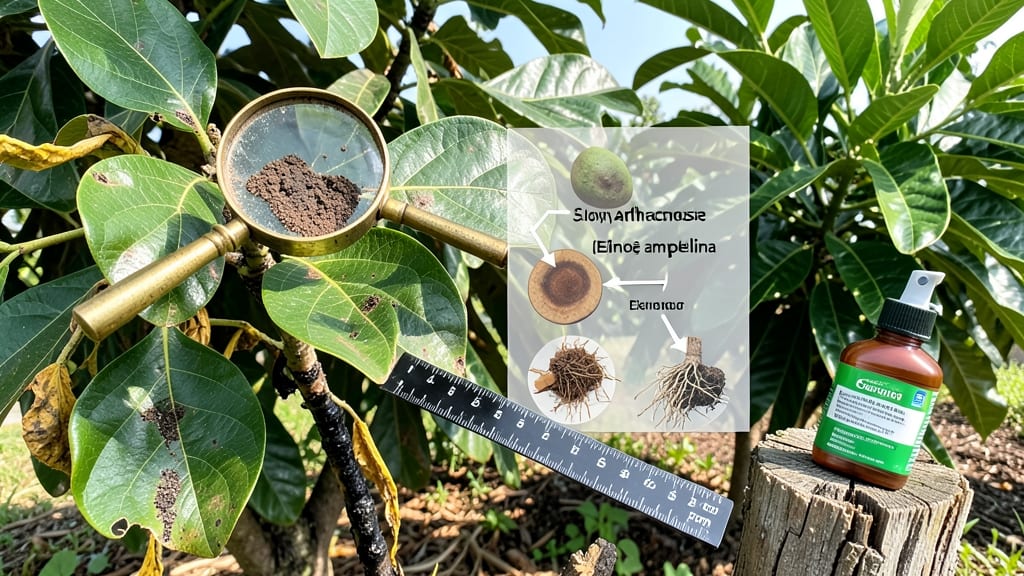
Spotting avocado tree diseases early with the right pictures saves your tree—and your patience. 🌿 I’ve seen anthracnose turn glossy leaves to brown splotches in weeks, and root rot silently strangle healthy trees before you notice.
This guide shows you exactly what to look for, with clear visuals of symptoms most gardeners miss until it’s too late.
The worst part? Many fungal issues start with something small—like overwatering or poor drainage—that you might not even notice. But once you see the dark, sunken spots on fruit or the yellowing leaves that won’t recover, it’s already a battle.
The good news? Most problems respond well when caught early, and prevention is simpler than you’d think.
You’ll learn to identify root rot (mushy stems, wilting despite wet soil), anthracnose (raised, crusty lesions), and phytophthora (sudden leaf drop). Each disease has a distinct look—once you know what to watch for, you’ll spot trouble before it spreads.
The fixes are straightforward: adjust watering, improve airflow, or apply the right fungicide at the first sign.
No more guessing what’s wrong with your tree. By the end, you’ll have a visual cheat sheet for diagnosing issues fast—and the confidence to act before your avocado tree’s health takes a turn for the worse. Let’s get started.
Root Causes Of Avocado Tree Ailments
Avocado trees, like any other plant, are vulnerable to diseases that can compromise their health and fruit production. Understanding the why behind these issues is the first step toward prevention and treatment.
Below, we break down the most common culprits—from environmental stressors to biological invaders—and explain how they trigger problems in your avocado tree.
Avocado trees thrive in specific conditions, and when these are disrupted, diseases often follow. Environmental factors like temperature extremes, humidity, and poor soil health create the perfect storm for fungal infections and other ailments.
🌡️ Extreme Temperature Swings
Avocado trees prefer warm but not scorching climates (ideal range: 60–85°F / 15–29°C). Sudden drops below 32°F (0°C) or prolonged heatwaves weaken the tree’s defenses, making it susceptible to:
- Cold damage: Freezing temps rupture cell walls, allowing Phytophthora fungi to invade roots and bark.
- Heat stress: High temperatures (above 90°F / 32°C) increase transpiration, dehydrating leaves and creating entry points for Colletotrichum (anthracnose) spores.
Pro Tip: 🌡️ Use mulch (straw or wood chips) to regulate soil temperature and protect roots from extreme shifts.
💧 Overwatering and Poor Drainage
Avocados hate "wet feet." Excess moisture in the soil creates anaerobic conditions, where:
- Root rot (Phytophthora cinnamomi): Waterlogged soil suffocates roots, allowing this soilborne pathogen to spread rapidly. Infected roots turn brown, mushy, and emit a foul odor.
- Fungal leaf spots (Cercospora): Overhead watering keeps leaves damp, promoting spore germination and spreading diseases like avocado scab.
Actionable Fix: 💧 Install drip irrigation or soaker hoses to deliver water at the base of the tree, and amend soil with perlite or sand to improve drainage.
🌬️ High Humidity and Rainfall
Humidity above 80% and frequent rain create a fungal paradise. Spores thrive in moist conditions, leading to:
- Anthracnose (Colletotrichum gloeosporioides): Dark, sunken lesions appear on fruit and leaves when humidity lingers, especially during blooming season.
- Powdery mildew (Oidium): While less common in avocados, high humidity can trigger this white, powdery growth on young leaves, reducing photosynthesis.
Solution: 🌬️ Prune for airflow (remove dense foliage) and apply copper fungicides preventatively during rainy seasons.
Fungi, bacteria, and pests don’t just appear—they wait for the right moment to strike. Understanding their life cycles helps you intercept them before they cause damage.
🍄 Fungal Pathogens
Most avocado diseases are fungal, and they exploit weakened trees. Here’s how they spread:
| Disease | How It Starts | Trigger Points |
|---|---|---|
| Phytophthora Root Rot | Spores lurk in soil, waiting for waterlogged conditions to germinate and infect roots. | Poor drainage, compacted soil, or overwatering after dry spells. |
| Avocado Scab (Elsinoë veneta) | Fungal spores splash onto leaves/fruit from infected debris or rain. | High humidity + warm nights (75–85°F / 24–29°C). |
| Dieback (Fusarium or Verticillium) | Fungi enter through wounds (pruning cuts, storms) and clog xylem vessels. | Stressed trees (drought, poor nutrition) or contaminated tools. |
Prevention Tip: ✨ Sterilize pruning tools with 70% rubbing alcohol and remove fallen leaves/fruit to deny fungi a food source.
🐛 Pests Weakening Defenses
Some diseases hitchhike on pests. For example:
- Avocado lace bugs pierce leaves, creating wounds where sooty mold (a secondary fungus) thrives.
- Scale insects excrete honeydew, fostering Botrytis (gray mold) growth on fruit.
Solution: 🔥 Introduce beneficial insects (ladybugs, lacewing larvae) or use neem oil to control pests before they invite fungi.
🌱 Soilborne Bacteria and Viruses
While less common, bacterial and viral infections can devastate avocado trees. They typically spread via:
- Contaminated tools or grafts: Xanthomonas (bacterial spot) spreads through cuts.
- Nematodes: Microscopic worms damage roots, making trees vulnerable to secondary infections.
- Viral vectors: Aphids transmit Avocado Sunblotch Virus, causing yellowing and stunted growth.
Key Defense: 🎯 Source certified disease-free nursery stock and test soil for nematodes before planting.
By addressing these root causes—whether through environmental adjustments or proactive pest management—you can drastically reduce the risk of avocado tree diseases. The next step? Learn how to spot these issues early with our visual guide.
How to Fix Avocado Tree Ailments
Got your avocado tree looking worse for wear? Don’t fret—most common fungal and bacterial diseases can be tackled with the right approach. Below, we’ll map out practical fixes for each issue, from quick remedies to long-term prevention.
Think of this as your avocado tree’s emergency repair kit—follow the steps, and your tree will be back to thriving in no time!
Cause: Overwatering or poor soil drainage. Fix: 🔥 Step 1: Stop the Water Log
- Immediately reduce watering—let the top 2–3 inches of soil dry out before watering again.
- If your tree is in a pot, check for drainage holes. No holes? Drill them or repot into a container with better airflow.
🍳 Step 2: Improve Soil Drainage
- Mix in perlite, coarse sand, or orchid bark (20–30%) into the soil to boost aeration.
- For in-ground trees, consider raising the soil mound around the trunk to prevent water pooling.
👨🍳 Step 3: Apply Fungicide
- Use a copper-based fungicide (like copper sulfate) or a phosphite fungicide (e.g., Serenade or Subdue). Follow label instructions for application.
- For severe cases, soak the roots in a fungicide solution (1 tbsp fungicide per gallon of water) for 10–15 minutes.
⏰ Step 4: Monitor & Adjust
- After treatment, water deeply but infrequently—avocados hate soggy roots!
- Pro tip: 💡 Mulch with wood chips (not fresh bark) to retain moisture without suffocating roots.
Cause: Fungal spores thriving in wet, humid conditions. Fix: 🔪 Step 1: Prune Infected Areas
- Sterilize your pruners with rubbing alcohol before cutting.
- Remove all infected leaves, fruit, and branches (even small brown spots!). Do not compost—dispose in a sealed bag.
🥘 Step 2: Clean Up Debris
- Rake and remove fallen leaves and fruit from the base of the tree.
- Disinfect the soil around the tree with a 10% bleach solution (1 part bleach to 9 parts water).
🌡️ Step 3: Fungicide Spray Schedule
- Apply a copper fungicide (like Copper Soap) or neem oil spray every 7–10 days during rainy seasons.
- For organic growers, baking soda spray (1 tbsp baking soda + 1 tsp dish soap + 1 gallon water) works as a preventive.
🎯 Step 4: Boost Airflow
- Thin out dense foliage to improve sunlight penetration.
- Avoid overhead watering—use drip irrigation or water at the base.
Cause: Water mold in waterlogged soil (often fatal if ignored). Fix: ✨ Step 1: Emergency Drainage
- If the tree is in a pot, repot immediately into a container with sterile, well-draining mix.
- For in-ground trees, dig a shallow trench around the root zone to redirect water away.
💡 Step 2: Fungicide Soak
- Mix phosphite fungicide (e.g., Aliette) with water and pour it directly into the soil at the drip line.
- Repeat every 2–4 weeks for 3 months.
🔥 Step 3: Root Stimulation
- Apply a mycorrhizal fungus (like MycoApply) to help roots recover.
- Avoid fertilizing until new growth appears—stressed roots need time to heal.
Want to keep your avocado tree disease-free?
Follow these pro tips: - 🌡️ Water wisely: Deep water 2–3 times per week (less in winter). Never let it sit in standing water. - 🍃 Prune properly: Remove dead/diseased branches before spores spread. - 🔄 Rotate fungicides: If using chemicals, switch types every few months to prevent resistance. - 🌱 Soil health: Test soil pH (avocados like 6.0–7.0).
Amend with compost or worm castings for strength. - 🚫 Quarantine new plants: Keep new avocado trees separate for 2–4 weeks to spot pests early.
Final Thought: Most avocado tree diseases are manageable—the key is acting fast and preventing recurrence. With these fixes, your tree will bounce back, and you’ll be enjoying homegrown avocados in no time! 🥑💚
Frequently asked questions
What are the most common signs my avocado tree has root rot?
Look for wilting leaves despite moist soil, mushy brown roots when you gently dig around the base, and a foul smell from the root zone. The bark near the soil line may also appear cracked or oozing. Root rot thrives in waterlogged conditions, so check your drainage first—avocados need soil that dries between waterings.
How can I tell if those brown spots on my avocado leaves are anthracnose or just sunburn?
Anthracnose spots are dark, sunken, and crusty with a raised border, while sunburn shows as dry, papery patches on leaf edges. Check the underside of leaves—anthracnose often starts there. Sunburn happens on exposed leaves during hot days, while anthracnose thrives in humid, rainy weather.
Is it safe to use vinegar as a fungicide for my avocado tree?
Neem oil or copper fungicides work better, but a 1% vinegar solution (1 part white vinegar to 99 parts water) can help prevent fungal growth when sprayed on leaves. Avoid using full-strength vinegar—it burns foliage! For existing infections, vinegar alone won’t cure the problem, but it’s a mild organic option for maintenance.
Why does my avocado tree keep getting diseases even after treatment?
Recurring issues usually mean poor drainage, overwatering, or contaminated tools/soil. Sterilize pruners between cuts, improve airflow by thinning branches, and test your soil’s pH (6.0–7.0 is ideal). Fungicides work best when combined with fixing these root causes—otherwise, spores just reinfect the tree.
Can I save a severely infected avocado tree, or should I replace it?
It depends! If the disease is root rot or dieback, the tree may be beyond saving. But for anthracnose or scab, aggressive pruning + fungicide can bring it back. Start by removing all infected parts, improving drainage, and applying a phosphite fungicide (like Aliette). If the tree is young and healthy otherwise, it often recovers!