
Blooming
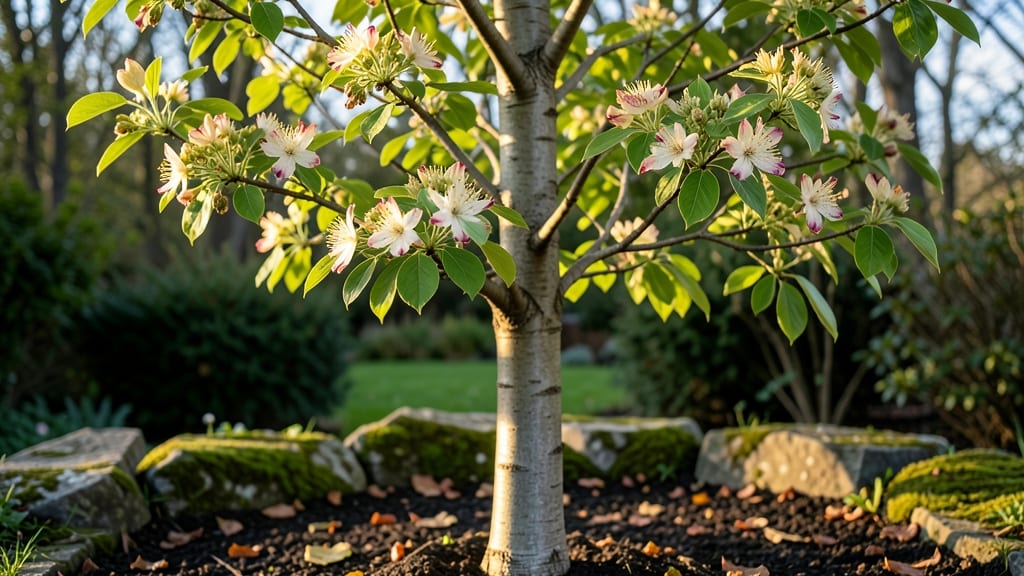
The dogwood tree blooming season transforms yards into bursts of pink and white magic 🌳 — but the exact timing depends on where you live and the variety you’ve planted.
If you’ve ever admired the stunning pink or white blossoms of a dogwood tree, you know timing is everything—miss the bloom window, and you’ll wait another year for that breathtaking display. But how do you know when to expect those show-stopping flowers in your own backyard?
Climate zones play a huge role in dogwood blooming season, with USDA Zone 6a typically seeing flowers from late March through early May. Warmer southern regions may bloom earlier, while cooler northern areas might see them a few weeks later.
In this guide, I’ll break down the exact months for your zone, share tips to predict your tree’s bloom time, and even suggest the best varieties for reliable spring color—so you never miss another season.
Dogwood tree blooming season by USDA climate zones: exact months
Dogwood trees burst into bloom with show-stopping pink or white flowers that signal spring's arrival. But their blooming season varies dramatically depending on your USDA climate zone and regional microclimates. Understanding these patterns helps you anticipate peak bloom times and maximize enjoyment of your tree's seasonal display.
Most dogwoods bloom in late winter to early spring, but exact timing shifts by 1-2 months from zone 3 to 9. Southern gardeners often see blooms as early as February, while northern growers may wait until May.
Even within the same zone, elevation and local weather can push bloom dates earlier or later.
Temperature plays the biggest role in triggering blooms. Dogwoods need consistent daytime temperatures above 40°F (4°C) for 4-6 weeks to break dormancy. Daylight hours also matter—longer days in spring stimulate bud development. In warmer zones, some varieties even produce fall blooms when days shorten.
Here’s how bloom timing breaks down across key USDA zones, including early, mid, and late-season varieties that thrive in each region:
In USDA zones 3-4, dogwoods like ‘Cherokee Brave’ often bloom in late April or May after the last frost. These northern varieties prioritize cold hardiness over early blooming, so gardeners in Minnesota or Maine should expect a 2-3 week delay compared to southern states.
Zones 5-6 (e.g., New York, Wisconsin) see the most consistent mid-season blooms from mid-April to May. Varieties like ‘Cameo’ thrive here, offering reliable white blossoms that attract pollinators. Some trees, like ‘White Winter Haze’, even produce fall blooms when nights cool below 50°F (10°C).
Southern gardeners in zones 7-9 (e.g., Georgia, Texas, California) enjoy earlier blooms as early as January or February. ‘Profusion’ dogwoods are popular here for their prolific, repeat blooms throughout spring. However, heat waves above 90°F (32°C) can stress trees and reduce flower production.
To extend your dogwood’s bloom time, choose varieties matched to your zone and prune after flowering to avoid cutting next year’s buds. Mulch around the base in fall to protect roots from temperature swings, which can delay or advance
How to predict your dogwood’s bloom time based on local weather
Predicting when your dogwood tree will bloom isn’t just about checking a calendar—it’s about reading your local climate like a pro gardener. Dogwoods are sensitive to temperature shifts and daylight changes, so understanding these cues can help you anticipate their stunning spring display with near-perfect accuracy.
Whether you’re planning a photoshoot or simply eager to enjoy those pink blossoms, mastering these weather-based clues will transform you from a hopeful onlooker to a bloom-time expert.
First, know that dogwoods bloom in early spring, typically between March and April in most U.S. regions, but this window can shift dramatically depending on your USDA climate zone and recent weather patterns.
For example, a warmer-than-average winter might trigger earlier budding, while a late frost could delay the show. By paying attention to these natural signals, you’ll avoid the disappointment of missing the peak bloom by just a few days.
⚠️ ⚠️ WARNING: Late Frosts Can Ruin Dogwood Blooms ⚠️ Dogwood buds are extremely frost-sensitive. Even a single night below 28°F can damage or kill emerging flowers before they open.
If your area has a history of late spring frosts (common in USDA Zones 5-7), your dogwood may wait until May to bloom—or skip flowering entirely that year. Always monitor your local National Weather Service forecasts in late winter and early spring for frost warnings.
If frost is predicted, consider covering young trees with frost cloth to protect delicate buds.
Start your bloom prediction by tracking your last average frost date in your area. Dogwoods typically begin bud swell 4-6 weeks before blooming, so if your last frost is usually April 15, you can expect buds to appear around mid-March.
Use resources like the Old Farmer’s Almanac or your local cooperative extension service to find precise frost dates for your region. Pro tip: Mark this date on your calendar and check your dogwood’s branches every 7-10 days starting in February.
Next, watch for bud swell, the first visible sign that your dogwood is gearing up for its big show. Healthy buds will plump up and turn a pinkish hue (for pink-flowering varieties) or greenish-yellow (for white-flowering types).
This stage usually occurs when daytime temperatures consistently reach 50°F or higher for at least a week. Once you spot these swollen buds, count backward: blooms typically appear 2-3 weeks later, assuming no unexpected cold snaps occur.
For a more scientific approach, use bloom forecast tools like the USDA Plant Hardiness Zone Map or apps such as Gardenate, which provide localized bloom predictions based on historical data.
These tools factor in chilling hours (the number of hours below 45°F your dogwood needs to trigger flowering) and forcing temperatures (warm spells that kickstart bud development). For example, ‘Cherokee Brave’ dogwoods often bloom 2 weeks earlier than standard varieties because they require fewer chilling hours.
Finally, create a simple dogwood bloom checklist to track progress: ☑️ Early March: Check for bud swell (pink/greenish buds). ☑️ Late March: Monitor for bud break (buds begin to open). ☑️ Early April: Expect peak bloom (full, open flowers). ☑️ Mid-April: Watch for post-bloom fruit development (red berries).
By following these steps, you’ll not only predict your dogwood’s bloom time but also ensure your tree stays healthy and vibrant for years to come. Happy gardening! 🌷