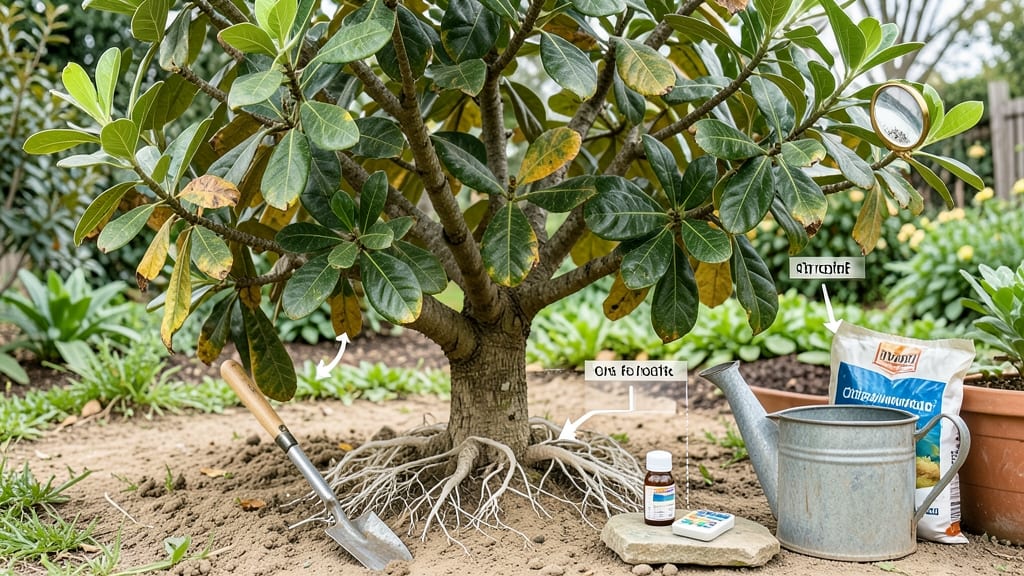
Your avocado tree’s yellowing leaves turning yellow aren’t a death sentence—just a cry for help. 🌿 I’ve nursed back more than a few trees from this exact problem, and the fixes are simpler than you’d think, starting with checking your watering routine and soil health.
The most common culprits are overwatering (which suffocates roots) and nutrient deficiencies like nitrogen or magnesium. A quick soil test or leaf analysis can pinpoint the exact issue—though I’ve had luck just amending the soil with compost and a balanced fertilizer.
The key is acting fast before the problem spreads to the whole tree. Within 2-4 weeks of adjusting care, you’ll see fresh green leaves pushing out, and the tree will look like it did in its prime. The best part?
These fixes work for both indoor and outdoor avocado trees, no matter their size. Let’s troubleshoot step by step so you can get your tree back to thriving—without stressing over complicated diagnostics.
Root Causes Behind Yellowing Leaves
When your avocado tree’s leaves start turning yellow, it’s often a cry for help from the plant—whether due to environmental stress, nutrient imbalances, or hidden pests. Understanding the root causes (literally and figuratively) is the first step to restoring your tree’s health.
Below, we break down the most common reasons why this happens, complete with science-backed explanations and actionable insights to diagnose the issue.
Avocado trees are drought-tolerant natives of arid regions, so they hate soggy roots. When soil stays too wet—whether from overwatering, heavy clay, or a lack of drainage—roots suffocate from oxygen deprivation. This triggers chlorosis (yellowing) as the tree struggles to transport nutrients.
Signs: Yellowing starts at the bottom leaves and spreads upward. Soil may smell sour or feel mushy.
Why it happens:
Excess water displaces oxygen in soil pores, causing root rot (often from Phytophthora fungi).
Avocado roots are sensitive to waterlogging, which disrupts nutrient uptake (especially iron and zinc).
Fix:
Let the top 2–3 inches of soil dry out completely between waterings.
Amend heavy soil with perlite or coarse sand (20–30%) to improve aeration.
Ensure pots have drainage holes and elevate containers to prevent water pooling.
Yellowing leaves often signal a micronutrient deficiency, particularly in calcareous (alkaline) soils, which lock out essential minerals. Avocados need iron (Fe), zinc (Zn), and nitrogen (N) to produce chlorophyll. When these are lacking, leaves turn yellow while veins stay green (interveinal chlorosis).
Nutrient
Deficiency Signs
Cause
Solution
Iron (Fe)
Young leaves yellow between veins; older leaves may drop.
Alkaline soil (pH >7.0) binds iron, making it unavailable.
Apply chelated iron (e.g., iron sulfate or EDTA-iron) every 2–3 months.
Lower soil pH with elemental sulfur (1 lb per 100 sq ft) or peat moss.
Nitrogen (N)
Yellowing starts on older leaves (not new growth).
Poor soil organic matter or over-pruning without replenishment.
Fertilize with a balanced 6-6-6 or 10-10-10 fertilizer in spring.
Add compost or worm castings to improve soil biology.
Zinc (Zn)
Yellowing on new leaves with possible stunted growth.
High soil pH or excessive phosphorus.
Apply zinc sulfate (1 tsp per gallon of water, spray foliage).
Test soil for phosphorus levels—reduce if >100 ppm.
💡 Pro Tip: Conduct a soil test (pH + micronutrients) before treating—this avoids guesswork. Avocados thrive in slightly acidic to neutral soil (pH 6.0–7.0).
Pathogens like Phytophthora (root rot), Fusarium, or Xanthomonas (bacterial leaf spot) can cause yellowing, often accompanied by spots, wilting, or leaf drop. These thrive in wet conditions and stressed trees.
Signs:
Yellowing + brown lesions on leaves (bacterial spot).
Mushy stems or roots (fungal root rot).
Stunted growth despite proper care.
Why it happens:
Overwatering or poor airflow (e.g., crowded pots, dense foliage).
Contaminated soil or tools from previous infected plants.
Fix:
Prune infected leaves/stems with sterilized shears (70% alcohol).
Apply copper fungicide (e.g., Bordeaux mixture) or neem oil (for bacterial issues).
Improve air circulation by thinning foliage or spacing plants.
For root rot: Repot in fresh, sterile soil and trim black/mushy roots.
Sap-sucking pests like spider mites, scale insects, or root-knot nematodes weaken avocado trees by stealing nutrients, leading to yellowing. These pests thrive in dry, dusty conditions or compacted soil.
Pest
Symptoms
Treatment
Spider Mites
Yellow stippling on leaves; fine webbing on undersides.
Spray with water (dislodges mites).
Use neem oil or horticultural oil (repeat every 5–7 days).
Scale Insects
Sticky residue ("honeydew") on leaves; yellowing near infested areas.
Scrape off with a soft brush dipped in soapy water.
Apply dormant oil in winter or systemic insecticide (e.g., imidacloprid).
Quick Fixes for Yellowing Leaves
Now that you’ve identified why your avocado tree’s leaves are turning yellow, it’s time to take action! The good news is that most causes are easily reversible with the right care.
Below, we’ll break down practical solutions for each common issue, from soil adjustments to pest control, plus prevention tips to keep your tree thriving.
Yellowing leaves often signal root suffocation from soggy soil. Here’s how to rescue your avocado tree:
🔥 Step 1: Check the Soil Moisture
Stick your finger 2–3 inches deep into the soil.
If it feels damp or muddy, your tree is overwatered. - Pro Tip: Avocado trees prefer well-draining soil—water only when the top 1–2 inches are dry (usually every 7–10 days in warm climates).
🍳 Step 2: Improve Drainage
For potted trees: Repot into a container with drainage holes and use a mix of cactus/succulent soil + perlite (50/50 ratio).
For in-ground trees: Amend the soil with compost or coarse sand to break up clay.
⏰ Time to Act: If roots are mushy or smell rotten, trim affected roots (sterilize shears with rubbing alcohol) and replant in fresh soil.
🌡️ Step 3: Adjust Watering Habits
Water deeply but infrequently—focus on soaking the root zone rather than light, frequent watering.
Avoid wet leaves (water at the base) to prevent fungal diseases like root rot.
🎯 Prevention Tip:
Mulch around the base (2–3 inches of wood chips) to regulate moisture and temperature.
Yellow leaves can also mean your avocado tree is hungry for key nutrients. Here’s how to fix it:
💡 Step 1: Test Your Soil
Grab a DIY soil test kit (or send a sample to a local extension office) to check pH (6.0–7.0 ideal) and nutrient levels.
📊 Step 2: Fertilize Correctly
For nitrogen deficiency (lower leaves yellow first):
Use a balanced fertilizer (6-6-6 or 10-10-10) in early spring.
Organic option: Coffee grounds (rich in nitrogen) or fish emulsion.
For magnesium deficiency (yellow patches between veins):
Apply Epsom salt (1 tbsp per gallon of water, spray on leaves monthly).
For iron deficiency (new leaves pale yellow):
Use an iron chelate fertilizer (follow package instructions).
🌿 Step 3: Boost Soil Health
Top-dress with compost (2–3 inches) around the base annually to replenish nutrients.
Avoid over-fertilizing—too much salt can burn roots!
✨ Prevention Tip:
Fertilize only in growing season (spring/summer) and reduce in winter when the tree rests.
If spider mites, scale, or aphids are sucking the life out of your tree, act fast!
🔪 Step 1: Inspect & Identify Pests
Look for:
Sticky residue (honeydew) on leaves = sap-sucking pests.
Tiny webs = spider mites.
Bumpy growths on stems = scale insects.
👨🍳 Step 2: Treat Naturally or Chemically
For mild infestations:
Neem oil spray (1 tsp neem oil + 1 tsp mild soap + 1 quart water).
Spray every 5–7 days until pests vanish. - Blast off pests with a strong water spray (disrupts their life cycle). - For severe cases: - Use insecticidal soap or horticultural oil (follow label instructions). - Pro Tip:Ladybugs and lacewings are natural predators—introduce them if possible!
🎯 Prevention Tip:
Keep your tree healthy (stressed trees attract pests).
Prune regularly to improve airflow and remove infested branches.
If leaves are bleached or crispy, your avocado tree may be sunburned or wind-scored.
🌡️ Step 1: Provide Shade
Young trees: Use a light shade cloth (30–50%) for first few hours of hot sun.
Mature trees: Plant near other trees or a fence for natural windbreak.
💨 Step 2: Protect from Wind
Stake tall trees in windy areas.
Prune branches to improve structure and reduce wind resistance.
✨ Prevention Tip:
Gradually acclimate young trees to full sun (start with morning sun only).
If yellowing persists, prune affected leaves/branches to redirect energy to healthy growth.
✂️ How to Prune:
Cut 1–2 inches above a leaf node (where new growth emerges).
Sterilize tools with rubbing alcohol to prevent disease spread.
🌱 Post-Pruning Care:
Water deeply and fertilize lightly to encourage recovery.
Remember: Most yellowing leaves improve within 2–4 weeks of corrective care. Monitor your tree’s progress and adjust as needed! 🌿✨
Frequently asked questions
1
Why do only the older leaves turn yellow first?
This is usually a sign of nitrogen deficiency—your tree is pulling nutrients from older leaves to support new growth. Check if the yellowing starts at the bottom and moves upward. A balanced fertilizer (like 6-6-6) or compost can restore nitrogen levels quickly.
2
Can I use Epsom salt if my avocado tree leaves are yellow?
Yes, but only if you suspect a magnesium deficiency (yellow patches between veins). Mix 1 tablespoon Epsom salt per gallon of water and spray on leaves monthly. Test soil first—too much magnesium can cause other issues. For iron deficiencies, use chelated iron instead.
3
How often should I water my avocado tree to prevent yellow leaves?
Water deeply but infrequently—only when the top 2-3 inches of soil are completely dry. Overwatering is the #1 cause of yellowing. For potted trees, check soil moisture daily; in-ground trees need water every 7-10 days in warm climates. Always ensure proper drainage!
4
What if yellow leaves appear suddenly with brown spots?
This could indicate a fungal infection (like root rot) or bacterial leaf spot. Prune infected leaves immediately with sterilized shears, improve airflow, and apply copper fungicide. Avoid overhead watering to prevent spread. If roots are mushy, repot in fresh, sterile soil.