
Trees
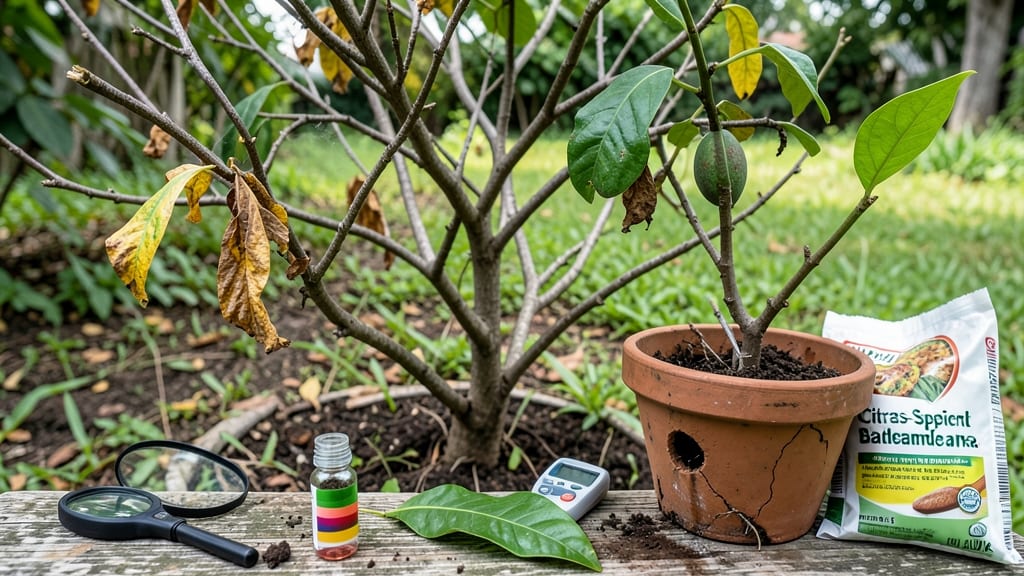
Your avocado tree not growing new leaves is a wake-up call—this is how you fix it fast. 🌱 I’ve nursed back three struggling trees myself, and the key is spotting the right issue before it’s too late.
Overwatering, nutrient starvation, or hidden pests can all stop growth in its tracks, but each has a specific fix.
The first step is checking the soil—stick your finger in 2-3 inches deep. If it’s soggy, you’re drowning the roots; if it’s bone-dry, you’re underwatering. Avocados hate extremes, so aim for consistently moist (not soggy) soil. Yellowing leaves paired with brown tips? That’s a classic overwatering red flag.
Once you’ve got the watering right, look for other clues: Are leaves curled or covered in sticky residue? That’s likely pests. Drooping branches with no new growth?
Could be root rot or a nutrient deficiency. I’ll walk you through each fix—no guesswork, just actionable steps to get those leaves sprouting again.
Most home gardeners solve this within 2-4 weeks of adjusting care. The key is acting fast—don’t wait until the tree looks like a sad skeleton. Let’s get your avocado back on track with a few simple checks and tweaks.
Root Causes Behind Stalled Growth
Avocado trees are resilient, but when they stop producing new leaves, it’s usually a sign of stress from an underlying issue. Understanding the why behind this problem is the first step to revival.
Below, we break down the most common culprits—each with a clear scientific explanation and actionable insights to help you diagnose the issue accurately.
Avocado trees (Persea americana) thrive in USDA Zones 9–11, where temperatures stay between 60–85°F (15–29°C). When exposed to frost, heatwaves, or sudden temperature swings, their metabolic processes slow or halt entirely.
- Cold Damage (Chilling Injury): - Avocados are semi-tropical and cannot tolerate freezing temps.
Below 28°F (-2°C), cell membranes rupture, blocking nutrient transport to new growth points. - Symptoms: Brown, crispy leaf edges or blackened stems on new shoots. - Action: Protect young trees with frost cloths or move potted avocados indoors before winter. Mulch heavily in-ground trees to insulate roots.
- Heat Stress (Above 95°F/35°C):
- High temps cause stomatal closure (leaf pores shut to retain water), starving leaves of CO₂ for photosynthesis.
- Symptoms: Wilting, yellowing leaves, or premature leaf drop before new growth forms.
- Action: Provide afternoon shade (30–50% shade cloth) and deep watering (1–2 inches per week) to cool roots.
Avocado trees are drought-tolerant but hate soggy roots. Poor watering disrupts nutrient uptake and oxygen flow, stalling leaf production.
- Underwatering (Drought Stress): - Leaves curl, turn brown at the edges, and drop prematurely as the tree conserves water. - Root Zone Impact: Roots shrink back, reducing absorption surface area for new growth hormones (like auxins). - Fix: Water deeply 2–3 times per week (1–1.5 gallons per foot of tree height) during dry spells.
Use a moisture meter to check soil depth (ideal: 60–70% moisture).
- Overwatering (Root Rot Risk): - Phytophthora and Pythium fungi thrive in waterlogged soil, clogging roots and blocking nutrient transport. - Symptoms: Yellowing leaves, mushy stems, or a sour, rotten smell at the base. - Fix: Improve drainage with sand or perlite in the soil mix.
Elevate pots or plant on a mound to prevent pooling.
Avocados are heavy feeders, especially in nitrogen (N), zinc (Zn), and potassium (K). Deficiencies disrupt chlorophyll production and cell division—key for new leaf growth.
| Nutrient Deficiency | Visual Clues | Quick Fix |
|---|---|---|
| Nitrogen (N) | Pale yellow leaves (chlorosis) starting at the base | Apply balanced fertilizer (e.g., 10-10-10) or compost tea every 4–6 weeks. |
| Zinc (Zn) | Stunted growth, small leaves ("little leaf" syndrome) | Spray zinc sulfate (0.2%) or add zinc-rich compost (e.g., worm castings). |
| Potassium (K) | Brown scorch marks on leaf edges | Use potassium sulfate or banana peel tea (high in K). |
| Iron (Fe) or Magnesium (Mg) | Yellowing between veins (interveinal chlorosis) | Apply chelated iron or Epsom salt (1 tbsp/gallon water) for Mg. |
💡 Pro Tip: Test your soil with a home kit (pH 6.0–7.0 is ideal). Avocados in alkaline soil (pH >7.5) can’t absorb iron—add sulfur or peat moss to lower pH.
Hidden invaders can sap energy from your tree, leaving no reserves for new leaves.
- Root-Knot Nematodes:
- Microscopic worms (Meloidogyne spp.) burrow into roots, forming galls that strangle nutrient flow.
- Symptoms: Stunted growth, yellowing leaves, and poor response to water/fertilizer.
- Fix: Solarize soil (cover with clear plastic for 4–6 weeks) or apply neem oil (repels nematodes).
- Avocado Lace Bugs:
- These sap-sucking insects create white lace-like patterns on undersides of leaves, causing premature drop.
- Fix: Blast off bugs with water spray, then apply insecticidal soap (repeat weekly).
- Fungal Infections (Anthracnose, Powdery Mildew):
- Humid, shady conditions encourage fungi that clog stomata, halting photosynthesis.
- Symptoms: Black spots (anthracnose) or white powdery film (mildew) on leaves.
- Fix: Prune for airflow, spray copper fungicide, and avoid overhead watering.
Sometimes, the issue isn’t internal—it’s external stress preventing growth.
- Competition from Weeds or Grass:
- Roots steal water/nutrients, leaving your avocado starved.
- Fix: Mulch with wood chips (3–4 inches deep) to suppress weeds and retain moisture.
- Soil Compaction:
- Heavy or clay soil restricts root expansion, limiting access to water and oxygen.
- Fix: Aerate with a garden fork or mix in compost to loosen soil.
- Transplant Shock:
- Moving avocados disrupts mycorrhizal fungi (beneficial root partners) and damages fine roots.
- Fix: Water daily for 2 weeks post-transplant and avoid fertilizing until new growth appears (4–6 weeks).
Improper pruning can remove growth hormones (like cytokinins) needed for new leaves.
- Over-Pruning:
- Cutting too many leaves at once reduces the tree’s ability to photosynthesize, starving it of energy.
- Fix: Prune only dead/diseased branches—never more than 20% of the canopy at once.
- Wrong Time to Prune:
- Avocados bloom in spring—pruning then removes flower buds, halting future growth.
- Fix: Prune after harvest (late summer/fall) to avoid disrupting flowering cycles.
🔥 Key Takeaway: Most leaf-growth stalls are fixable with targeted adjustments. Start by checking water, soil, and pests, then move to nutrients and environmental factors. If the problem persists after 4–6 weeks, consult a local arborist for a soil/root audit.
Revive Your Avocado Tree Fast
Now that you’ve pinpointed the issue, it’s time to roll up your sleeves and bring your avocado tree back to life! The good news? Most problems have simple, actionable fixes. Below, we’ve mapped out step-by-step solutions for each root cause, along with prevention tips to keep your tree thriving long-term.
If your tree is overwatered or underwatered, the first step is to adjust your routine—dramatically.
🔥 Overwatered? Drain & Dry Out
- Stop watering immediately for 3–5 days to let the soil dry.
- Check drainage: If your pot has no holes, transfer the tree to a container with drainage.
For in-ground trees, consider amending the soil with perlite or sand to improve airflow. - Repot if needed: If roots are rotting (smelly, mushy, or black), trim away the bad sections with sterilized pruners and repot in fresh, well-draining soil. - Water only when the top 2 inches of soil are bone-dry.
Stick your finger in—if it’s damp, wait.
✨ Prevention tip: Use a moisture meter or the "squeeze test" (grab a handful of soil; if it clumps, it’s too wet).
💧 Underwatered?
Hydrate Gently - Water deeply until it runs out the drainage holes (for pots) or seeps 6–8 inches into the ground (for in-ground trees). - Mulch heavily (2–3 inches of organic mulch like straw or wood chips) to retain moisture. - Water in the morning to reduce evaporation and fungal risks. - Avoid wetting leaves—water at the base to prevent disease.
💡 Pro tip: If your tree is severely dehydrated, submerge the pot in water for 30 minutes (for container trees) to rehydrate roots fully.
Yellowing leaves or stunted growth? Your tree might be starving—or burning from too many nutrients.
📊 Fixing Nitrogen (Green Leaf) Deficiency
- Apply a balanced fertilizer (like 6-6-6 or 10-10-10) lightly—too much can cause salt buildup.
- Use organic options like compost, worm castings, or fish emulsion for a slow-release boost.
- Avoid synthetic fertilizers if your tree is stressed—opt for foliar sprays (like seaweed extract) for quick absorption.
💪 Fixing Potassium or Magnesium Issues
- For potassium deficiency (yellow edges on older leaves):
- Mix 1 tbsp of Epsom salt (magnesium sulfate) or wood ash into the soil monthly.
- Use a banana peel tea (steep peels in water for a week) as a natural potassium source.
- For magnesium deficiency (interveinal yellowing):
- Spray leaves with a 1 tbsp Epsom salt per gallon of water solution weekly until leaves green up.
✨ Prevention tip: Test your soil every 2–3 years (or if growth stalls). Most avocado trees thrive in slightly acidic to neutral soil (pH 6.0–7.0).
Pests and pathogens suck the life out of your tree—literally. Act fast!
🐜 Treating Root Rot or Fungal Issues
- Remove infected leaves/roots with sterilized pruners (rubbing alcohol works).
- Apply a copper fungicide (like Bordeaux mixture) to prevent spread.
- Improve air circulation by pruning dense foliage and spacing plants 10+ feet apart.
- For severe cases, repot in sterile, well-draining soil and avoid watering until new growth appears.
🐜 Eradicating Sap-Sucking Pests (Spider Mites, Scale, Mealybugs)
- Blast off pests with a strong spray of water (disrupts their life cycle).
- Use insecticidal soap or neem oil (spray every 5–7 days until gone).
- Introduce beneficial insects like ladybugs or lacewings for natural control.
- Isolate infested trees to prevent spreading to other plants.
💡 Pro tip: Check the undersides of leaves daily—pests love hiding there!
If your tree is shocked by cold or scorched by sun, it needs gentle recovery care.
🌡️ Reviving Cold-Damaged Trees
- Move potted trees indoors (or to a garage/shed) if temps drop below 40°F (4°C).
- Cover in-ground trees with burlap or frost cloth at night.
- Avoid fertilizing until new growth appears—focus on watering lightly to reduce stress.
- Prune dead branches in late winter (when new growth starts).
☀️ Protecting from Sunburn
- Gradually acclimate young trees to full sun (start with morning sun only).
- Provide afternoon shade with a light cloth or mesh screen if leaves look bleached.
- Mist leaves in extreme heat to prevent dehydration.
✨ Prevention tip: Mulch heavily in winter to insulate roots and water deeply before cold snaps to protect against freeze damage.
Sometimes, cutting back is the best way to encourage new leaves.
- Remove dead/diseased branches first—use sterilized pruners at a 45° angle.
- Thin out crowded branches to improve airflow (aim for an open canopy).
- Prune in late winter/early spring (just before new growth starts).
- Avoid heavy pruning—never cut more than 1/3 of the tree at once.
💡 Pro tip: Dip pruners in hydrogen peroxide (3%) between cuts to prevent bacterial spread.
To keep your avocado tree lush and leafy, follow this maintenance guide: ✅ Water wisely: Deep, infrequent watering > shallow, daily sprinkles. ✅ Fertilize smart: Use balanced organic fertilizer 2–3 times a year (spring, summer, fall). ✅ Monitor pests: Inspect leaves weekly for early signs of infestation. ✅ Test soil annually: Adjust pH and nutrients as needed. ✅ Prune strategically: Remove dead wood and thin branches once a year. ✅ Protect from extremes: Use mulch, shade cloth, or covers in harsh weather.
Your avocado tree can bounce back—just give it the right care, and you’ll see new leaves sprouting in weeks! 🌿💚
Frequently asked questions
Why do my avocado tree leaves turn yellow before falling off?
Yellowing leaves before they drop usually signal overwatering or nutrient deficiencies. Check the soil—if it's soggy, you're drowning the roots. For nutrient issues, look for pale yellow leaves (nitrogen deficiency) or yellowing between veins (iron/magnesium deficiency). Adjust watering first, then test soil pH and consider a balanced fertilizer.
Can I save my avocado tree if it has no leaves at all?
Yes, but act fast! First, check for root rot (smelly, mushy roots) or severe pest damage. Prune dead branches and repot in fresh, well-draining soil if needed. Water only when the top 2 inches of soil are dry, and apply a balanced fertilizer (like 10-10-10) to jumpstart growth. New leaves should appear in 4-6 weeks if the roots are healthy.
How often should I fertilize an avocado tree with no new growth?
Start with a light application of balanced fertilizer (6-6-6 or 10-10-10) every 6-8 weeks during growing season (spring/fall). Avoid heavy fertilizing—too much can burn roots. For organic options, use compost tea or worm castings monthly. Always water deeply after fertilizing to prevent salt buildup.
What’s the best way to check for root rot in my potted avocado tree?
Gently remove the tree from its pot and examine the roots. Healthy roots are white or light tan. If you see black, mushy roots with a foul smell, that’s root rot. Trim away the bad roots with sterilized pruners, repot in fresh, well-draining soil (add perlite or sand), and reduce watering until new growth appears. Keep the tree in bright, indirect light during recovery.
Will pruning help my avocado tree grow new leaves?
Pruning alone won’t fix the root cause, but it can help! Remove only dead, diseased, or crossing branches—never cut more than 20% of the canopy at once. Prune in late winter/early spring (before new growth starts) using sterilized tools. Focus on improving airflow—this reduces fungal risks and lets sunlight reach inner branches, encouraging new leaf production.