
Pruning
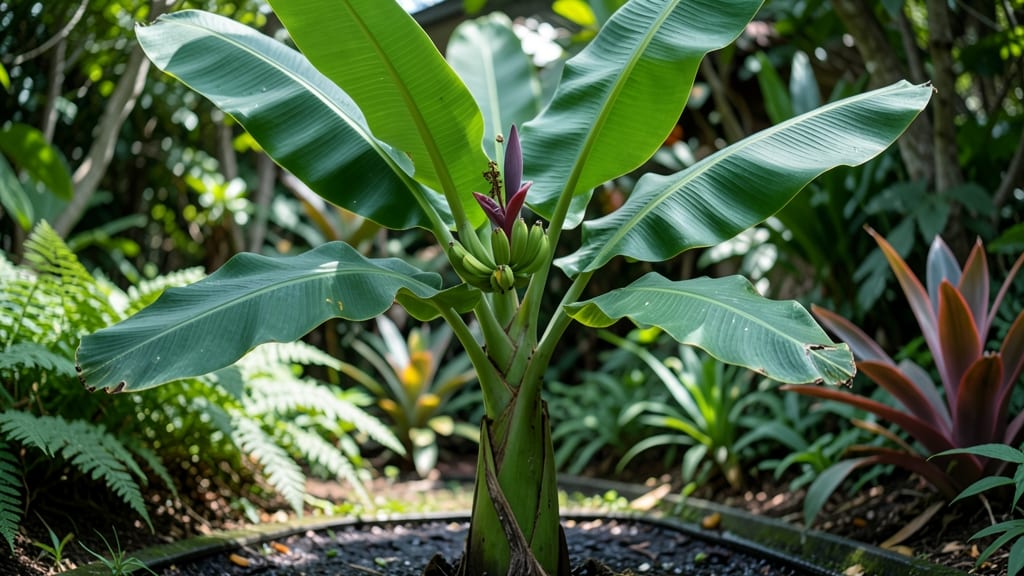
Your dwarf banana tree’s height will never tower over your patio—6-10 feet is its natural limit, but pruning keeps it at a manageable 4-6 feet for easy care. 🌿 I learned the hard way that skipping pruning leads to a jungle-like mess, even with these compact varieties.
The key isn’t just cutting back, though—it’s timing and technique that keeps the plant happy while controlling its height.
These tropical beauties thrive in warm climates but adapt well to containers, making them perfect for patios or sunny windowsills. They love bright, indirect light and well-draining soil, but their height is mostly controlled by removing old pseudostems (the woody trunks) as new ones emerge.
Start pruning when you see the center stem turning yellow—this signals it’s time to make room for fresh growth.
With proper pruning, you’ll get a bushier, more productive plant that stays within your space limits. The new leaves will be larger and healthier, and you’ll avoid that awkward moment when your "dwarf" suddenly outgrows its spot.
Just remember: never cut more than one-third of the plant at once, or you’ll shock the roots.
This method works for both indoor and outdoor dwarf varieties, like the popular 'Dwarf Cavendish' or 'Ice Cream' banana. The same principles apply whether you’re growing in a pot on your balcony or in-ground in a mild climate.
Here’s how to keep it compact without sacrificing those sweet, edible (though not always ripe) bananas.
Root Causes of Stunted Growth
Understanding why your dwarf banana tree isn’t reaching its expected height starts with digging deeper—literally. Banana trees, even dwarf varieties like Musa acuminata ‘Dwarf Cavendish’ or Musa velutina, rely on a complex interplay of genetics, environment, and care.
When growth stalls, it’s usually a sign that one or more of these factors isn’t quite right. Let’s break down the key culprits holding your tree back, so you can address them with precision.
Not all dwarf banana trees are created equal—and some are intentionally small! Many cultivated dwarf varieties, such as Musa basjoo (Japanese fiber banana) or Ensete ventricosum (false banana), have inherent height restrictions due to selective breeding.
These plants may only grow 6–12 feet tall (vs. 15–25 feet for standard bananas) because their genetic makeup limits their growth rate and stem elongation.
What to watch for:
- If your tree’s parent stock was labeled as "dwarf," it may simply be fulfilling its genetic potential.
- Actionable tip: 📊 Check the variety’s expected mature height in gardening databases or seed packets. If your tree matches the range, it’s not a growth issue—it’s a design feature!
Banana trees are tropical creatures at heart, and they hate being outside their comfort zone. Dwarf varieties are slightly hardier than their giant cousins but still need: - Warmth: Ideal daytime temps 75–85°F (24–29°C).
Below 50°F (10°C), growth slows dramatically, and cold snaps can stunt new shoots permanently. - No Frost: Even dwarf bananas cannot tolerate freezing.
Damage to the pseudostem (the "trunk") disrupts nutrient flow, leading to stunted regrowth. - Humidity: Low humidity (<50%) causes stress, reducing photosynthesis and slowing height gain.
What to watch for:
- Yellowing leaves, brown tips, or sudden leaf drop in cooler months.
- Actionable tip: 🌡️ Use a mini greenhouse, frost cloth, or grow lights in winter if you’re in a cooler climate. Mulch the roots to insulate them from temperature swings.
Banana trees need bright, indirect light—think dappled shade in their native rainforests. Too little light = leggy, weak growth. Too much direct sun (especially in hot climates) = sunburned leaves and slowed development.
Signs of light issues:
- Leggy stems (long, weak internodes) = not enough light.
- Crispy, white leaf edges or bleached patches = too much direct sun.
- Actionable tip: 🌿 Position your dwarf banana in morning sun + afternoon shade (e.g., under a 30% shade cloth). If indoors, place it near a south-facing window with supplemental grow lights (12–14 hours/day).
Banana trees are heavy drinkers, but poor water management or soil issues can halt height growth faster than you’d think.
Common water/soil problems:
- Overwatering: Soggy soil rots roots, cutting off nutrient uptake. Look for mushy stems, yellowing leaves, or a foul smell at the base.
- Underwatering: Wilting leaves and stunted new shoots signal thirst. Bananas need 1–2 inches of water per week (more in heatwaves).
- Compacted or poor soil: Bananas hate clay or rocky soil. Roots need aeration and organic matter to support rapid growth.
- Nutrient deficiencies: Lack of potassium (K) or magnesium (Mg) causes weak stems and small leaves.
Actionable tips:
- 💧 Water deeply at the base (avoid wetting leaves to prevent fungal issues).
- 🌱 Amend soil with compost or coconut coir for drainage.
- 📊 Test soil pH (ideal: 5.5–7.0). Add wood ash for acidity or lime for alkalinity.
- ✨ Fertilize monthly with a balanced banana fertilizer (high in potassium) during growing season.
If your dwarf banana is in a container, its root system might be cramped, limiting its ability to absorb nutrients and grow upward.
Signs of root stress:
- Roots circling the pot or poking out of drainage holes.
- Slow or no new leaf production despite good care.
- Actionable tip: 🪴 Upgrade to a larger pot (at least 18–24 inches wide/deep) every 2–3 years. Use fast-draining mix (60% potting soil, 30% perlite, 10% compost).
Even dwarf bananas aren’t immune to sap-sucking pests (aphids, spider mites) or fungal infections (like sigatoka leaf spot). These invaders drain energy from the plant, diverting resources away from stem elongation.
Common culprits:
- Aphids/spider mites: Cause sticky leaves or silver webbing.
- Banana weevils: Bore into the pseudostem, weakening structural support.
- Fungal spots: Brown/yellow patches on leaves reduce photosynthesis.
Actionable tips:
- 🔍 Inspect leaves weekly for pests. Spray with neem oil or insecticidal soap if needed.
- 🌿 Remove infected leaves immediately to prevent spread.
- 🛡️ Apply copper fungicide preventatively in humid climates.
Pruning is essential for dwarf bananas to encourage bushier, more compact growth—but over-pruning can shock the plant into stasis.
Common pruning errors:
- Removing too many leaves = reduced photosynthesis = less energy for growth.
- Not pruning at all = overcrowded center = weak, leggy stems.
- Actionable tip: ✂️ Trim only damaged or yellow leaves, leaving at least 50% of the canopy. For dwarf varieties, lightly prune to encourage lateral shoots (which can produce more fruit).
Banana trees release stress hormones (like ethylene) when they’re transplanted, injured, or overcrowded. These hormones can pause growth until the plant stabilizes.
Triggers:
- Recent repotting (roots need 4–6 weeks to recover).
- Physical damage (e.g., broken pseudostem).
- Competition (planting too close to other large trees).
Actionable tip: 🌱 Give your banana space (at least 6 feet from other plants). Avoid disturbing roots unless absolutely necessary. If repotting, water thoroughly and avoid fertilizing for 2 weeks to reduce stress.
Fixing Your Dwarf Banana Tree’s Growth
Now that you understand why your dwarf banana tree might be growing taller than expected or struggling to stay compact, it’s time to take action! With the right techniques, you can encourage a lush, manageable canopy while keeping your tree thriving.
Below are practical, step-by-step solutions tailored to common causes—plus prevention tips to keep your tree in check long-term.
Problem: If you’ve been pruning too aggressively (or not at all), your dwarf banana tree may be sending out long, leggy shoots or failing to produce a dense canopy.
How to Fix It: 🔥 🌿 Trim Strategically (Not Randomly)
- Use clean, sharp pruners (sterilized with rubbing alcohol) to avoid damaging the plant.
- Remove only the top 1/3 of the oldest leaves (the yellow or brown ones) to redirect energy to new growth.
- Avoid cutting into the pseudostem—this can harm the tree’s core.
🍳 🌱 Encourage Bushier Growth
- After trimming, fertilize with a balanced, slow-release fertilizer (like 10-10-10) to promote compact growth.
- Water deeply but infrequently—banana trees hate soggy roots but need consistent moisture.
👨🍳 🌿 Prune for Shape (Not Just Size)
- If your tree is top-heavy, prune the tallest shoots first to balance its structure.
- Pinch back new suckers (baby shoots) if they’re growing too tall—this forces energy into the main plant.
⏰ 🌱 Schedule Regular Maintenance
- Prune every 4-6 weeks during the growing season (spring to fall) to prevent unchecked growth.
💡 Pro Tip: If your tree is still leggy, try training vines (if applicable) along a trellis to control height naturally.
Problem: Compact growth struggles when soil lacks organic matter, drainage, or key nutrients like potassium or magnesium.
How to Fix It: 📊 🌿 Test Your Soil First
- A simple DIY soil test kit (or lab test) can reveal deficiencies.
- Banana trees love well-draining, slightly acidic soil (pH 5.5-6.5).
💪 🥗 Amend the Soil for Better Growth
- Mix in compost, coconut coir, or aged manure to improve fertility.
- For pot-grown trees, repot every 2-3 years with fresh potting mix.
🍎 🌱 Feed the Right Way
- Organic options:
- Banana peel tea (steep peels in water for 3 days, then use as fertilizer).
- Epsom salt (magnesium sulfate)—1 tbsp per gallon of water monthly.
- Synthetic boost:
- Potassium-rich fertilizer (like 0-10-10) every 6-8 weeks in growing season.
🎯 ✨ Prevent Nutrient Burn
- Water thoroughly after fertilizing to avoid root damage.
- Avoid over-fertilizing—banana trees prefer less frequent, heavier feeds than frequent light doses.
Problem: Too much sun can stretch growth, while inconsistent watering weakens the plant’s ability to stay compact.
How to Fix It: 🌡️ 🌿 Adjust Light Exposure
- Morning sun + afternoon shade is ideal—banana trees burn easily in direct afternoon heat.
- If indoors, place near bright, indirect light (east or north-facing windows).
💧 🥗 Water Like a Pro
- Deep watering (1-2 inches per week)—let the top 2 inches of soil dry out between waterings.
- Mulch around the base (with straw or wood chips) to retain moisture and regulate temperature.
🔥 🌱 Fix Overwatering or Underwatering
- Yellow leaves? → Reduce watering and improve drainage (add perlite to potting mix).
- Wilting or crispy edges? → Increase humidity (mist leaves or use a pebble tray).
🌡️ 🌿 Prevent Heat Stress
- In extreme heat, provide shade cloth (30-50%) to protect young leaves.
- Mist leaves in the evening to cool the plant naturally.
Problem: Pests (like spider mites or banana aphids) or fungal issues (like sigatoka leaf spot) can stress the tree, leading to stunted or uneven growth.
How to Fix It: 🔪 🌿 Identify the Problem First
- Sticky leaves? → Aphids or scale insects (wipe with soapy water).
- Yellow spots with black edges? → Fungal disease (like sigatoka).
- Webbing on leaves? → Spider mites (needs immediate action).
💡 🌱 Natural Pest Control
- Neem oil spray (1 tsp neem oil + 1 tsp mild soap per quart of water) weekly for pests.
- Introduce beneficial insects (ladybugs or lacewings) for aphid control.
🌡️ 🌿 Treat Fungal Issues
- Remove infected leaves immediately and dispose of them (don’t compost!).
- Apply copper fungicide (follow label instructions) every 2 weeks until the issue clears.
✨ 🌱 Prevent Future Outbreaks
- Space plants properly (3-4 feet apart) for airflow.
- Avoid overhead watering—water at the base to keep leaves dry.
To keep your dwarf banana tree compact, healthy, and happy, follow these easy maintenance habits: ✅ Prune regularly (every 4-6 weeks) to encourage bushiness. ✅ Fertilize seasonally (spring & summer) with a balanced, organic formula. ✅ Monitor soil moisture—never let it dry out completely or stay soggy. ✅ Inspect leaves weekly for pests or disease signs. ✅ Rotate pots (if indoors) to ensure even light exposure. ✅ Repot every 2-3 years for fresh, nutrient-rich soil.
By addressing the root cause of your dwarf banana tree’s growth issues and following these simple, actionable steps, you’ll soon have a lush, manageable, and beautifully compact plant. Happy pruning! 🌿✂️
Frequently asked questions
What's the smallest dwarf banana variety I can grow in a pot?
The 'Dwarf Cavendish' typically stays between 6-8 feet tall in containers, making it ideal for patios. For even smaller options, consider the 'Ice Cream' banana (5-7 feet) or 'Red Dwarf' (4-6 feet). These varieties are bred specifically for compact growth and thrive in 18-24 inch pots with proper pruning.
How do I know if my dwarf banana is staying too tall?
Compare your plant's height to its variety's expected range—most dwarf types max out at 6-10 feet. If it's exceeding this by 2+ feet, check for over-pruning mistakes (like removing too many leaves) or nutrient deficiencies. Leggy stems with long spaces between leaves also signal it needs more light or pruning.
Can I prune my dwarf banana to keep it under 4 feet?
Yes, but avoid aggressive cutting—never remove more than 1/3 of the plant at once. Focus on trimming the tallest shoots and yellowing leaves to redirect energy. For extreme height control, pinch back new suckers when they're 6-8 inches tall to encourage bushier growth at the base.
Will my dwarf banana grow taller indoors than outdoors?
Indoor dwarf bananas often grow 1-2 feet shorter than outdoor plants due to limited light. Place near south-facing windows with 12+ hours of grow light daily. If using natural light only, expect slower growth and more leggy stems—supplement with LED grow lights to maintain compact size.
How often should I repot my dwarf banana to control height?
Repot every 2-3 years or when roots circle the pot. Use a container just 2-3 inches larger than the current one to prevent root-bound stress, which can stunt growth. Choose pots with drainage holes and a fast-draining mix (60% potting soil, 30% perlite, 10% compost) to keep roots healthy.