
Trees
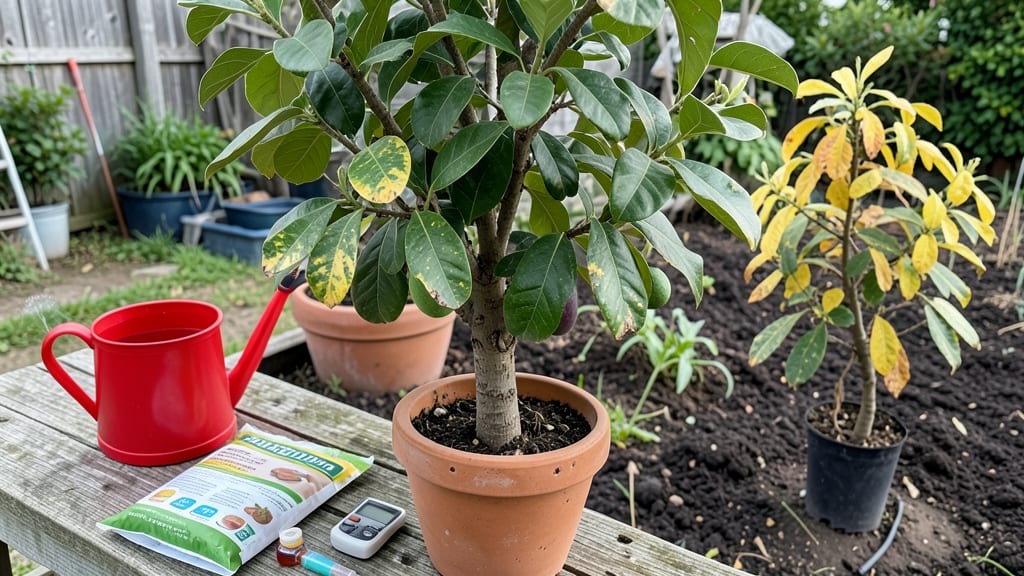
Yellow leaves on your avocado tree mean one thing: it’s time to diagnose the problem before it’s too late. 🌿 I’ve nursed back more than a few struggling trees by fixing nutrient deficiencies—often with just three targeted adjustments that stop the decline fast.
The most common culprits are nitrogen shortages (leaves yellow between veins), overwatering (mushy stems and drooping), or iron deficiency (new growth stays pale).
My indoor avocado’s leaves went from sad and yellow to vibrant green in just 6 weeks after I adjusted its fertilizer and repotted it in fresh, well-draining soil. The key is checking the roots first—healthy roots mean a healthy tree.
You’ll start seeing improvement within 2-3 weeks of the right fixes: balanced fertilizer, proper watering, and occasional foliar sprays. The leaves won’t just stop yellowing—they’ll turn a rich, glossy green that makes your tree look like it’s thriving again. Trust me, this works for both potted and in-ground avocados.
Whether your tree is indoors or out, the same principles apply—just adjust for your climate. A little detective work now saves you from losing your tree entirely. Let’s get those leaves back to their best.
Why it happens
When your avocado tree starts showing yellow leaves, it’s often a cry for help—whether from hidden nutrient deficiencies, environmental stress, or even sneaky pests. Understanding the why behind the yellowing is the first step to saving your tree.
Let’s break down the most common culprits and what they mean for your avocado’s health.
🌱 Nutrient Deficiencies: The Silent Starvers
Avocado trees are heavy feeders, and when they lack essential nutrients, their leaves turn yellow as a warning sign. Here’s what’s likely missing and how to spot it:
- Nitrogen (N): The most common deficiency, causing older leaves to yellow first (a condition called chlorosis). Nitrogen fuels leaf growth, so a lack of it stunts photosynthesis. Test your soil—if it’s below 0.1% nitrogen, your tree is starving.
- Iron (Fe): Yellowing between leaf veins (while veins stay green) is classic iron deficiency. Avocados need iron to produce chlorophyll, and alkaline soils (pH > 7.0) lock it out. Even if iron is present, the tree can’t access it!
- Magnesium (Mg): Yellow patches on older leaves with green veins? Magnesium deficiency often mimics nitrogen issues but starts as interveinal yellowing. Magnesium is vital for chlorophyll production and energy transfer.
- Zinc (Zn) & Manganese (Mn): These trace minerals cause yellowing on young leaves (unlike nitrogen/magnesium). Zinc deficiency may also stunt new growth, while manganese deficiency leads to brown spots between veins.
Pro Tip: 💡 Conduct a soil test to confirm deficiencies before guessing. Over-fertilizing can burn roots—balance is key!
💦 Overwatering or Poor Drainage: Drowning in Disguise
Yellow leaves can signal root stress, often from soggy soil. Avocado trees hate "wet feet"—their roots need oxygen, and waterlogged conditions suffocate them. Here’s how to spot the problem:
- Wilting despite wet soil: Roots can’t absorb water or nutrients, leading to yellowing and leaf drop.
- Mushy, black roots: A sign of root rot (often caused by Phytophthora fungi in overwatered trees).
- Yellowing on lower leaves first: Unlike nutrient deficiencies, waterlogging affects the oldest leaves due to poor nutrient transport.
Fix It: 🔥 Improve drainage by amending soil with perlite or sand, or plant in raised beds. Let the top 2–3 inches of soil dry out between waterings.
☀️ Environmental Stress: Sun, Wind, and Temperature
Avocado trees thrive in USDA Zones 9–11, but push them outside their comfort zone, and stress sets in. Yellow leaves can be a response to:
- Too Much Sun: Scorched leaves (yellow with brown edges) appear when young trees get sudden full sun. Avocados prefer partial shade when acclimating.
- Cold Damage: Temperatures below 28°F (-2°C) cause chlorosis (yellowing) and leaf drop. Cold stress disrupts cell membranes, halting nutrient flow.
- Wind Burn: Desiccated edges (crispy, yellow-brown tips) appear on leaves exposed to harsh winds. Avocados lose moisture faster than they can replace it.
- Salt or Chemical Burn: Yellowing near leaf edges can mean fertilizer burn (too much salt) or pesticide residue. Always water soil before applying chemicals to avoid leaf damage.
Pro Tip: 🌡️ Monitor your tree’s microclimate. Use shade cloth in summer or burlap wraps to protect from wind.
🐜 Pests and Diseases: Hidden Leaf Thieves
Not all yellowing is nutrient-related—sometimes, tiny invaders are to blame. Watch for these signs:
- Spider Mites: Tiny webs + speckled yellowing (especially on undersides of leaves). These pests pierce cells, sucking out chlorophyll.
- Scale Insects: Sticky residue ("honeydew") on leaves + yellowing. Scale insects block nutrient flow by feeding on sap.
- Root-Knot Nematodes: Stunted growth + yellowing despite good care. These microscopic worms damage roots, reducing water/nutrient uptake.
- Fungal Infections (e.g., Anthracnose): Yellow spots with black centers (common in humid climates). Fungi clog stomata, preventing gas exchange.
Act Fast: 🔪 Inspect leaves with a magnifying glass. Treat mites with neem oil or scale with horticultural oil. For nematodes, solarize soil or plant resistant varieties.
Revive Your Avocado Tree Now
Yellow leaves on your avocado tree aren’t just an eyesore—they’re a cry for help! 🌿 But don’t worry, you can turn things around with the right care. Below, we’ll tackle the most common causes of yellowing leaves and show you practical, step-by-step fixes to restore your tree’s health.
Plus, we’ll share prevention tips to keep your avocado thriving long-term.
Signs: Yellowing leaves with brown edges, soggy soil, or roots sitting in water.
How to Fix It: 🔥 Step 1: Check the Soil
- Stick your finger 2-3 inches deep into the soil. If it’s damp or muddy, your tree is overwatered.
- Pro Tip: 🌡️ Use a moisture meter for accuracy—avocado trees prefer soil that’s dry to the touch between waterings.
🍳 Step 2: Adjust Your Watering Routine
- Water deeply but infrequently—once a week (or less in winter) is usually enough.
- Rule of thumb: Water until it drains from the bottom of the pot (if potted) or seeps into the soil (if in-ground).
👨🍳 Step 3: Improve Drainage
- Potted trees? Add a layer of gravel or perlite to the bottom of the pot before repotting.
- In-ground trees? Amend the soil with sand or compost to loosen it up.
⏰ Step 4: Let It Dry Out
- Avoid watering until the top 1-2 inches of soil feel dry. Yellow leaves should fade within 2-4 weeks if the roots get a chance to breathe.
Signs: Pale yellow leaves (especially on newer growth), slow growth, or weak stems.
How to Fix It: 🔥 Step 1: Test Your Soil
- Grab a soil test kit (available at garden centers) to check pH and nutrient levels. Avocados thrive in slightly acidic soil (pH 6.0-7.0).
🍳 Step 2: Fertilize Smartly
- For potted trees: Use a balanced fertilizer (10-10-10 or 20-20-20) diluted to half-strength every 4-6 weeks in growing season (spring-fall).
- For in-ground trees: Apply compost or organic fertilizer (like fish emulsion or banana peel tea) around the base.
- Key nutrients to boost:
- Nitrogen (N) – For lush green leaves (use coffee grounds or blood meal).
- Potassium (K) – For root health (try wood ash or banana peels).
- Magnesium (Mg) – For leaf color (Epsom salt spray: 1 tbsp per gallon of water, applied every 2 weeks).
👨🍳 Step 3: Feed the Roots Right
- Avoid over-fertilizing—this can burn roots and worsen yellowing. Always water before and after applying fertilizer.
✨ Pro Tip: 💡 DIY Avocado Leaf Boost Mix 1 tsp Epsom salt + 1 tsp liquid seaweed fertilizer in a gallon of water. Spray on leaves once a week for 4 weeks to replenish magnesium and micronutrients.
Signs: Yellow patches on leaves exposed to direct sun, crispy edges, or leaf drop.
How to Fix It: 🔥 Step 1: Assess Sun Exposure
- Avocado trees need bright, indirect light—6+ hours of sun daily, but no harsh afternoon rays.
- If outdoors, move the tree to partial shade (e.g., under a sheer curtain or near a fence).
🍳 Step 2: Shield from Harsh Conditions
- Potted trees? Rotate the pot quarter-turn weekly so all sides get even light.
- In-ground trees? Plant near a south-facing wall or use a lightweight shade cloth (30-50%) in peak sun.
👨🍳 Step 3: Acclimate Gradually
- If moving a potted tree outside, harden it off over 7-10 days—start with 2 hours of sun/day, then increase slowly.
⏰ Step 4: Monitor for Recovery
- New leaves should emerge green and healthy within 3-6 weeks if the stress is removed.
- Water wisely: Always check soil moisture before watering—never on a schedule.
- Fertilize seasonally: Stick to spring and summer for best results.
- Prune strategically: Remove yellowed leaves to redirect energy to healthy growth.
- Watch for pests: Spider mites and scale can cause yellowing—spray with neem oil if you spot them.
- Mulch well: Add 2-3 inches of mulch around the base (but keep it 6 inches away from the trunk) to retain moisture and nutrients.
Remember: 🌟 Patience is key! Avocado trees can take 4-6 weeks to show improvement after adjustments. Stick with it, and your tree will reward you with vibrant green leaves and delicious fruit in no time.
Frequently asked questions
Why do the oldest leaves turn yellow first on my avocado tree?
This is usually a sign of nitrogen deficiency or natural leaf senescence (aging). Avocado trees prioritize nutrients to new growth, so older leaves yellow first when nitrogen is low. Check if the yellowing starts at the base of the tree and moves upward—this confirms nitrogen starvation. A balanced fertilizer or compost tea can restore green color in 3-4 weeks.
Can I save my avocado tree if the yellowing is from overwatering?
Yes, but act fast! Stop watering immediately and let the top 3 inches of soil dry out completely. If roots are mushy or black (root rot), repot in fresh, well-draining soil with perlite. For severe cases, prune affected roots with sterilized scissors. Recovery takes 4-6 weeks if caught early—yellow leaves will drop as new growth emerges.
What’s the difference between iron deficiency and nitrogen deficiency in avocado trees?
Iron deficiency causes yellowing between veins (veins stay green), while nitrogen deficiency turns leaves completely yellow (starting with older leaves). Iron issues often occur in alkaline soil (pH >7.0), while nitrogen problems stem from poor soil quality. Test your soil—iron needs chelated supplements, while nitrogen responds to compost or balanced fertilizer.
Will pruning yellow leaves help my avocado tree recover?
Yes, but only after addressing the root cause! Prune only yellow leaves with brown edges (dead tissue) to redirect energy to healthy growth. Avoid cutting green leaves with yellow patches—this stresses the tree. Focus first on fixing water, nutrients, or pests. Prune in late winter for best results.
How often should I fertilize an avocado tree with yellow leaves?
Start with a soil test to avoid overdoing it. For potted trees, use a balanced fertilizer (like 10-10-10) at half-strength every 6 weeks in growing season (spring-fall). For in-ground trees, apply compost annually. Never fertilize if soil is waterlogged—this burns roots. Always water before and after applying fertilizer.