
Trees
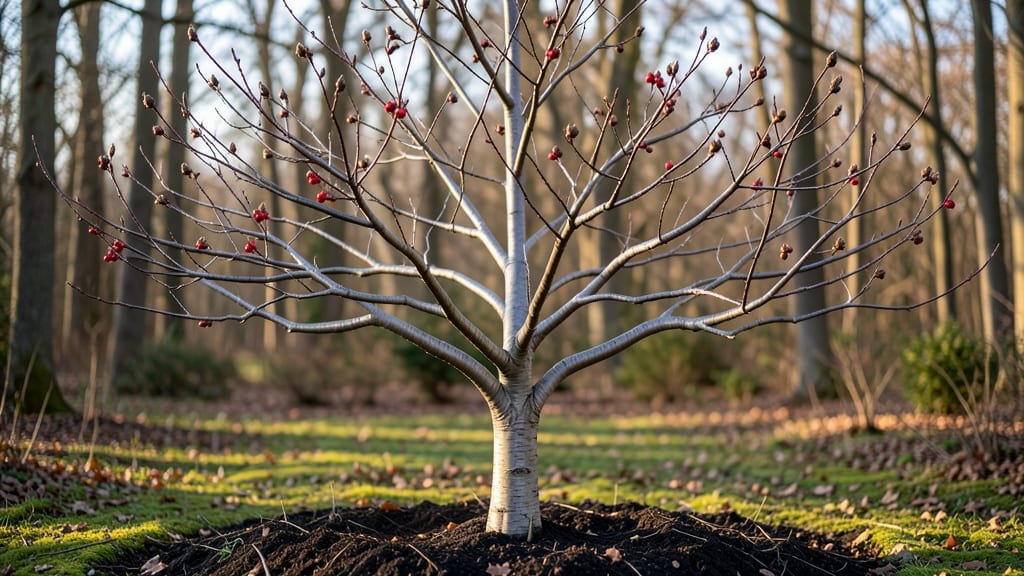
A dogwood tree without leaves is often a cry for help—whether from disease, stress, or seasonal shifts. 🌳 I’ve seen anthracnose turn vibrant canopies into skeletal branches overnight, but early action can save even the most devastated trees.
The key is identifying the real cause before jumping to pruning or treatments.
Start by checking for black spots (anthracnose), yellowing edges (nutrient burn), or bare branches (frost damage). Dogwoods naturally shed leaves in fall, but if it’s mid-summer or spring, something’s wrong.
Prune only dead wood first—never healthy branches—and water deeply if the soil feels dry. The goal? Give your tree a fighting chance before diseases take hold.
📚 In This Guide
- What you need
- Instructions
- Tips and common mistakes
- Wrapping up and next steps
What you need
- ● Pruning shears: Bypass pruners (for cuts up to ½ inch thick) or anvil pruners (for thicker branches). Choose sharp, high-quality tools to make clean cuts. 🔪
- ● Loppers: Bypass loppers (for branches ½ to 1½ inches thick). Look for tools with ratcheting handles for easier cutting.
- ● Pruning saw: A curved-tooth handsaw or pruning saw for branches thicker than 1½ inches. A foldable saw adds convenience.
- ● Gloves: Heavy-duty, gardening gloves with cut-resistant palms to protect your hands from thorns and rough bark.
- ● Disinfectant: Rubbing alcohol (70% isopropyl) or a pruning sealant to sterilize tools between cuts and prevent disease spread.
- ● Ladder: A stable, extendable ladder (e.g., aluminum extension ladder) if your tree exceeds 6 feet in height. Ensure it’s rated for at least 250 lbs.
- ● Safety gear: Safety glasses or goggles to shield eyes from debris.
- ● Long sleeves and long pants to protect against scratches.
- ● Pruning paint: Tree wound dressing (e.g., Tanglefoot Tree Wound Pruning Seal) to seal large cuts and reduce disease risk.
- ● Work gloves with grip: Mechanic’s gloves for better grip on slippery tools.
- ● Wheelbarrow or bucket: To collect and dispose of pruned branches efficiently.
- ○ Tree growth regulator: Optional fertilizer (e.g., balanced 10-10-10) to nourish the tree post-pruning.
- ● Camera or phone: To document the tree’s condition before and after pruning for reference.
- ● Weather check: Prune on a dry, overcast day to avoid stressing the tree. Early morning or late afternoon is ideal.
- ● Tree health assessment: Inspect the tree for signs of disease (fungus, cankers) or pests (borers, beetles) before pruning.
- ● Local regulations: Check if your area requires a permit for large-scale pruning (common in urban or protected zones).
- ● Safety first: Ensure the area below the tree is clear of people, pets, and flammable materials.
Instructions for revitalizing a dogwood tree without leaves
Here's how to diagnose and restore your dogwood's health with targeted pruning and care.
🌿 Step 1: Assess the Problem and Gather Tools
Start by examining the tree for signs of disease, pests, or environmental stress. Dogwoods lose leaves due to fungal infections like anthracnose, borer infestations, or winter damage. Grab your pruning shears, sterilizing solution (1 part bleach to 9 parts water), gloves, and a sharp saw for thicker branches. I always disinfect tools between cuts—this prevents spreading any potential fungal spores.
Look for these key indicators: brown, mushy stems (borer damage), black spots on twigs (anthracnose), or cracked bark (winter burn). Healthy dogwood bark is smooth and grayish-brown. If you see hollow stems or sawdust-like frass, you're dealing with borers—a serious problem that requires immediate action.
✂️ Step 2: Prune for Airflow and Light Penetration
Begin by removing all dead, diseased, or crossing branches first. Cut back to the branch collar—the swollen area where the branch meets the trunk—using a clean, sharp cut. Never leave stubs, as they invite infection. For larger branches over 1 inch thick, make a 3-inch undercut first to prevent bark tearing when the branch falls.
Thin the canopy by opening it up—this improves airflow and sunlight exposure, which are critical for preventing future fungal issues. Aim to remove 20-30% of the total canopy in one season. You'll see light filtering through to the inner branches after this step, signaling improved growing conditions for the remaining foliage.
☀️ Step 3: Apply Targeted Care for Recovery
After pruning, apply a balanced fertilizer (10-10-10 ratio) around the tree's drip line in early spring, about 6 weeks after pruning. Water deeply to a depth of 12 inches, checking with a soil probe. Dogwoods need consistent moisture—1-2 inches per week—especially during their first growing season after pruning.
If you suspect fungal disease, spray with a copper fungicide according to label instructions. For borer infestations, inject systemic insecticide into the base of the tree in late winter. You'll know the treatment is working when you see new growth at the branch tips within 4-6 weeks.
🪴 Step 4: Monitor and Maintain Through the Season
Check the tree weekly for new leaf buds forming in spring. If you don't see any by late April or early May, the problem may be more severe—consider consulting an arborist. Mulch the base with 2-3 inches of organic mulch, keeping it 6 inches away from the trunk to prevent rot.
Dogwoods are sensitive to soil pH—aim for 5.0-6.5. Test your soil and amend with sulfur if needed. Avoid heavy pruning in subsequent years unless necessary. A well-maintained dogwood should show new leaves by mid-to-late spring and recover its full canopy within 2-3 years.
Tips & tricks for revitalizing a dogwood tree without leaves
Here's what I've learned from years of helping dogwoods bounce back—these details make all the difference between a temporary fix and lasting recovery.
Diagnosis Precision: When examining the tree in Step 1, pay special attention to the leaf scars on branches. Healthy leaf scars are clean and crescent-shaped, while fungal infections often leave behind blackened, irregular edges. I've seen many cases where homeowners assumed winter damage when it was actually anthracnose—this distinction changes the entire treatment approach.
Pruning Technique: In Step 2, when making that 3-inch undercut for branches over 1 inch thick, angle your cut slightly upward to prevent water from pooling in the wound. This small detail dramatically reduces the risk of infection at the cut site. I've watched trees recover beautifully after proper pruning only to get reinfected because of improper cut angles.
Fertilizer Timing: The 6-week window after pruning for applying fertilizer in Step 3 is critical—this gives the tree time to heal from pruning stress before introducing nutrients. I recommend applying half the fertilizer dose immediately after pruning, then the remaining half 3 weeks later. This staged approach prevents nutrient burn while still supporting recovery.
Monitoring System: Create a simple monitoring schedule by marking your calendar for weekly checks starting in early March. Look for tiny green buds at the branch tips—these are your first sign of recovery. I keep a small notebook by my dogwoods where I record bud appearance dates each year, which helps me track progress and adjust care as needed.
Pro Tips for Dogwood Tree Without Leaves
- Here's what I've learned from years of helping dogwoods bounce back—these details make all the difference between a temporary fix and lasting recovery.
- Diagnosis Precision: When examining the tree in Step 1, pay special attention to the leaf scars on branches.
- Pruning Technique: In Step 2, when making that 3-inch undercut for branches over 1 inch thick, angle your cut slightly upward to prevent water from pooling in the wound.
Frequently asked questions
Got questions about your leafless dogwood? You’re not alone!
Here are answers to the most common concerns—from seasonal changes to troubleshooting—so you can restore your tree’s health with confidence.
Why does my dogwood tree lose all its leaves at once?
A sudden leaf drop can signal stress from drought, pests (like spider mites), disease (e.g., anthracnose), or environmental shock (e.g., extreme heat/cold). Dogwoods also shed leaves naturally in late fall/winter, but if it’s mid-spring or summer, investigate further. Check for yellowing leaves, holes, or fungal spots to pinpoint the issue.
When is the best time to prune a leafless dogwood?
Late winter to early spring (when the tree is dormant but before buds swell) is ideal—typically February–March in most climates. Pruning then minimizes stress and prevents disease spread. Avoid pruning in fall, as wounds take longer to heal, or in summer, which can stress the tree.
Can I prune a dogwood without leaves to encourage regrowth?
Yes! Pruning a leafless dogwood helps remove dead/diseased wood and improve airflow. Focus on:
- Cutting out crossing or rubbing branches ( use clean, sharp tools).
- Thinning the canopy by 20–30% max to avoid over-pruning.
- Shaping the tree to open its center for sunlight.
What if my dogwood still doesn’t leaf out after pruning?
If the tree remains bare, consider these steps:
- Check for borers or fungal diseases (consult a local arborist).
- Ensure it’s in well-draining soil with consistent moisture (not soggy).
- Fertilize lightly in early spring with a balanced, slow-release formula (10-10-10).
- Monitor for nutrient deficiencies (e.g., yellow leaves = nitrogen lack).
Are there dogwood alternatives that stay green year-round?
If you love dogwoods but want evergreen options, consider:
- Inkberry Holly (Ilex glabra) – Dark, glossy leaves; drought-tolerant.
- Oakleaf Hydrangea – Deciduous but with vibrant fall color.
- Camellia – Semi-evergreen with stunning flowers.
- Japanese Maple – Stays green longer; great for shade.
Wrapping up and next steps
A dogwood tree without leaves doesn’t have to be a lost cause—with the right pruning techniques, patience, and care, you can coax it back to health and beauty. 🌿 Remember, timing, tools, and technique are your best allies, so take your time and follow best practices to avoid stressing the tree further.
Now that you’re armed with the knowledge, roll up your sleeves and give your dogwood the TLC it deserves. Start by assessing its condition, then tackle pruning with confidence—your tree (and your garden!) will thank you for it.