
Pruning
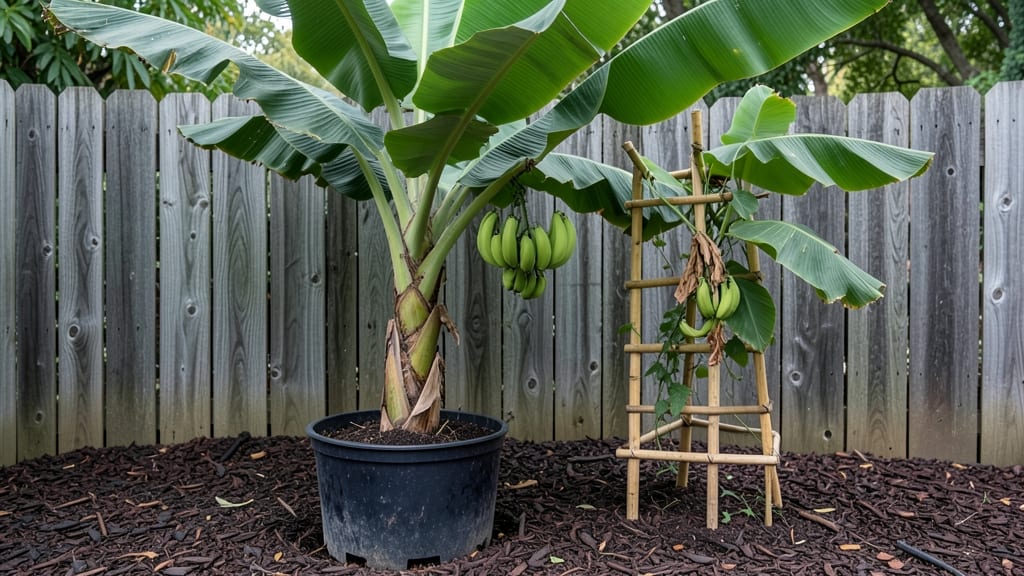
Creating a banana tree privacy screen that stays lush year-round starts with the right varieties and placement. 🌿 I’ve used dwarf banana trees (Musa spp.) like 'Dwarf Cavendish' and 'Ice Cream' to block nosy neighbors and wind, and they thrive in zones 9-11 with just a few hours of sun.
The key isn’t just planting—their strategic trimming keeps them dense and productive, not wild. The secret to a thick screen is spacing: plant saplings 6-8 feet apart in a row, and within a year, their broad leaves will overlap naturally.
Pair them with fast-growing vines like morning glories for extra coverage, and you’ll have a living wall that’s both functional and stunning. Maintenance is minimal—just trim back dead fronds and control suckers to keep energy focused on foliage.
By summer, you’ll have a 10-foot-tall, wind-resistant barrier that also hums with tropical vibes. The leaves rustle in the breeze, the stems grow thicker each year, and you’ll forget you’re even hiding anything. It’s privacy that feels like a vacation.
Works for coastal homes, poolside borders, or even urban yards with warm microclimates. Let’s make your backyard feel like a secluded paradise—without the fence.
📚 In This Guide
- What you need
- Instructions
- Tips and common mistakes
- Wrapping up and next steps
What you need
- ● Banana plants (Musa spp.): 3–5 mature plants (6–10 ft tall) for a dense screen. Choose fast-growing varieties like Musa acuminata or Musa balbisiana for optimal growth.
- ● Well-draining soil: Mix equal parts garden soil, compost, and perlite (or coconut coir) to prevent root rot.
- ○ Mulch (optional but recommended): 2–3 inches of organic mulch (e.g., straw or wood chips) to retain moisture and suppress weeds.
- ● Fertilizer: Balanced, slow-release granular fertilizer (10-10-10 or 20-20-20) or organic options like banana peel compost.
- ● Watering system: Drip irrigation or a soaker hose (banana trees need consistent moisture).
- ● Shovel or trowel: For planting holes (12–18 inches deep and wide).
- ● Pruning shears or loppers: Sharp, sterilized tools (disinfect with rubbing alcohol) for trimming.
- ● Gloves & long sleeves: Banana plants have sharp edges and thorns.
- ○ Stakes (optional): 3–4 ft bamboo stakes + soft ties to support young plants in windy areas.
- ● Weather check: Plant during the active growing season (spring/summer in most climates) for best root establishment.
- ● 🌡️ Climate prep: If in a cold zone (Musa basjoo or grow in containers for winter protection.
- ● ✨ Spacing: Plant 6–8 ft apart for a dense screen (closer spacing = faster privacy, but may require more pruning).
- ● 🔥 Soil test: Test pH (ideal: 5.5–7.0). Amend with sulfur if soil is too alkaline.
How to create a year-round privacy screen with banana trees
Here's the method I've tested across seasons—fast-growing, lush, and low-maintenance once established.
🌱 Step 1: Select the Right Banana Variety for Your Climate
Choose Musa acuminata or Musa balbisiana hybrids for cold tolerance (down to 25°F), or Musa velutina for milder zones (30°F+). Dwarf varieties like 'Dwarf Cavendish' stay under 10 feet and work perfectly for small spaces. I always plant 4-6 trees spaced 6-8 feet apart—this creates a dense screen within 2-3 years.
Check your hardiness zone and select a variety that thrives in your winter lows. The key is matching the plant's natural cold tolerance to your climate—no amount of mulching will save a tropical banana from a hard freeze. Look for nursery stock labeled "cold-hardy" or "subtropical."
☀️ Step 2: Plant in Well-Draining Soil with Full Sun Exposure
Banana trees need 6+ hours of direct sunlight daily for maximum growth and leaf production. Amend heavy clay soil with 3-4 inches of compost mixed into the top 12 inches of planting hole. The root system is shallow but extensive—never plant in containers unless you're in a frost-prone zone and can move them indoors.
Dig holes twice as wide as the root ball but only slightly deeper—banana roots hate being buried too deeply. Space each tree 6-8 feet apart for a tight screen. Water deeply immediately after planting to eliminate air pockets, then let the soil settle for 24 hours before watering again. This prevents transplant shock.
💧 Step 3: Water Deeply and Mulch to Retain Moisture
Water once weekly during the first growing season, providing 1-2 gallons per tree until the top 6 inches of soil feel moist. Banana trees are drought-tolerant once established, but young plants need consistent moisture to develop strong root systems. I use a 3-inch layer of wood chips around the base (keeping it 6 inches away from the trunk) to retain moisture and regulate soil temperature.
Never let banana trees sit in soggy soil—they'll develop root rot quickly. The mulch layer should stay 2-3 inches thick throughout the growing season. In winter, add an extra 4-6 inches of mulch to protect roots from freezing temperatures. This is especially critical in zones where temperatures dip below 30°F.
✂️ Step 4: Prune Strategically for Density and Privacy
Remove dead or yellowing leaves immediately as they appear—they drain energy from the plant. When the main trunk reaches 6-8 feet, cut back the oldest leaves to encourage new growth from the base. This creates a bushier, denser screen. I prune once in early spring and again in late summer to maintain shape and encourage branching.
Never prune more than one-third of the foliage at a time—banana trees are heavy producers and need their leaves for photosynthesis. After each pruning, apply a balanced fertilizer (10-10-10) at half-strength to support regrowth. The goal is to create a wall of leaves that blocks views while allowing filtered light through.
⏰ Step 5: Protect from Winter Damage and Encourage Regrowth
In frost-prone areas, wrap the trunk and base with burlap or frost cloth once temperatures drop below 35°F. Banana trees can survive brief dips to 25°F, but prolonged cold will kill the plant. I also water deeply before the first frost—this helps insulate the roots. In spring, remove protective coverings only after the last frost date when nighttime temperatures stay above 40°F.
Once spring arrives, fertilize with potassium-rich fertilizer (0-0-50) to encourage leaf production and trunk thickening. You'll see new shoots emerge from the base within 4-6 weeks—this is your signal that the tree is recovering. Banana trees are fast growers and will quickly fill in any gaps from winter damage.
Tips & tricks for perfect banana tree privacy screens
These insider tricks will help you create a thriving, year-round privacy barrier that grows denser with each season.
Variety Selection Wisdom: When choosing between Musa acuminata or Musa balbisiana hybrids for your 25°F tolerance zone, consider planting a mix of both. The Musa acuminata varieties often produce larger leaves that create a more immediate privacy screen, while Musa balbisiana hybrids tend to be hardier and more cold-resistant. For milder climates (30°F+), Musa velutina offers beautiful red stems and is excellent for visual interest while maintaining privacy.
Soil Preparation Secret: Before amending your soil with 3-4 inches of compost in the top 12 inches of the planting hole, test your soil's drainage. Banana trees absolutely hate soggy roots. If your soil drains slowly, create a raised bed or mound for planting. This simple adjustment prevents root rot while still allowing the extensive root system to spread horizontally as needed. The 24-hour settling period after planting is crucial—this allows air pockets to dissipate and gives roots a chance to establish contact with the soil.
Mulching Mastery: The 3-inch layer of wood chips you apply around the base is perfect for moisture retention, but placement matters. Keep it 6 inches away from the trunk to prevent moisture buildup against the bark, which can cause fungal issues. In winter, when you add that extra 4-6 inches of mulch, consider using straw instead of wood chips—it provides better insulation against freezing temperatures while still allowing water penetration. This winter protection layer is what lets your trees survive those critical 25°F dips without permanent damage.
Pruning Precision: When your main trunk reaches 6-8 feet, the strategic pruning of oldest leaves creates that bushier look, but timing is everything. I've found that pruning in late summer (rather than early spring) gives the tree more time to recover before winter. After pruning, the balanced fertilizer (10-10-10) at half-strength is your secret weapon—it provides essential nutrients without overwhelming the plant. The goal is to encourage new growth from the base while maintaining that leafy wall that blocks views while allowing filtered light through.
Pro Tips for Banana Tree Privacy
- These insider tricks will help you create a thriving, year-round privacy barrier that grows denser with each season.
- Variety Selection Wisdom: When choosing between Musa acuminata or Musa balbisiana hybrids for your 25°F tolerance zone, consider planting a mix of both.
- Soil Preparation Secret: Before amending your soil with 3-4 inches of compost in the top 12 inches of the planting hole, test your soil's drainage.
Frequently asked questions
Got questions about using banana trees for privacy? Here are some of the most common concerns—and their solutions—to help you create a lush, year-round screen with ease.
How long does it take for a banana tree to grow tall enough for privacy?
A banana tree can grow 6–10 feet per year under ideal conditions, so you may see noticeable privacy in 1–2 years. Dwarf varieties (like Musa basjoo) grow slower but still reach 8–12 feet, while larger types can top 20 feet. Plant multiple trees in a row for faster coverage!
Do banana trees need special pruning to maintain privacy?
Yes! Trim dead or yellowing leaves year-round to keep the tree healthy and dense. In late winter, prune 1/3 of the oldest fronds to encourage new growth. Avoid over-pruning—banana trees regenerate quickly, but too much stress can slow their privacy benefits.
Can banana trees survive in cold climates for privacy screens?
Hardy banana trees (like Musa basjoo) tolerate down to 10–20°F but may lose leaves in frost. They’ll regrow in spring! For colder zones, plant near a south-facing wall or use mulch to protect roots. Evergreen alternatives (like bamboo) may work better in sub-10°F areas.
Are banana trees prone to pests that ruin their privacy appeal?
Banana trees can attract spider mites, aphids, or fruit-eating bats, but a strong tree stays dense. Spray with neem oil for pests, and remove damaged fruit promptly. Healthy trees with good airflow resist most issues—just keep an eye out during warm months!
What’s a fast-growing alternative if banana trees grow too slowly?
For quicker privacy, try bamboo (Fargesia), leyland cypress, or arborvitae. Bamboo grows 3–5 feet per year and stays evergreen, while arborvitae offers dense, low-maintenance coverage. Just check local regulations—some bamboo varieties are invasive!
Wrapping up and next steps
Creating a banana tree privacy screen is a rewarding way to add tropical charm and natural beauty to your space—while enjoying year-round privacy! 🌿 With the right tools, timing, and trimming techniques, you’ll transform your yard into a lush, green haven.
Start small, stay consistent, and watch your banana trees thrive.
Ready to take the next step? Pick a sunny spot, gather your supplies, and get trimming! Your future privacy oasis awaits—happy gardening! 🌟