
Diseases
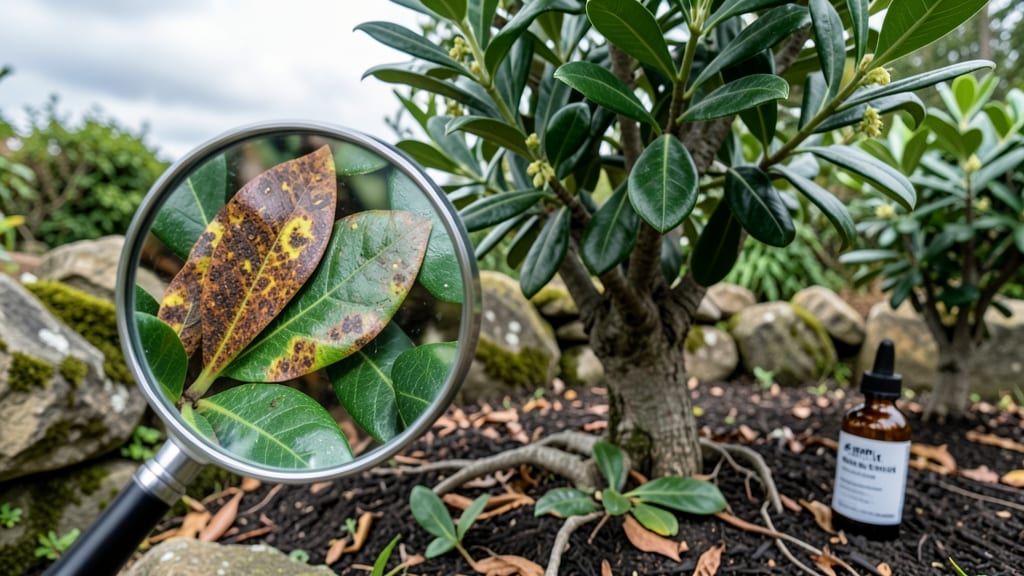
Bay tree diseases strike fast, but catching them early means saving your prized plant. 🌿 I’ve watched fungal blights turn glossy leaves to brown slime in just weeks—until I learned the telltale signs and quick fixes that work.
The worst offenders—root rot, powdery mildew, and bacterial blight—all start with the same warning: yellowing leaves, dark spots, or a strange powdery coating. Most gardeners ignore these until the plant collapses, but acting within 48 hours stops the spread dead in its tracks.
You’ll learn to prune infected branches, adjust watering habits, and apply organic sprays that work faster than store-bought chemicals. No more losing your bay tree to a mystery sickness—just clear steps to diagnose and cure. Works for potted plants, garden beds, or even those stubborn kitchen-garden survivors.
Let’s get your bay tree back to healthy, fragrant perfection.
Root Causes Behind Bay Tree Troubles
Bay trees, those evergreen stalwarts of gardens and kitchens, aren’t immune to nature’s curveballs. When diseases strike, they’re usually the result of a perfect storm of environmental stress, microbial invaders, or poor cultural practices.
Understanding why these problems arise is the first step to prevention—and keeping your bay tree thriving. Let’s break down the science behind the most common culprits.
Bay trees despise soggy roots. When soil stays too wet—whether from overzealous watering, compacted clay, or inadequate drainage—Phytophthora (a water-mold fungus) and root rot move in like uninvited guests. Here’s how it happens:
- 🔬 Fungal Feast: Fungi like Phytophthora cinnamomi thrive in anaerobic (oxygen-poor) soil. Their spores germinate in waterlogged conditions, attacking roots and blocking nutrient uptake.
- 🌡️ Temperature Matters: Warm, humid climates (like coastal regions) accelerate fungal growth. Even in cooler areas, mulch piled too high can trap moisture against the trunk, creating a disease-friendly microclimate.
- 🚨 Symptoms to Watch: Yellowing leaves, wilting despite moist soil, and roots that turn brown/black when pulled are red flags. Pro Tip: Stick your finger in the soil—if the top 2 inches are damp, wait to water!
Fungal diseases like Bay Sudden Death (caused by Mycosphaerella) and anthracnose spread via spores—tiny, invisible projectiles launched by wind, rain, or even your pruners. Here’s the science:
- 🌧️ Rain as a Delivery System: Heavy rain splashes spores from infected leaves onto healthy ones, creating entry points through stomata (leaf pores). Humidity >75% for 24+ hours? Spores party like it’s 1999.
- 🌿 Crowded Canopies: Poor air circulation in dense foliage traps moisture and spores. Bay trees in shaded or overplanted areas are high-risk targets.
- 🔥 Heat Stress: High temperatures weaken the tree’s defenses, making it easier for fungi to colonize. Pro Tip: Prune for airflow and avoid overhead watering—aim for the base!
Before fungi strike, pests like bay scale, aphids, or spider mites often sap the tree’s vitality, leaving it vulnerable. Here’s the chain reaction:
- 🐛 Sugar-Craving Invaders: Sap-sucking pests inject toxins and excrete honeydew, fostering sooty mold—a black fungal growth that smothers leaves and blocks sunlight.
- 🌡️ Stress = Open Invitation: Pests thrive in dry, hot conditions, which also stress the tree. Weakened bay trees can’t mount a defense against fungal invaders like Botrytis (gray mold).
- 💡 Break the Cycle: Treat pests early with neem oil or insecticidal soap. Healthy leaves = fewer fungal landing pads!
Bay trees are tough, but extreme conditions can push them over the edge. Cold snaps, drought, or sudden temperature swings disrupt their physiology, making them susceptible to opportunistic diseases.
- ❄️ Winter Burn: Freeze-thaw cycles damage cell walls, creating wounds where Cylindrocladium (a root-infecting fungus) can enter. Pro Tip: Mulch 3–4 inches deep in winter to insulate roots.
- ☀️ Sun Scorch: Intense afternoon sun + dry soil = crispy leaf edges. Stressed leaves can’t photosynthesize efficiently, weakening the tree’s immune response.
- 💧 Drought Followed by Downpours: Sudden heavy rain after a dry spell can “waterlog” roots, triggering Armillaria (shroom root rot) in susceptible bays.
Key Takeaway: Most bay tree diseases are secondary infections—they exploit stress first. By addressing water, airflow, pests, and environmental extremes, you’re not just treating symptoms; you’re cutting off the problem at its source. 🌿
Fixing Bay Tree Problems Fast
Now that you’ve identified the issue plaguing your bay tree, it’s time to take action! Early intervention is key—whether you’re dealing with fungal blights, pests, or environmental stress. Below, we’ve mapped out practical, step-by-step solutions for each common problem, plus prevention tips to keep your bay tree thriving long-term.
Fungal infections can weaken or kill your bay tree if left unchecked. Here’s how to stop the spread and restore health:
🔥 Remove Infected Foliage Immediately
- Step 1: Snip off all visibly infected leaves, stems, or branches using sterilized pruners (wipe with rubbing alcohol between cuts).
- Step 2: Dispose of the clippings in a sealed plastic bag—do not compost them to prevent reinfection.
- ✨ Pro Tip: Focus on new growth first, as fungi often start there.
🍳 Apply Fungicidal Treatment
- Option 1: Neem oil spray (natural, organic choice)
- Mix 1 tsp neem oil + 1 tsp mild soap + 1 quart water.
- Spray both sides of leaves until damp.
Repeat every 7–10 days until symptoms fade. - Option 2: Copper fungicide (for severe cases) - Follow label instructions—apply in the early morning or evening to avoid leaf burn. - ⏰ Timing Matters: Treat at the first sign of infection, not after widespread damage occurs.
🌡️ Improve Airflow & Reduce Moisture Fungi love humid, stagnant conditions.
Break the cycle with: - Prune for airflow: Thin out dense branches to allow sunlight and air circulation. - Water at the base: Avoid overhead watering—use a drip irrigation system or watering can with a narrow spout. - Space plants properly: If growing multiple bay trees, keep them 3–5 feet apart.
🎯 Prevent Recurrence
- Sterilize tools before and after pruning.
- Mulch lightly (1–2 inches) to regulate soil moisture without suffocating roots.
- Avoid wetting foliage during watering or rain.
Pests sap your bay tree’s strength, leading to yellowing leaves and stunted growth. Act fast with these targeted fixes:
🔪 Blast Off Pests with Insecticidal Soap
- DIY recipe: Mix 1 tbsp castile soap + 1 quart water in a spray bottle.
- Apply thoroughly to all leaf surfaces, especially undersides where pests hide.
- Repeat every 5–7 days until pests disappear.
- ✨ Pro Tip: For stubborn scale insects, soak a cotton ball in rubbing alcohol and dab directly onto pests.
👨🍳 Introduce Beneficial Insects
- Ladybugs and lacewings devour aphids and mites naturally.
- Purchase from a garden center and release them in the early morning or evening (they’re sensitive to sunlight).
🌿 Strengthen Tree Resilience
- Fertilize lightly with a balanced, slow-release fertilizer (10-10-10) to boost immunity.
- Wash leaves with water and a soft brush to remove dust and pests weekly.
🚫 Long-Term Prevention
- Inspect new plants before bringing them home.
- Quarantine new additions for 2–4 weeks to monitor for pests.
- Encourage natural predators by planting marigolds or basil nearby.
If your bay tree’s roots are drowning, drainage and cultural fixes are critical.
💡 Drainage First: The Quick Fix
- Check the pot: Ensure it has drainage holes—if not, transfer to a new container ASAP.
- Repot if needed:
- Remove the tree, trim mushy roots with sterilized scissors.
- Use a well-draining mix (50% potting soil, 30% perlite, 20% sand).
- Upgrade to a pot 1–2 inches larger with drainage holes.
🥘 Adjust Watering Habits
- Let soil dry out between waterings—stick your finger 1–2 inches deep; if dry, water.
- Water deeply but infrequently—bay trees prefer dry spells over soggy soil.
- Use a moisture meter for accuracy (aim for 40–60% moisture).
🌡️ Environmental Tweaks
- Move to a sunnier spot (bay trees need 6+ hours of sunlight daily).
- Reduce humidity around the tree—avoid placing near humidifiers or in bathrooms.
🔥 Emergency Recovery Steps
- If roots are severely rotted, prune back all affected roots and trim foliage by 30% to reduce stress.
- Apply a fungal treatment (like hydrogen peroxide spray—3% solution) to prevent further rot.
Even after treating the issue, consistent care keeps your tree healthy:
| Issue | Fix | Prevention Tip |
|---|---|---|
| Yellowing leaves | Check for overwatering or nutrient deficiency; fertilize with iron supplement if needed. | Test soil pH (bay trees prefer 6.0–7.0). |
| Dropping leaves | Could be underwatering, pests, or transplant shock; adjust care accordingly. | Gradually acclimate to outdoor conditions. |
| Stunted growth | Prune dead wood, improve sunlight, and fertilize with low-nitrogen feed. | Prune once a year in late winter. |
Final Reminder: 🌟 Patience is key—some treatments take 2–4 weeks to show results. Monitor your bay tree closely, and don’t hesitate to repeat treatments if symptoms persist. With the right care, your bay tree will bounce back stronger than ever!
Frequently asked questions
What are the first signs my bay tree has a fungal disease?
Watch for dark brown or black spots on leaves, especially along leaf edges or veins, and a powdery white coating (powdery mildew). You might also see yellowing leaves that eventually brown and curl. Check the undersides of leaves too—fungi often start there.
Can I save a bay tree with root rot, or is it already too late?
It’s not too late if you act fast! First, remove the tree from its pot and trim all mushy, black roots with sterilized scissors. Repot in fresh, well-draining soil (50% potting mix, 30% perlite, 20% sand) and reduce watering immediately. If over 50% of roots are rotted, the tree may not recover.
How often should I spray neem oil on my bay tree to prevent diseases?
Apply a neem oil spray (1 tsp neem oil + 1 tsp mild soap per quart of water) every 7–10 days during growing season (spring-fall). For prevention, 2–3 applications per season keeps fungal spores in check. Always spray in the early morning or evening to avoid leaf burn.
Why do my bay tree leaves turn yellow even when I’m not overwatering?
Yellowing leaves can signal nutrient deficiencies (like iron or nitrogen), pest damage (aphids or spider mites), or transplant shock. Test your soil—bay trees prefer pH 6.0–7.0. If pests are the issue, treat with insecticidal soap and inspect leaf undersides regularly.
Are there any natural remedies for bay tree diseases that work better than chemicals?
Try a baking soda spray (1 tsp baking soda + 1 quart water + a drop of dish soap) for powdery mildew, or hydrogen peroxide spray (1 tbsp 3% H₂O₂ per quart of water) to kill fungal spores. For bacterial issues, copper fungicide (organic versions exist) is highly effective when applied early.