
Pests and Diseases
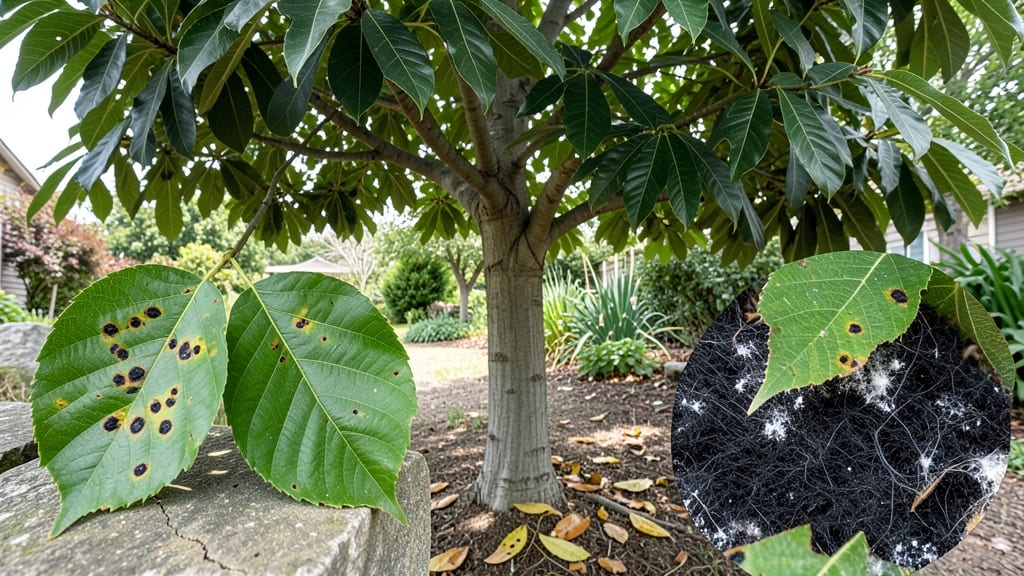
Black spots on pecan tree leaves are typically caused by fungal infections like anthracnose or leaf scab, which spread rapidly in damp, warm weather. Remove infected foliage immediately, treat with copper-based fungicide, and improve air circulation to stop the disease before it worsens.
These fungal pathogens thrive when humidity stays high and temperatures hover between 70-85°F, creating perfect conditions for spores to germinate. 🌱 The key to stopping the spread is early intervention—pruning affected leaves before spores mature can prevent the disease from moving to other parts of the tree.
I’ve found that a 1% copper fungicide spray applied every 7-14 days during wet seasons works best, but organic options like neem oil can also help if used consistently.
Beyond chemical treatments, improving airflow around your pecan tree makes a huge difference. Thin out dense branches and avoid overhead watering to keep leaves dry. Adding composted mulch around the base also strengthens the tree’s natural defenses over time.
The sooner you act, the better your chances of saving those leaves—and your harvest!
💡 In This Article
- Identifying Fungal Diseases Causing Black Spots on Pecan Leaves
- Step-by-Step Natural Remedies for Treating Black Spot Fungus
Identifying fungal diseases causing black spots on pecan leaves
Two primary fungal pathogens cause those unsightly black spots on pecan leaves: anthracnose (caused by Colletotrichum gloeosporioides) and leaf scab (caused by Marssonina brunnea).
Anthracnose thrives in temperatures between 75-85°F and high humidity, while leaf scab prefers slightly cooler conditions (65-75°F) but still requires moisture to spread.
The key difference lies in their symptoms: anthracnose creates sunken, dark spots with yellow halos, while leaf scab produces raised, olive-brown bumps on the leaf surface.
Fungal spores overwinter in infected leaves and buds, then release when conditions become favorable. A single rainstorm can splash spores onto healthy leaves, creating new infection sites within 48-72 hours.
The disease progresses rapidly because these fungi produce enzymes that break down leaf cell walls, causing tissue necrosis. 🌱 What makes this particularly frustrating is how quickly spores can reinfect the same area—some species produce thousands of spores per infected leaf within weeks.
Visual identification is crucial for effective treatment. Anthracnose spots often appear on younger leaves first and may merge into larger, irregular patches as the season progresses. Leaf scab, meanwhile, typically shows up as small, velvety spots that darken and become crusty.
Both diseases weaken the tree by reducing photosynthesis, which can lead to premature leaf drop and stunted nut production. The earlier you catch these symptoms, the more effective your treatments will be.
Environmental factors play a massive role in disease severity. Pecan trees planted in low-lying areas or near water sources experience 30-50% higher infection rates due to prolonged leaf wetness.
Even short periods of high humidity (above 80% relative humidity for more than 9 hours/day) create ideal conditions for spore germination. This is why late spring and early summer—when both temperature and moisture peak—are critical monitoring periods.
Another key detail is how these fungi exploit tree stress. Drought conditions or nutrient deficiencies weaken the tree's natural defenses, making it twice as susceptible to infection. That's why maintaining proper soil health through regular compost applications and balanced fertilization is just as important as fungicide treatments.
A healthy tree can often fend off early-stage infections before they become severe.
For accurate diagnosis, collect a few infected leaves and examine them under a magnifying glass. Look for the characteristic fungal structures: anthracnose produces pinkish spores in acervuli (cup-shaped structures), while leaf scab shows dark, thread-like hyphae spreading between leaf cells.
If you're unsure, submit samples to your local cooperative extension service for confirmation—this ensures you're targeting the right pathogen with the most effective treatment.