
Pruning
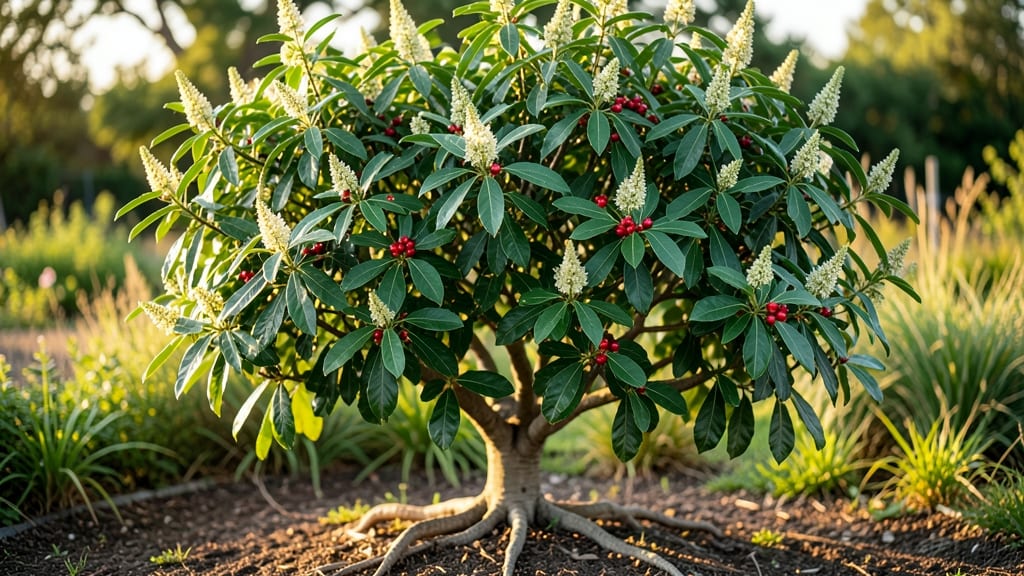
The Brazilian pepper tree flower transforms your yard into a fragrant paradise when you prune it right. 🌸 These tiny white blooms may look delicate, but they pack a punch—covering branches in spring with a sweet citrusy scent that hummingbirds and bees can't resist.
Pruning isn't just about shaping this fast-growing tree; it's about encouraging those flowers to bloom year-round in warmer climates. The secret lies in strategic cuts after each flush of blooms—removing old wood while leaving the current season's growth intact.
I've seen trees go from sparse blooms to dense floral displays within just one season using this method. You'll end up with a tree that's not only beautiful but also ecologically valuable, supporting local pollinators while keeping its invasive tendencies in check.
The flowers themselves are short-lived but prolific, creating a constant show when timed correctly. Works for both ornamental landscapes and ecological restoration projects. Here's how to make it bloom like crazy—without letting it take over your garden.
📚 In This Guide
- What you need
- Instructions
- Tips and common mistakes
- Wrapping up and next steps
What you need
- ● Pruning shears: Sharp, bypass-style shears (for clean cuts on smaller branches). Specs: 6-8" blades, stainless steel.
- ● Loppers: For thicker branches (up to 2" diameter). Specs: Ratcheting or bypass type for precision.
- ● Pruning saw: For branches thicker than 2". Specs: Curved-tooth blade to avoid tearing wood.
- ● Gloves: Heavy-duty, cut-resistant gloves (to protect from thorns and sap). Specs: Leather or reinforced fabric.
- ● Disinfectant: 70% isopropyl alcohol or a 10% bleach solution (to sterilize tools between cuts).
- ○ Pruning sealant (optional): Tree wound sealant (for large cuts > ½" diameter). Specs: Water-based, non-toxic formula.
- ● Ladder or step stool: Sturdy and tall enough to reach the tree’s canopy safely.
- ● Trash bags or bucket: For collecting pruned branches (1–2 large bags or a 5-gallon bucket).
- ● Weather check: Prune on a dry, calm day (avoid rain or strong winds for 24 hours before/after).
- ● Safety glasses: To shield eyes from debris or sap splashes.
- ● Long sleeves/pants: Protect skin from thorns and sap irritation.
- ● First-aid kit: Include antiseptic wipes and bandages (just in case!).
- ● Water & snacks: Hydration and energy for the task—pruning can take time!
Step-by-Step pruning guide for year-round Brazilian pepper tree blooms
Here's the method I've used to keep my Brazilian pepper trees flowering continuously—no harsh chemicals, just strategic cuts.
✂️ Step 1: Identify and Remove Dead or Damaged Growth
Start by examining your tree for any branches that are dry, brittle, or discolored. These dead limbs won't produce flowers and can harbor pests. Use sharp pruning shears to make clean cuts just outside the branch collar—the swollen area where the branch meets the trunk. This prevents unsightly stubs and promotes faster healing.
I always prune dead wood first, even if it's not the main flowering season. A healthy tree with no dead growth is the foundation for continuous blooms. If you're unsure whether a branch is dead, scratch the bark with your fingernail—if it's green underneath, it's still alive.
✂️ Step 2: Shape the Tree for Optimal Airflow and Light Penetration
Brazilian pepper trees thrive when they receive 6-8 hours of sunlight daily, but dense growth can block light from reaching inner branches. Step back and look for areas where branches are growing too closely together or crossing each other. Remove any branches that are rubbing against others or growing inward toward the center of the tree.
I like to create an open, vase-like shape by selectively pruning the outer growth. This encourages light to penetrate deeper into the tree, stimulating more flowering nodes. Focus on removing branches that are growing straight up—these compete with horizontal branches for energy and rarely produce flowers.
✂️ Step 3: Prune for Flowering Stimulation
The key to year-round blooms is encouraging new growth at the right time. In early spring, just as new leaves begin to emerge, prune back the previous season's growth by about one-third. Make your cuts just above a leaf node or bud that's facing outward. This stimulates the tree to produce new, vigorous shoots that will later develop into flowering branches.
I always use sterilized tools for this step—dip your pruners in rubbing alcohol between cuts to prevent spreading disease. Avoid pruning during the height of summer when the tree is already stressed by heat and blooming. Instead, focus on late winter or early spring cuts when the tree is still dormant or just waking up.
✂️ Step 4: Maintain Year-Round with Light Pruning
After the initial spring pruning, maintain your tree with light, regular trims throughout the year. Remove any branches that are producing fewer than 3-4 flowers—these are energy drains that don't contribute much to the tree's overall beauty. Instead, focus on encouraging branches with dense clusters of buds.
I also prune lightly after each flowering cycle to shape the tree and remove any spent blooms. This keeps the tree looking tidy and encourages the development of new flower buds. Never remove more than 25% of the tree's foliage in a single pruning session—this can stress the tree and reduce flowering.
⏰ Step 5: Time Your Pruning for Continuous Blooms
Brazilian pepper trees bloom best when pruned at specific times of the year. For year-round flowers, schedule your pruning sessions to coincide with the tree's natural growth cycles. In warm climates, you can prune lightly every 8-12 weeks to encourage new growth and flowering. In cooler areas, focus on late winter and early spring cuts.
Watch for the tree's natural cues—when you see new growth starting, that's your signal to prune. The tree will respond by producing fresh, vibrant branches that will eventually develop into beautiful flower clusters. Avoid heavy pruning in the fall, as this can prevent the tree from hardening off for winter.
Tips & tricks for year-round Brazilian pepper tree blooms
Here's what nobody tells you about keeping your Brazilian pepper tree in constant bloom—these are the secrets that transformed my overgrown bush into a year-round floral display.
Tool Prep is Non-Negotiable: Before you even touch a branch, sterilize your pruning shears with rubbing alcohol. I learned this the hard way after my tree developed bacterial spots from unsterilized tools. Wipe down blades between cuts, especially when working on multiple branches. For larger cuts, I use a pocket knife to make the initial incision, then finish with shears for precision.
Visual Cues Over Rules: In Step 1, when identifying dead wood, don't rely solely on color—scratch the bark. If it's green underneath, it's alive and should stay. I've removed perfectly good branches that just looked dry because they were on the shady side of the tree. For flowering stimulation in Step 3, look for outward-facing buds—they'll produce the most vibrant blooms when you make your one-third cut above them.
Seasonal Timing Strategy: The 8-12 week pruning window in Step 5 is your best friend for year-round blooms. In warm climates, set a calendar reminder every 10 weeks to do a light maintenance trim. In cooler areas, focus on late winter cuts when the tree is just waking up—this jumpstarts spring growth. I mark my calendar with the new moon phases too, as some gardeners swear by lunar cycles for pruning timing.
Post-Pruning Care: After any significant pruning session, give your tree a deep watering. The shock of losing branches can stress the tree, and proper hydration helps it recover faster. I also apply a balanced fertilizer two weeks after pruning to replenish nutrients. For trees in containers, this is especially critical since they have limited root space to recover.
Pro Tips for Brazilian Pepper Tree Flower
- Here's what nobody tells you about keeping your Brazilian pepper tree in constant bloom—these are the secrets that transformed my overgrown bush into a year-round floral display.
- Tool Prep is Non-Negotiable: Before you even touch a branch, sterilize your pruning shears with rubbing alcohol.
- Visual Cues Over Rules: In Step 1, when identifying dead wood, don't rely solely on color—scratch the bark.
Frequently asked questions
Got questions about keeping your Brazilian pepper tree in full bloom? Here are some of the most common queries—and their answers—to help you master year-round beauty!
When do Brazilian pepper tree flowers typically bloom?
The Schinus terebinthifolius usually bursts into white, pink, or red flowers in late spring to early summer, but with proper pruning, you can encourage secondary blooms in fall or even winter. The key? Prune right after flowering to stimulate new growth and more flowers.
How often should I prune for continuous blooms?
Prune 2-3 times a year: once after the main bloom (to shape and encourage new growth), again in late summer (to remove dead or overcrowded branches), and lightly in winter (if needed). Avoid heavy pruning in fall—it can stunt spring blooms!
What if my Brazilian pepper tree isn’t flowering?
Common culprits include over-pruning, poor sunlight (needs 6+ hours of sun daily), or nutrient deficiencies. Try fertilizing with a balanced 10-10-10 in early spring, and check for pests like scale insects, which can stress the tree.
Can I grow Brazilian pepper trees from cuttings or seeds?
Yes! Cuttings (from semi-hardwood in summer) root easily in water or perlite. Seeds take longer (6+ months to germinate) but produce true-to-type trees. For faster blooms, grafted nursery plants are your best bet—they’re already mature and flower-ready!
Are Brazilian pepper tree flowers toxic to pets?
While the berries (not flowers) are toxic to dogs and cats, the flowers themselves are non-toxic. Still, if your pet nibbles them, monitor for mild stomach upset (like vomiting) and contact your vet if symptoms persist. Better safe than sorry!
Wrapping up and next steps
The Brazilian pepper tree flower is a stunning addition to your landscape, and with the right pruning techniques, you can enjoy its vibrant blooms year-round! 🌸 By understanding the best tools, timing, and methods—like selective pruning and post-bloom trimming—you’ll keep your tree healthy and flourishing.
Don’t let fear of over-pruning hold you back; a little patience and precision go a long way.
Ready to transform your tree? Grab your tools, pick a sunny day, and start pruning with confidence. Your future blooms will thank you!