
Pruning
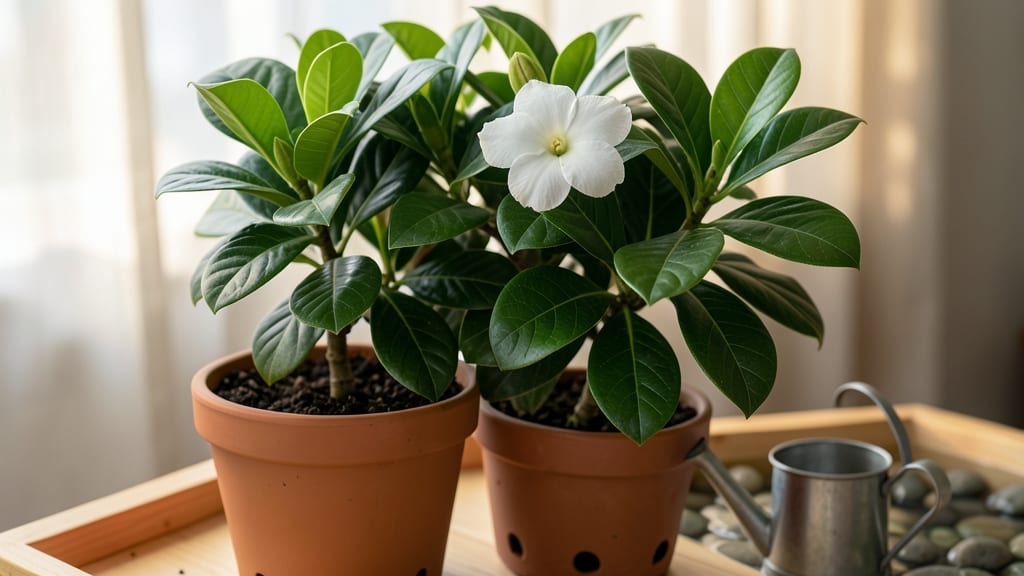
A gardenia tree in a pot can give you fragrant white blooms year-round—but only if you prune it right. 🌿 I’ve wrestled with leggy, sparse gardenias until I learned the simple cuts that trigger bushier growth and more flowers.
The secret isn’t just when you prune, but how—and most guides skip the details that actually make a difference.
Start with the right setup: a 15-20 gallon pot with drainage holes, well-draining soil, and morning sun (afternoon shade prevents leaf scorch). Overwatering is the #1 killer—let the top inch dry between waterings—but never let it sit soggy.
Fertilize monthly with acid-loving plant food (gardenias hate alkaline soil), and you’ll see new buds forming within 6-8 weeks of proper care.
Pruning transforms a sad, sparse gardenia into a lush, blooming bush. Cut back one-third of the oldest stems after flowering to encourage new growth, and shape it by trimming leggy branches to just above a leaf node.
The goal is airflow and light penetration—this keeps blooms coming and prevents fungal issues. With consistent care, your potted gardenia will reward you with glossy leaves and nonstop flowers from spring through fall.
Indoor gardenias need extra humidity (try a pebble tray or misting) and bright light near a south-facing window. Outdoor pots thrive in zones 7-10 but must be brought inside before 40°F nights.
The key to success? Prune after blooming, never before—this ensures next year’s flowers. Let’s get those shears sharp and turn your gardenia into the showstopper of your patio.
📚 In This Guide
- What you need
- Instructions
- Tips and common mistakes
- Wrapping up and next steps
What you need
- ● Gardenia plant: Choose a healthy, established tree in a pot (3–5 gallons for mature plants, smaller for younger ones).
- ● Well-draining potting mix: Use a blend of peat moss, perlite, and pine bark (or a pre-mixed acid-loving plant soil). 1–2 bags (2–3 cubic feet each) for repotting.
- ● Pruning shears: Sharp, bypass-pruners (avoid dull tools—they crush stems!). Size: 4–6 inches for medium branches.
- ● Disinfectant: 70% isopropyl alcohol or a 10% bleach solution to sterilize tools between cuts (prevents disease!).
- ● Glove: Garden gloves (gardenia thorns are sharp—protect your hands!).
- ● Hand pruners for small trims (great for tight spaces!).
- ● Pruning saw for thick branches (if your gardenia has woody stems).
- ● Rooting hormone (if propagating cuttings).
- ● Mulch (orchid bark or pine needles) to retain moisture and acidity.
- ● Spray bottle for misting cuts (helps prevent shock).
- ● Sunlight access: Ensure your gardenia gets bright, indirect light (4–6 hours/day)—no harsh afternoon sun!
- ● Watering can with a rose attachment (for gentle watering at the soil level).
- ● Patience! Gardenias bloom best with consistent care—pruning timing matters (spring or after flowering).
Step-by-Step pruning guide for potted gardenia trees
Transform your potted gardenia from sparse to lush with this precise pruning method.
✂️ Step 1: Time Your Pruning for Maximum Blooms
Prune your gardenia right after flowering—typically in late spring or early summer. This timing ensures you remove spent blooms while leaving next year’s buds intact. Gardenias bloom on old wood, so avoid heavy pruning in fall or winter, which can sacrifice next season’s flowers.
Look for clusters of faded blooms and yellowing leaves—these are your pruning targets. Use sharp, clean shears to make cuts just above a leaf node or outward-facing bud. Never leave stubs; precise cuts prevent disease and encourage new growth.
🌿 Step 2: Shape for Airflow and Light Penetration
Step back and assess your gardenia’s shape. Aim for an open, rounded form that allows sunlight to reach the center. Remove any crossing or rubbing branches first—they compete for nutrients and create entry points for pests. Thin out crowded stems to improve airflow, which reduces fungal diseases like powdery mildew.
Cut back any leggy growth by one-third to one-half to encourage bushier growth. Focus on stems growing inward or downward, as these rarely produce flowers. Use your fingers to gently bend flexible branches—if they snap easily, they’re ready for pruning.
✂️ Step 3: Rejuvenate Older Growth Strategically
For mature potted gardenias, selectively prune 10-20% of older wood to stimulate new growth. Target stems that are woody, bare, or no longer producing blooms. Make cuts just above a healthy leaf node or outward-facing bud to encourage branching.
If your gardenia has become top-heavy, prune the topmost growth to balance the plant. This prevents tipping and encourages a fuller lower canopy. Water thoroughly after pruning to reduce stress—gardenia roots are shallow, and they’ll need moisture to recover quickly.
☀️ Step 4: Post-Pruning Care for Rapid Recovery
Move your potted gardenia to a shady spot for 3-5 days after pruning to reduce stress from sunlight. Gradually reintroduce it to its usual bright, indirect light position. Avoid fertilizing immediately—wait until new growth appears, usually in 4-6 weeks.
Monitor for signs of stress like wilting or yellowing leaves. If you see these, increase humidity by misting or placing the pot on a tray of pebbles and water. Gardenias thrive in 60-70% humidity, and pruning disrupts their natural balance temporarily.
⏰ Step 5: Maintain Year-Round with Light Trimming
Between major pruning sessions, do light maintenance to keep your gardenia tidy. Remove dead or diseased branches immediately, and pinch back new growth to encourage branching. This prevents your gardenia from becoming too leggy and ensures continuous blooms.
Check your gardenia’s pot size—root-bound plants bloom less vigorously. If you notice roots circling the pot’s base, it’s time to repot into a container just 2 inches larger in diameter. Prune roots gently if they’re densely packed, and refresh the potting mix with a slow-release fertilizer.
Tips & tricks for perfect potted gardenia pruning
Pruning your potted gardenia doesn't have to be intimidating—these key techniques will help you transform your plant into a blooming, bushy beauty with minimal stress.
Timing is Everything: The late spring/early summer timing in Step 1 is crucial because gardenias bloom on old wood. If you prune at the wrong time, you risk removing next year's flower buds before they form. I've seen gardeners accidentally prune in fall and wonder why their plants didn't bloom the following spring—don't make that mistake! Mark your calendar right after your gardenia finishes flowering to ensure you're pruning at the optimal time.
Precision Cutting Technique: When making cuts in Step 1 and Step 3, always aim just above a leaf node or outward-facing bud—this is where new growth will emerge. I learned this the hard way after making sloppy cuts that left stubs, which led to disease and poor regrowth. Use sharp, clean shears and make cuts at a 45-degree angle to prevent water from pooling on the cut surface. For stubborn branches, gently twist while cutting to avoid tearing the bark.
Stress Reduction Strategy: The 3-5 day shade recovery period in Step 4 is non-negotiable for potted gardenias. Their shallow root systems make them particularly vulnerable to stress after pruning. I've noticed that gardeners who skip this step often see wilting or yellowing leaves. Create a mini greenhouse effect by placing a clear plastic bag over the plant during these days—just remove it daily for a few minutes to prevent mold buildup.
Pro Tips for Gardenia Tree In Pot
- Pruning your potted gardenia doesn't have to be intimidating—these key techniques will help you transform your plant into a blooming, bushy beauty with minimal stress.
- Timing is Everything: The late spring/early summer timing in Step 1 is crucial because gardenias bloom on old wood.
- Precision Cutting Technique: When making cuts in Step 1 and Step 3, always aim just above a leaf node or outward-facing bud—this is where new growth will emerge.
Frequently asked questions
How often should I prune my potted gardenia tree?
Prune your gardenia tree twice a year: once after blooming (late spring) to shape it and again in early summer to encourage new growth. Light trimming between blooms helps maintain bushiness without stressing the plant. Avoid heavy pruning in winter—it’s their dormant season!
Can I prune my gardenia tree in winter?
Winter is not ideal for pruning gardenias, as they’re dormant. If you must trim, do it lightly in late winter (February) to remove dead or damaged branches. Heavy pruning can delay spring blooms. Wait until active growth resumes in spring for best results.
What’s the best way to propagate a gardenia tree from cuttings?
Take 4-6 inch semi-hardwood cuttings in early summer, dip them in rooting hormone, and plant in a mix of perlite and peat moss. Keep the soil moist and place the pot in bright, indirect light. Roots should form in 4-8 weeks. Patience is key—gardenia cuttings are slow to root!
Why are my gardenia leaves turning yellow?
Yellow leaves often signal overwatering or poor drainage. Check the soil—it should be slightly moist but not soggy. Ensure your pot has drainage holes and use a well-draining potting mix. Yellowing can also indicate nutrient deficiency; fertilize lightly with acid-loving plant food in spring and summer.
Can I keep my potted gardenia tree indoors year-round?
While possible, gardenias thrive outdoors in warm climates. If keeping them indoors, place them near a sunny window (6+ hours of light) and use a humidifier. They need high humidity (50%+) and regular outdoor exposure in summer to bloom well. A bright patio or balcony works great!
Wrapping up and next steps
Growing a thriving gardenia tree in a pot is totally within reach—with the right pruning techniques, you’ll enjoy lush foliage and stunning, fragrant blooms year after year. 🌸 Remember to prune at the right time, use sharp tools, and give your plant the care it deserves.
Now that you’re armed with the know-how, why not grab those shears and give your gardenia the TLC it craves?
Your next step? Schedule a pruning session—whether it’s shaping in early spring or deadheading spent blooms. Happy gardening! 🌿