
Trees
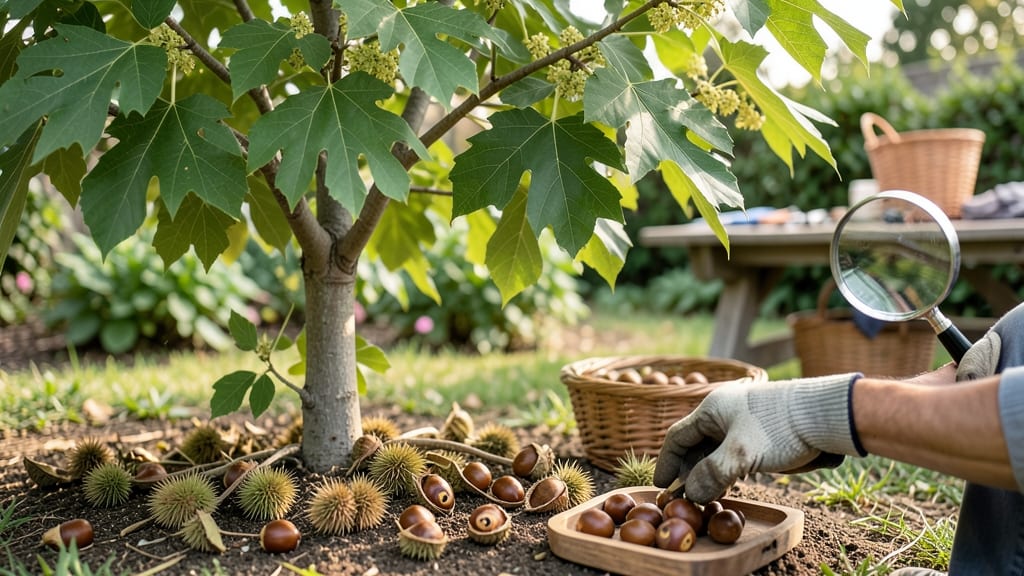
The uses of the buckeye tree nut have been woven into centuries of culinary, medicinal, and practical traditions, though their raw form contains toxic compounds requiring careful preparation. Cultures worldwide have leveraged every part of the tree—from seeds to bark—for dyes, remedies, and even animal feed when processed correctly.
The uses of the buckeye tree nut aren't just visually striking with their glossy shells—they've been a staple in traditional medicine for their anti-inflammatory properties when properly prepared. 🌿 Native American tribes historically used boiled buckeye extracts to treat skin irritations, while modern herbalists explore their potential for digestive support.
The tree's bark also contains compounds used in natural dyes, creating rich browns and tans that hold up beautifully in fabrics. Even the leaves, when dried correctly, can serve as a controlled livestock supplement in rural settings, though always in moderated amounts.
What makes these nuts particularly fascinating is how their uses vary by region. In some Appalachian communities, roasted buckeyes were a seasonal treat, while in others, they were strictly avoided due to their toxicity.
The key to safe consumption lies in the preparation process—prolonged boiling or drying neutralizes the harmful aesculin compounds, making them edible. This dual nature of being both valuable and dangerous has earned buckeye trees their place in both folklore and practical forestry management.
💡 In This Article
- Toxicity and Safe Preparation of Buckeye Nuts
- Practical and Ornamental Uses of Buckeye Trees
Toxicity and safe preparation of buckeye nuts
The raw seeds of buckeye trees contain aesculin and escin, compounds that cause severe gastrointestinal distress, neurological symptoms, and even death if consumed in large quantities. These toxins work by disrupting cellular membranes, particularly in the digestive tract, where they create inflammation and fluid loss.
The nuts also contain saponins, which have a soapy texture when mixed with water and can irritate mucous membranes. 🔥 What's fascinating is that these same compounds are what give buckeyes their historical medicinal value when properly prepared.
To neutralize the toxicity, traditional methods involve boiling the nuts for at least 30 minutes in multiple water changes, which breaks down the aesculin into less harmful compounds.
Some cultures also practice drying the nuts at temperatures above 160°F for 24-48 hours, a process that denatures the proteins and reduces saponin content. Native American tribes, for example, would often roast the nuts over open fires while stirring constantly to ensure even heat distribution.
Modern food safety guidelines recommend avoiding raw consumption entirely, as even small amounts can cause symptoms like vomiting, diarrhea, and dizziness within hours.
When prepared correctly, buckeyes develop a flavor profile similar to hazelnuts with a slight sweetness, though they're much harder and require prolonged chewing.
The texture becomes crisp when roasted, with a satisfying crunch that's been compared to chestnuts. 💫 This careful preparation transforms a potentially deadly nut into a safe, edible treat—though it's important to note that even properly prepared buckeyes should be consumed in moderation due to their high tannin content, which can be astringent in large quantities.
The cultural divide in buckeye consumption is striking. While some Appalachian communities historically enjoyed them as a seasonal delicacy, other regions treated them with extreme caution, if not outright avoidance. This variation stems from both regional availability and differing levels of knowledge about proper preparation.
Today, most experts recommend treating buckeyes as you would mushroom foraging—only consuming them after positive identification and proper preparation, with an emphasis on testing a small amount first to monitor for adverse reactions.
Beyond edibility, the preparation process itself reveals interesting chemical behaviors. The boiling method, for instance, not only neutralizes toxins but also extracts beneficial compounds like flavonoids, which have antioxidant properties.
These flavonoids are what many herbalists believe contribute to the nuts' traditional medicinal uses, such as treating skin conditions when applied topically as a poultice.
The key takeaway is that buckeye nuts represent a perfect example of how food safety and culinary potential walk a razor-thin line, requiring precise techniques to unlock their benefits.
For those interested in experimenting with buckeyes, start with 2-3 nuts per serving after proper preparation, and always have access to medical attention when trying them for the first time.
The transformation from toxic to edible is a remarkable process that showcases both the power and the peril of nature's bounty. 🌟