
Diseases
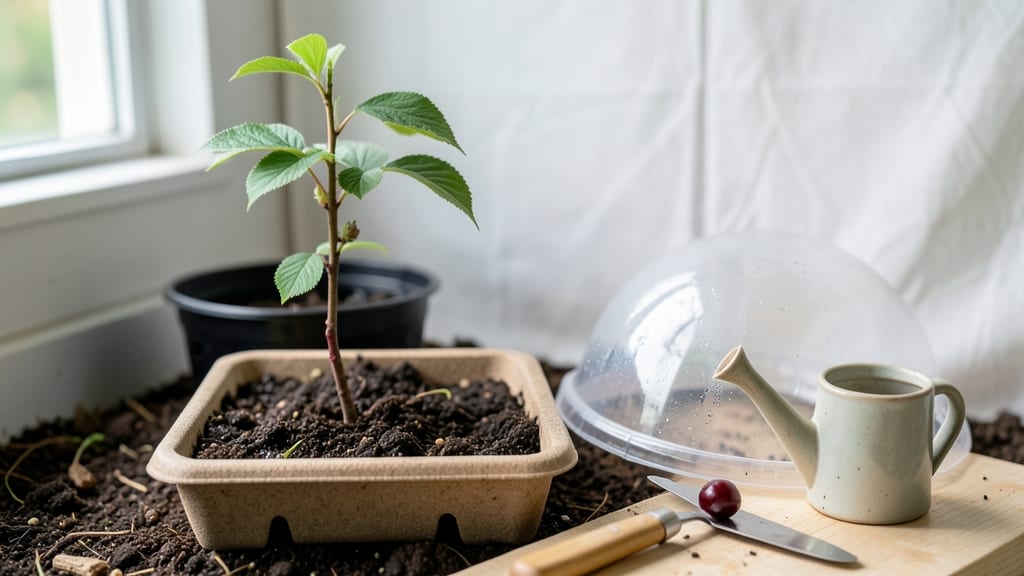
You can grow a cherry tree from a cherry seed, but success depends on seed selection and patience—most store-bought cherries are hybrids that won’t reproduce true fruit. Germination requires 4-12 weeks of cold stratification, and saplings may take 5-10 years to bear fruit, if ever.
While it’s possible to grow a cherry tree from seed, the results are often unpredictable. 🌱 Many gardeners choose heirloom or wild cherry varieties like black cherry or chokecherry for better fruit potential, as these retain more genetic consistency.
The cold stratification process mimics winter conditions, breaking seed dormancy by exposing them to 32-40°F temperatures for weeks before planting. Even with proper care, most seed-grown trees won’t match the sweetness or quality of grafted nursery varieties.
Once your sapling sprouts, focus on well-draining soil and full sun to encourage strong growth. Regular pruning in early spring helps shape the tree, while monitoring for pests like aphids or fungal diseases can prevent long-term damage.
Remember, this is a marathon, not a sprint—patience and proper techniques are key to nurturing a thriving cherry tree from seed.
💡 In This Article
- Cherry Seed Germination Process and Cold Stratification Requirements
- Best Cherry Varieties for Seed-Grown Trees and Long-Term Care Tips
Cherry seed germination process and cold stratification requirements
The real magic happens inside that tiny seed—where nature’s built-in survival mechanism kicks in. Cherry seeds enter a state called dormancy, a natural pause that prevents them from germinating during unfavorable conditions.
This dormancy is triggered by a hard, stony seed coat that resists water absorption and internal chemical inhibitors that block growth. Without intervention, these seeds might never sprout—even with ideal warmth and moisture.
Cold stratification is the key that unlocks this potential by mimicking winter’s chilling effect, which breaks down those inhibitors and softens the seed coat over time. 🌱
To replicate nature’s process, you’ll need to create a controlled environment with precise conditions. Start by placing your cleaned, dried seeds in a damp paper towel or vermiculite, then seal them in a plastic bag with small air holes.
Store this setup in your refrigerator’s crisper drawer where temperatures hover around 32-40°F—this is the critical range that triggers biochemical changes in the seed. The stratification period typically lasts 4-12 weeks, though some seeds may need up to 16 weeks for complete dormancy breaking.
During this time, check your seeds weekly to ensure they remain moist but not soggy—think of it like giving them a gentle winter rain without flooding.
What’s actually happening at the cellular level is fascinating. The cold temperatures activate enzymes that break down stored starches into sugars, providing energy for the embryonic plant. Simultaneously, the seed coat becomes more permeable, allowing water to penetrate and swelling the seed.
This swelling creates pressure that eventually cracks the hard outer shell—nature’s way of ensuring the seed only germinates when conditions are optimal. For comparison, this is similar to how some fruit trees (like apples) require scarification or cold treatment before they’ll sprout reliably. 🌿
Once your stratification period ends, you’ll notice the seeds looking plumper and potentially even sprouting tiny roots. This is your cue to plant them in a well-draining seed-starting mix at a depth of about ½ inch.
Place the container in a warm spot (around 70°F) with bright, indirect light—think of it as moving from winter to spring. Most seeds will germinate within 2-4 weeks after this transition, though some may take longer.
The key here is consistency: maintaining even moisture and temperature is more important than rushing the process.
Here’s where many gardeners make a critical mistake: assuming all cherry seeds are created equal. The truth is that store-bought sweet cherries (like Bing or Rainier) are almost always hybrids bred for specific traits—traits that won’t reliably reproduce through seeds.
These seeds might germinate, but the resulting tree could produce small, tart fruit that’s nothing like its parent. For better success rates, look for seeds from heirloom varieties or wild cherries like black cherry (Prunus serotina) or chokecherry (Prunus virginiana), which have more stable genetic traits for fruit production. 🍒
Consider this real-world example: A gardener in upstate New York successfully grew a chokecherry tree from seed that produced fruit within 7 years.
The key factors in their success included strict adherence to the 8-week cold stratification period, using a sterile seed-starting mix, and providing consistent care during the sapling stage.
While their fruit wasn’t as sweet as commercial varieties, it was perfectly edible and attracted local wildlife—demonstrating that seed-grown trees can still offer value beyond just fruit production.
The bottom line is that cold stratification isn’t just a step—it’s the foundation of your entire cherry-growing journey. Without it, you’re essentially trying to force a seed to grow before it’s developmentally ready, much like trying to bloom a flower before its time.
By understanding and respecting this natural process, you’re giving your future cherry tree the best possible start in life. 💫