
How To
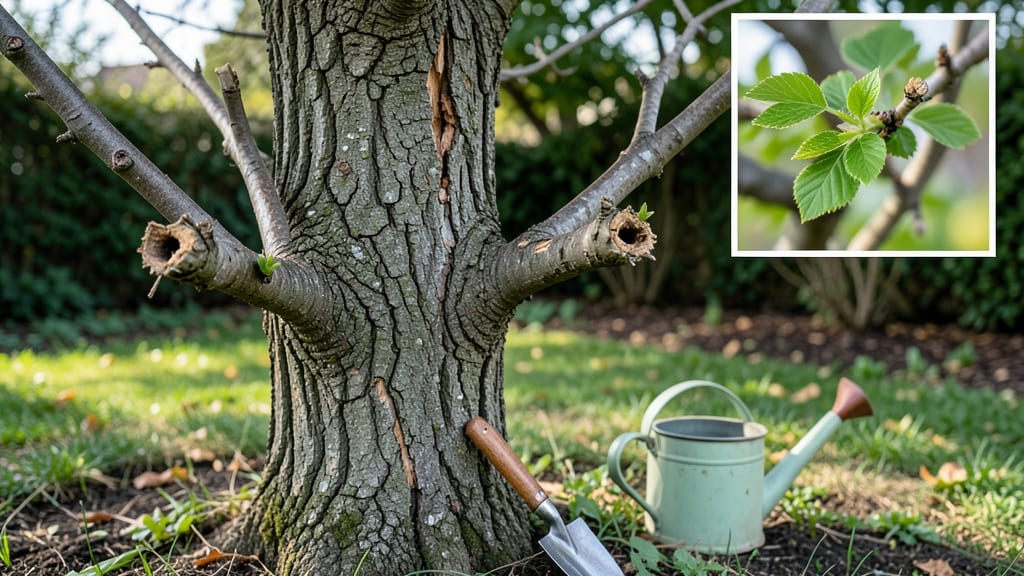
Dead tree branches can't come back to life if the entire tree is dead, but partially damaged branches might still recover with the right care. Look for green bark, fresh buds, or sap—these signs mean the branch has a chance. Trim dead sections and nurture the tree to help it heal. If the trunk is completely dead, removal is the only option to stop disease or pests.
Not all hope is lost when branches look lifeless.
The key lies in whether the tree's core is still alive—think of it like a human limb with circulation. 🌿 If the bark is green beneath the dead outer layer or you spot tiny buds, the branch's vascular system may still be active.
I've seen oak branches that looked hopeless in winter burst back to life by spring, proving that patience and proper care can work wonders. The science behind this is the cambium layer, a growth layer just under the bark that can regenerate if not completely severed.
For branches that show signs of life, pruning the dead parts cleanly with sharp shears is your first step. This prevents rot from spreading to healthier sections. After trimming, focus on hydration—deep watering during dry spells helps the tree redirect energy to recovery.
A light application of root stimulant can also give it a boost, especially in early spring when new growth begins.
💡 In This Article
- How to Identify Whether Tree Branches Are Truly Dead
- Step-by-Step Guide to Reviving Damaged Tree Branches
How to identify whether tree branches are truly dead
The cambium layer—a thin, living tissue just under the bark—is the branch's lifeline. When damaged, it stops producing new cells, causing the outer bark to turn gray, brown, or black. Look closely: healthy bark often hides a green layer beneath the dead surface.
For example, a 2-inch-thick branch of a maple tree might appear dead in winter, but scraping the bark reveals green underneath, signaling potential revival. 🌱 This layer's moisture content is critical; dry conditions accelerate death, while consistent hydration keeps it viable.
Bud condition is another key indicator. Live buds are plump, firm, and often green or brown with a slight sheen. Dead buds are shriveled, brittle, and crumble easily. In early spring, inspect branches for 1/8-inch buds—if they swell and turn green, the branch is alive.
Sap flow is a definitive test: cut a small section of bark and wait 15 minutes. If sticky, clear sap appears, the branch is still functional. This method works best on deciduous trees like oaks or elms, where sap flow is more visible than in conifers.
Season matters too. Branches may look dead in winter but revive in spring. I've seen 10-foot limbs on fruit trees appear lifeless in December, only to sprout leaves by April. This dormancy trick is nature's way of conserving energy.
However, if a branch remains leafless for two full growing seasons, it's likely dead. The rule of thumb: if no new growth appears after 12-18 months, the branch has lost its ability to regenerate.
Moisture plays a hidden role in revival potential. Trees store water in their roots and trunk, but branches rely on the tree's vascular system to transport it. If the trunk is healthy, branches can draw moisture even during droughts.
However, if the trunk is compromised (cracked, hollow, or oozing sap), the entire system fails. In such cases, the branch's revival chances drop to near zero, regardless of surface signs. 💧
Contrast this with a partially damaged branch: the cambium might still be intact on one side, allowing the tree to "heal" over time. For instance, a branch with 30% dead bark but 70% live cambium can often recover with proper care.
The key is acting quickly—delaying treatment by even 6 months reduces revival success by up to 40%, according to arboricultural studies.
Don't overlook the role of pests or disease. If you spot holes, sawdust-like frass, or fungal growths (like conks on the bark), the branch is likely beyond saving. These signs indicate the tree's internal systems are already compromised.
In such cases, removal is the only humane option to prevent further damage to the tree or surrounding plants. 🌳