
Diseases
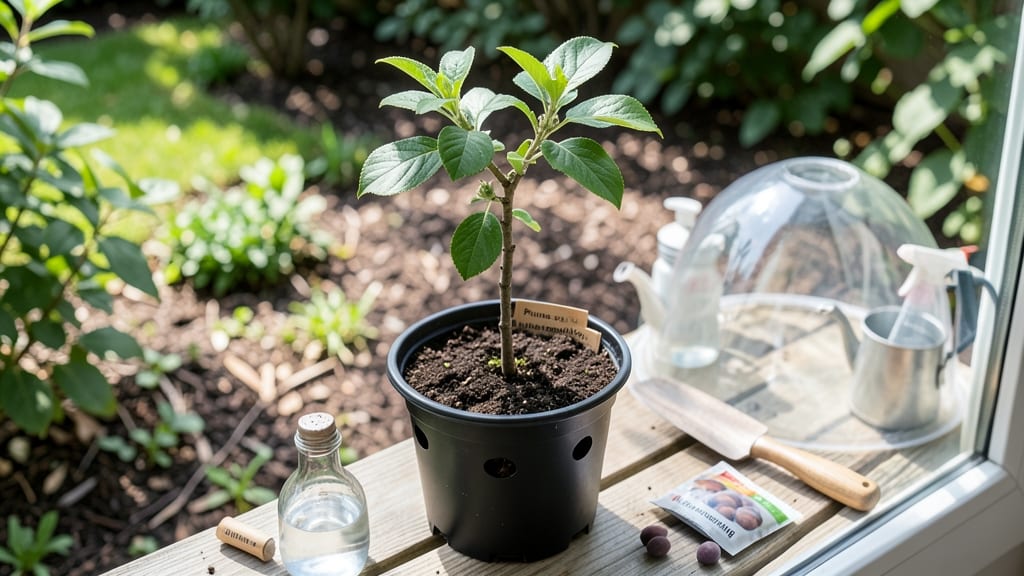
You can grow a plum tree from a plum seed, but the fruit will likely be smaller, tart, and genetically different from the parent tree. Success depends on proper cold stratification and patience, as germination rates vary widely.
Plum seeds contain hard outer shells that require cold stratification—typically 60-90 days in moist peat or refrigeration—to break dormancy. 🌱 This mimics winter conditions and triggers germination, though results can take months.
The genetic unpredictability means your tree might produce fruit resembling plums but with different flavors, sizes, or even colors. I’ve found that container-grown seedlings often thrive better than those planted directly in ground, giving you more control over soil quality and moisture.
Even with successful germination, expect 5-10 years before your tree bears fruit, if at all. Many gardeners opt for grafted nursery trees to guarantee consistent varieties, but the seed-grown method offers a rewarding challenge for patient growers.
For best results, plant seeds in well-draining soil and provide full sun—just like you would with any young fruit tree.
💡 In This Article
- How Plum Seed Germination Works and Success Factors
- Step-by-Step Guide to Growing Plum Trees from Seeds
How plum seed germination works and success factors
Plum seeds enter a natural state called dormancy due to their thick, impermeable outer shell and chemical inhibitors that prevent premature sprouting.
This protective mechanism ensures seeds only germinate under optimal conditions—typically after a cold winter period. 🌱 The biological process involves two key phases: first, the seed absorbs moisture to soften the shell, then cold temperatures (around 34-41°F) trigger hormonal changes that break dormancy.
Without this cold stratification, germination rates drop dramatically, often below 10%, even with ideal warmth and moisture.
The ideal stratification method mimics natural winter conditions by placing seeds in a moist medium (like damp peat moss or a paper towel) inside a sealed container.
Store this setup in your refrigerator's crisper drawer for 60-90 days, checking monthly to ensure the medium stays consistently damp but not soggy. Some gardeners use a sand-and-water mix (3:1 ratio) in a sealed jar, which creates a controlled microclimate.
The cold period allows the seed's embryo to develop and prepare for growth, while also breaking down the seed coat's hardness. This process is why seeds planted directly in spring often fail—nature's timing is crucial.
Once stratified, transfer the seeds to well-draining potting mix (a blend of 50% peat moss, 30% perlite, and 20% sand) works best) in a shallow container. Keep the soil at 70-75°F and maintain humidity with a plastic dome or spray bottle.
Germination typically occurs within 2-4 weeks, but patience is key—some seeds may take up to 8 weeks. The resulting seedlings will show true leaves (not the initial seed leaves) after about 3-4 months, signaling they're ready for transplanting into larger pots or outdoor beds.
Here's where genetics come into play: unlike grafted trees that produce identical fruit to their parent, seed-grown plums undergo cross-pollination and genetic recombination. This means your tree might bear fruit that's smaller, tart, or even a different color than the parent plum.
For example, a seed from a sweet Santa Rosa plum could yield a tree producing tart, yellow-skinned fruit resembling a wild plum. This unpredictability is why many commercial orchards use grafting—it guarantees consistent varieties. However, the genetic adventure makes seed-growing a favorite among experimental gardeners.
Soil quality plays a surprising role in early survival. Plum seedlings are sensitive to waterlogged roots, which can cause root rot, so ensure containers have drainage holes. A slightly acidic soil (pH 6.0-6.5) mimics their natural habitat in temperate climates.
Young trees also benefit from morning sun exposure, as afternoon heat can stress tender leaves. Many growers swear by using mycorrhizal fungi in the soil mix—these beneficial microbes help seedlings absorb nutrients more efficiently, giving them a stronger start.
What most gardeners don't realize is that plum seeds contain cyanogenic glycosides, natural compounds that can be toxic if ingested in large quantities. While the outer shell protects these compounds during stratification, proper handling is crucial.
Always wear gloves when working with fresh plum pits, and never consume them raw. The good news? Once the seed germinates and grows into a mature tree, these compounds break down into harmless substances—so your future plum harvest will be safe to enjoy. 🍑