
Companion Plants
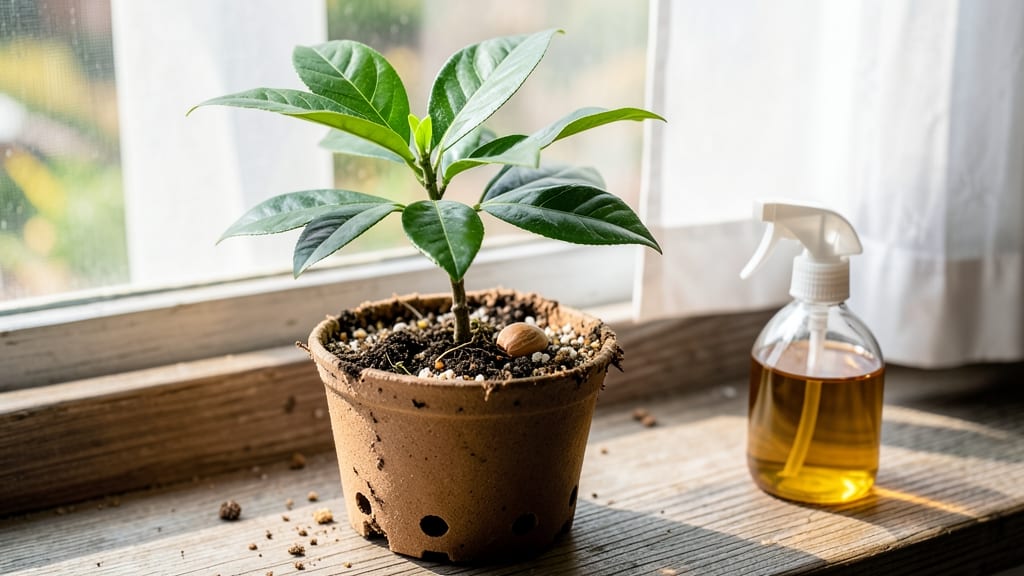
You can grow an orange tree from an orange seed, but the resulting plant will likely produce bitter, inedible fruit. Success requires the right conditions—germination takes 2-4 weeks, and the tree may take 5-10 years to mature.
Starting an orange tree from seed is a rewarding experiment, but the fruit won't match store-bought varieties. 🌱 The seeds come from hybridized citrus trees, so genetic traits often revert to wild, tart ancestors.
I've seen homegrown seedlings develop into beautiful trees with glossy leaves, but their fruit rarely tastes sweet. For edible oranges, grafting is the gold standard—it preserves the parent plant's characteristics while using hardy rootstock for stability.
If you're still eager to try, begin by extracting seeds from fresh, organic oranges (avoid processed ones). Soak them overnight to soften the outer layer, then plant in a well-draining mix of peat and perlite.
Keep the soil consistently moist and warm—around 70-75°F—while providing bright, indirect light. Patience is key: seedlings may take weeks to emerge, and early care focuses on preventing damping-off disease with proper airflow.
💡 In This Article
- Why Seed-Grown Orange Trees Rarely Bear Sweet Fruit
- Step-by-Step Guide to Germinating Orange Seeds Indoors
Why seed-grown orange trees rarely bear sweet fruit
Citrus trees grown from seed are essentially genetic roulette wheels. Commercial oranges you buy in stores are the result of careful grafting—a process where a desirable variety's branches are fused onto a hardy rootstock. This preserves the sweet, juicy traits you love, like the Valencia or Navel varieties.
When you grow from seed, however, you're starting with a plant that's genetically unpredictable. The seed contains a mix of traits from both parent trees, often reverting to wild citrus characteristics that produce tart, seedy, and sometimes bitter fruit. 🌱
The science behind this lies in hybridization. Most commercial citrus trees are cross-pollinated hybrids, meaning their seeds carry a random assortment of genes from multiple ancestors.
For example, a Navel orange seed might sprout into a tree that produces fruit resembling its wild ancestor, the pomelo, which tastes more like grapefruit than sweet orange.
The genetic variability means you could end up with anything from a tiny, sour fruit to a tree that never produces fruit at all. This is why professional growers rely on grafting rather than seeds.
Another key factor is flowering triggers. Citrus trees grown from seed often take much longer to mature and flower—sometimes 10-15 years—compared to grafted trees, which can produce fruit in as few as 3-5 years.
Even when they do flower, the fruit may lack the sweetness of its parent due to genetic reversion. The tree's rootstock also plays a role; wild citrus rootstocks are hardier but often result in less flavorful fruit.
For instance, a seed-grown tree might develop deep roots and thrive in poor soil, but its fruit could taste more like the Seville orange, which is famously bitter and used for marmalade.
If you're hoping for sweet oranges, grafting is the way to go. But if you're curious about the experiment, seed-grown trees can still be beautiful ornamental plants with fragrant flowers and glossy leaves.
The trade-off is clear: patience and unpredictability for a scientific exploration of genetics, versus the reliable sweetness of grafted trees. 🌿
For those who still want to try, remember that even if the fruit isn't edible, the process teaches valuable lessons about plant genetics and cultivation. Many gardeners enjoy the journey of nurturing a seedling into a mature tree, even if the end result isn't what they expected.
The key takeaway is understanding why commercial citrus trees are grafted—and why your backyard experiment might just be a fascinating detour into the world of plant genetics.