
Container Gardens
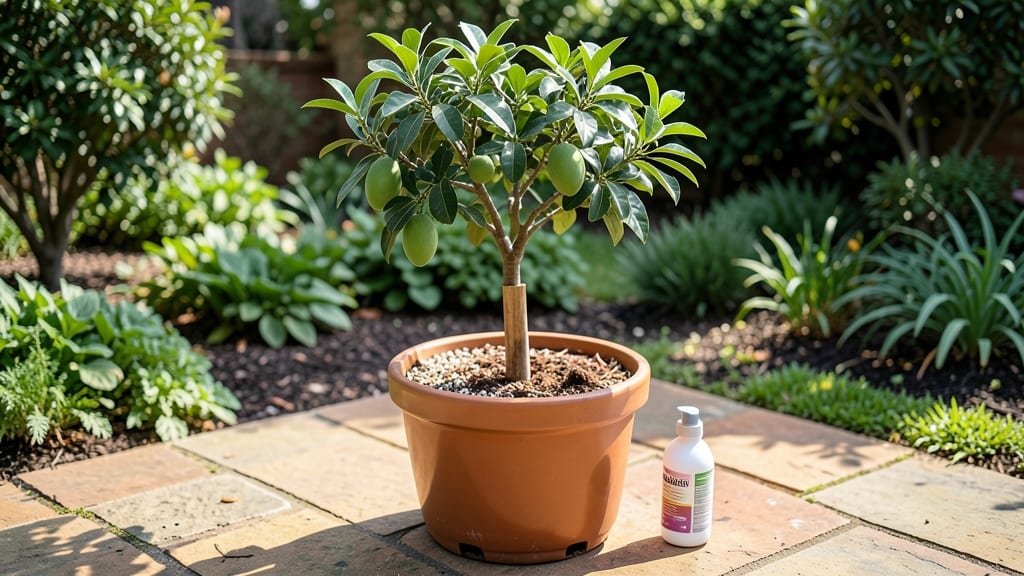
You can grow a mango tree in a pot by choosing dwarf varieties like 'Cogshall' or 'Julie' in containers at least 18 inches deep, using well-draining soil and full sun exposure. Prune regularly to control size and ensure proper air circulation for healthy growth.
Growing mango trees in containers is absolutely doable with the right approach. 🌱 Dwarf varieties are specifically bred to stay compact, making them perfect for patio gardens or small spaces.
These trees can produce fruit just like their full-sized counterparts, though you'll need to provide consistent care—think of them as high-maintenance houseplants with delicious rewards. The key is selecting a container that allows for root expansion while preventing waterlogging, which can quickly kill a mango tree.
I've found that terracotta pots work beautifully because they breathe and help regulate moisture levels naturally.
What often surprises new growers is how much sunlight these tropical plants need—at least six hours of direct sunlight daily is non-negotiable.
Without proper light exposure, your tree will struggle to fruit and may become leggy. 🌞 Another critical factor is the soil mix: it needs to be rich in organic matter while still providing excellent drainage.
A combination of potting soil, perlite, and compost works wonders for creating that ideal airy environment roots love. Remember, mango trees are heavy feeders, so regular fertilization during the growing season will give you the best chance at those sweet, juicy fruits.
💡 In This Article
- Best Mango Tree Varieties for Container Gardening
- Container Size and Soil Requirements for Potted Mango Trees
Best mango tree varieties for container gardening
Dwarf mango varieties are genetically bred to stay compact, typically reaching 8-12 feet tall rather than the 60+ feet of full-sized trees. The 'Cogshall' variety, for example, produces small, sweet fruits with a vibrant orange-red hue and thrives in USDA zones 10-11.
Its compact growth habit makes it ideal for containers, as it rarely exceeds 10 feet in height even with proper pruning. The 'Julie' variety follows a similar growth pattern but produces slightly larger fruits with a creamy texture, perfect for smoothies or fresh eating.
What sets these dwarf varieties apart is their root structure—shallower and more fibrous than standard mango trees. This adaptation allows them to absorb nutrients efficiently from container environments where root space is limited. 🌱 The trade-off?
They require more frequent watering (every 2-3 days in summer) and nutrient replenishment since containers dry out faster than garden soil. Unlike their larger counterparts, these dwarf trees can't tap into deep water tables, so consistent moisture is critical during their 6-8 month growing season.
Fruit production in container-grown mangoes follows a predictable pattern: most dwarf varieties begin bearing fruit after 3-5 years of growth, producing 10-20 fruits per tree annually.
The 'Cogshall' variety, for instance, yields fruits weighing 4-8 ounces each, with a flavor profile that's sweeter than commercial varieties due to the concentrated sugars developed in container environments.
The key to maximizing fruit production lies in hand-pollination—mango trees rely on bees or wind for pollination, but container-grown trees often need a gentle brush with a paintbrush to transfer pollen between flowers.
Climate adaptability is another critical factor. While mango trees originate in tropical regions, dwarf varieties can tolerate slightly cooler temperatures (30°F minimum) for short periods. This makes them suitable for container growing in zone 9b with winter protection.
In colder climates, move your potted mango indoors near a sunny window or use a greenhouse during winter months. The tree's ability to handle temperature fluctuations is directly tied to its dwarf genetics—standard varieties would suffer leaf damage at these temperatures.
When comparing varieties, consider your specific needs: 'Cogshall' excels in small spaces with minimal maintenance, while 'Julie' offers larger fruits but requires slightly more pruning to maintain shape.
Both varieties benefit from regular pruning to remove water sprouts (shoots growing from the trunk) and maintain an open canopy for better air circulation—a critical factor in preventing fungal diseases in container environments.
Pro tip: Start with a 1-2 year-old dwarf mango tree from a reputable nursery to ensure it's already adapted to container life. Avoid larger trees, as their root systems will struggle to adapt to pot confinement, leading to stunted growth or even death within 1-2 years.
The right variety makes all the difference in your container mango gardening success! 💫