
Pruning
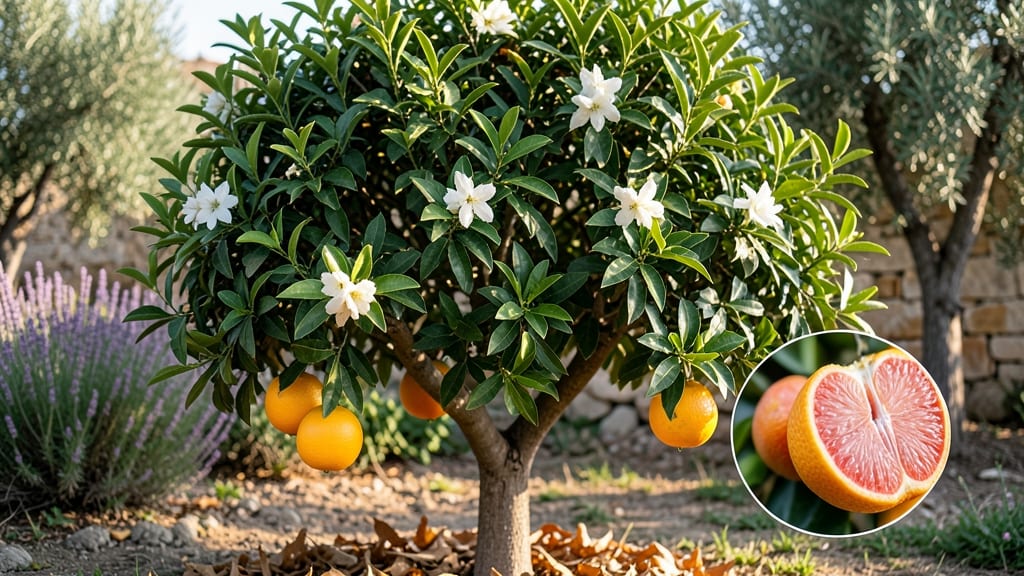
A Cara Cara orange tree size can range from 6 feet to over 20 feet tall, depending on whether you choose a dwarf or standard variety 🍊 — and that difference is the key to fitting one into your garden.
If you’re dreaming of homegrown Cara Cara oranges but limited by space, understanding their growth habits is your first step to success. A full-size tree won’t fit in a small backyard, but a dwarf version could thrive in a container or tight corner.
In this guide, I’ll break down the mature heights, spread, and growth rates for both standard and dwarf Cara Cara trees, plus the pruning tricks that keep them manageable without sacrificing fruit.
You’ll also discover which varieties grow fastest, how climate affects their size, and the 3 simple pruning rules that keep even a large tree under control.


Cara Cara orange tree size: standard vs dwarf varieties compared
Choosing the right Cara Cara orange tree size depends entirely on your space and goals. A standard variety can reach 15-20 feet tall with a 10-15 foot spread, making it perfect for large properties or orchards.
But if you’re dreaming of backyard harvests, dwarf varieties (6-8 feet tall) or semi-dwarf (10-12 feet) are game-changers for patios and containers. The difference isn’t just height—it’s also about growth rate, fruit yield, and how much sunlight they’ll need to thrive.
Before you plant, know this: sunlight requirements stay the same across sizes—6+ hours of direct sun daily—but space needs vary dramatically. A standard tree needs a 20-foot diameter circle of space, while a dwarf fits snugly in a 5-foot pot.
Let’s break down the key differences so you can pick the perfect fit for your garden.
If you’re working with limited space, a dwarf Cara Cara is your best bet—especially if you’re growing in containers. These trees stay compact but still produce high-quality fruit, just on a smaller scale.
For example, a 6-foot dwarf can thrive in a 15-gallon pot with proper drainage, while a 12-foot semi-dwarf needs a 20-gallon container or in-ground planting.
Here’s the kicker: dwarf varieties reach maturity faster, often bearing fruit in as little as 2-3 years compared to 4-5 years for standard trees. That means quicker rewards for your patience!
However, don’t assume smaller trees mean fewer oranges. With the right pruning techniques and fertilization schedule, a dwarf can yield 50-100 fruits per year, just like its larger counterparts.
One common mistake? Assuming dwarf trees need less sun. They don’t—they still crave 6+ hours of direct sunlight. The difference is in their root systems: dwarf varieties have shallow, wide roots, so they’re more sensitive to water stress and container size.
If you’re growing in pots, upgrade to a larger container every 2-3 years to accommodate their expanding roots.
For urban gardens or balconies, consider a semi-dwarf Cara Cara. These strike a balance: they’re tall enough for a small backyard but manageable enough for light pruning. Just ensure you leave at least 8 feet of clearance above the tree for full sun exposure.
If you’re near a south-facing wall, you can even grow a semi-dwarf against it to maximize warmth and sunlight.
Pro tip: If you’re pruning for size control, focus on removing suckers at the base and overcrowded branches. This keeps the tree open to sunlight and encourages fruit production.
Avoid heavy pruning in late summer, as new growth won’t harden off before winter—especially critical in USDA Zone 9b where temperatures can dip.
Ready to pick your perfect tree? Remember: standard trees are for orchards, dwarfs for containers, and semi-dwar
How fast do Cara Cara orange trees grow? Growth stages by size
Cara Cara orange trees are stunning additions to any garden, but their growth speed depends heavily on whether you choose a standard or dwarf variety. Standard trees can reach 15-20 feet in height, while dwarf varieties typically max out at 6-8 feet.
Understanding these growth stages helps you plan your garden layout and care routine effectively.
In their first year, both types grow slowly, reaching 2-4 feet tall with proper care. By year two, you’ll see more rapid growth, with standard trees hitting 6-8 feet and dwarfs reaching 3-5 feet.
The real differences appear in years three and four, where standard trees surge toward maturity while dwarfs remain compact and manageable.
| Growth Stage | Standard Tree Height | Dwarf Tree Height | Key Milestone |
|---|---|---|---|
| Year 1 | 2-4 ft | 2-3 ft | Establishes root system |
| Year 2 | 6-8 ft | 3-5 ft | First blooms appear |
| Year 3 | 10-12 ft | 5-7 ft | First fruit production |
| Year 4+ | 15-20 ft | 6-8 ft | Full maturity & peak yield |
Your Cara Cara orange tree’s growth speed also depends on climate conditions. In warm, frost-free zones like USDA Zone 9b, trees grow faster and produce fruit earlier.
Cooler climates may slow growth but can still yield fruit with proper winter protection. Pruning in late winter also encourages faster, bushier growth and better fruit production.
One of the most exciting milestones is first fruit production, which typically occurs in year three for standard trees and year two for dwarfs. With proper care, you can expect harvests in winter, peaking from December to April.
The deep reddish-orange Cara Cara oranges are worth the wait, offering a sweet, tangy flavor perfect for fresh eating or juicing.
To maximize growth, ensure your tree gets full sun exposure (6+ hours daily) and well-draining soil. Regular watering—especially in containers—keeps roots healthy. Mulching around the base helps retain moisture and regulate soil temperature, which is crucial for consistent growth and fruit production.
With patience and the right care, your Cara Cara orange tree will reward you with vibrant blooms and delicious fruit for decades. Whether you choose a towering standard or a compact dwarf, understanding these growth stages helps you create the perfect environment for your tree’s success. 🍊