
Light Requirements
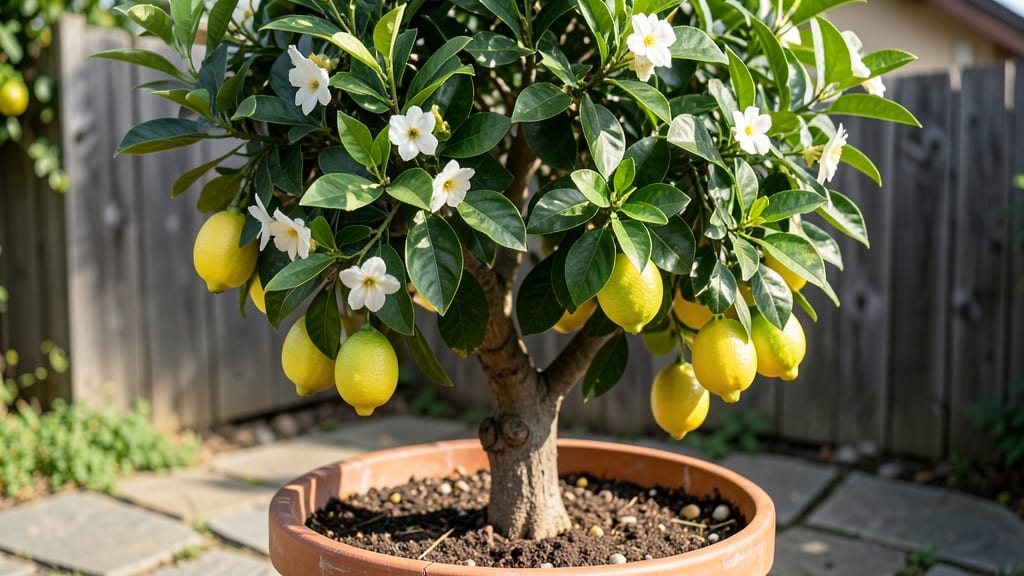
A lemon tree needs sunlight requirements that include 6-8 hours of direct light daily—the difference between a thriving 🍋 and a struggling one.
Picture this: your lemon tree’s leaves yellowing, fruit staying small, or worse, no fruit at all. You’ve watered it, fertilized it, but something’s still off.
The issue might be simpler than you think—sunlight is the game-changer for citrus trees, and getting it right means the difference between a sparse harvest and a bounty of juicy lemons.
But how do you balance those sunlight needs with your climate? Whether you’re in a sunny desert or a cloudy coastal area, understanding the right exposure, seasonal shifts, and even indoor workarounds can save your tree.
Let’s dive into the science behind lemon tree sunlight and how to tailor it to your space—so you can finally enjoy homegrown lemons year-round.
You’ll learn how to spot signs of too much or too little sun, the best locations for your lemon tree (even in containers or indoors), and how to adjust care as the seasons change. No more guesswork—just a happy, fruit-bearing tree that rewards your efforts.


How many hours of sunlight does a lemon tree need?
Lemon trees are sun-worshippers, and their fruit production depends heavily on 6-8 hours of direct sunlight daily. Without enough light, you’ll notice sparse leaves, weak stems, and—worst of all—almost no lemons. But not all lemon varieties have the same needs.
For example, the Meyer lemon (a hybrid) tolerates slightly less sun than the Eureka or Lisbon varieties, which thrive in full, unfiltered sunlight. Understanding these differences is key to growing a healthy, fruit-bearing tree.
Sunlight isn’t just about hours—it’s also about intensity and consistency. Lemon trees need bright, direct light, not dappled shade or filtered sunlight through trees. In regions with intense afternoon sun (like the Southwest U.S.), afternoon shade can actually help prevent leaf scorch.
Meanwhile, in cooler climates (like the Pacific Northwest), extending sunlight with reflective surfaces or grow lights becomes essential. Let’s dive into the specifics so you can tailor your care to your lemon tree’s exact needs.
Here’s a quick breakdown of sunlight requirements for the most popular lemon tree varieties, including how to measure sunlight exposure accurately in your garden:
Measuring sunlight exposure accurately is easier than you think. Use a sunlight tracker (a simple app or even a white piece of cardboard propped up near your tree) to record how many hours of direct light your lemon tree receives.
Place the tracker in the spot where your tree will sit for at least a week to account for seasonal changes. In summer, trees often get more sunlight, while winter days can drop sunlight exposure by 2-4 hours, especially in northern climates.
Seasonal adjustments are critical. In spring and fall, lemon trees can handle 4-6 hours of sunlight while they adjust, but this is only temporary. By late spring, push your tree toward its ideal sunlight range (6-10 hours) to encourage blooming and fruit set.
If you’re in a cooler climate (like USDA Zone 8), consider using reflective mulch or white walls to bounce extra light onto your tree. This trick can add 1-2 extra hours of effective sunlight without moving the tree.
For fruit production, lemon trees need at least 8 hours of sunlight daily. Without this, your tree will focus on leafy growth instead of developing flowers and fruit. Think of sunlight as the fuel for photosynthesis—the process that turns light into energy for your tree.
When light is limited, the tree prioritizes survival over reproduction. If you’re growing lemons for harvest, aim for the high end of the range (8-10 hours) to maximize your yield.
What about partial shade? While lemon trees can tolerate 2-3 hours of afternoon shade in extreme heat, this should never replace morning sun. Morning sunlight is gentler and more beneficial for photosynthesis.
If you’re in a hot desert climate, providing afternoon shade (like with a sheer curtain or lattice) can prevent leaf burn while still allowing your tree to get its required sunlight in the morning.
Indoor lemon trees present a unique challenge. A south-facing window provides the best natural light, but even then, you’ll likely need to supplement with grow lights (LED or fluorescent) for 12-14 hours daily to mimic outdoor conditions.
Position your grow lights 6-12 inches above the tree and adjust as the tree grows. Avoid placing your lemon tree near drafty windows or air conditioning vents, as temperature fluctuations can stress the plant.
Pro tip: Rotate your indoor lemon tree quarter-turns every few days to ensure even sunlight exposure. This prevents the tree from leaning toward the light source and keeps growth balanced.
Outdoor trees also benefit from occasional rotation, especially if they’re planted near a fence or wall that blocks light from one side.
Finally, watch for seasonal changes in your local climate. In winter, days are shorter, and sunlight is less intense. If your lemon tree is outdoors, consider moving it to a sheltered spot (like a greenhouse or under a clear plastic cover) to extend its daylight exposure.
Even 1-2 extra hours of light can make a difference in keeping your tree healthy during the dormant season.
Remember, the goal is consistency. Lemon trees thrive on routine, so aim to provide stable sunlight exposure throughout the year. With the right balance, you’ll reward yourself with abundant, juicy lemons and a tree that looks as vibrant as it tastes.
Signs your lemon tree isn’t getting enough sunlight (and how to fix it)
If your lemon tree looks leggy with sparse leaves or produces tiny, bitter lemons, sunlight deprivation might be the culprit. Lemon trees are sun-worshippers—they crave 6-8 hours of direct sunlight daily to thrive.
Without enough light, their growth slows, fruit production stalls, and they become vulnerable to pests and diseases. I’ve seen even Meyer lemon trees, which are more adaptable, struggle when kept in shady spots.
One of the first signs is yellowing leaves, especially on newer growth. These leaves often appear thinner and paler than healthy, dark green foliage. Your tree might also develop weak, elongated stems as it stretches toward any available light source—a classic sign of etiolation.
Even worse, flowers may drop before setting fruit, or any lemons that do form will be small, seedy, and tart instead of sweet and juicy.
⚠️ WARNING: Lemon Trees in Low Light ⚠️
- Leggy growth (stems > 12" tall with sparse leaves)
- Yellowing leaves (chlorosis) on new shoots
- No fruit or tiny, bitter lemons
- Flower drop before pollination
- Pale, weak stems prone to snapping
If you’re growing your lemon tree in a container, move it to the sunniest spot available—even a south-facing patio or balcony works. For outdoor trees, prune nearby trees or structures blocking sunlight, and consider seasonal adjustments.
In winter, when days are shorter, supplement with a grow light (LED full-spectrum bulbs work best) for 12-14 hours daily to maintain energy production.
For indoor lemon trees, place them near a south-facing window where they can get maximum sunlight exposure. If natural light is insufficient, use a reflective surface (like a white wall or mirror) to bounce light onto the tree.
Rotate the pot quarter-turns weekly to ensure even growth—lemon trees will lean toward the light if kept in one spot too long.
In cooler climates (USDA zones 8-10), protect your tree from late afternoon sun during summer by providing partial shade (30-50% shade cloth) to prevent leaf scorch. However, always prioritize morning sun—those first rays are the most beneficial for photosynthesis.
If you notice brown leaf edges or crispy foliage, it’s a sign of too much intense afternoon sun combined with insufficient morning light.
To fix sunlight issues, start with a light audit: Track how many hours your tree gets direct sun daily using a sunlight tracker app or by observing shadows. If it’s under 4 hours, relocate immediately.
For severe deficiencies, combine outdoor placement with artificial grow lights (place bulbs 6-12 inches above the tree) and fertilize with a high-nitrogen feed to encourage leafy regrowth. Patience is key—it can take 4-6 weeks to see improvement in leaf color and stem strength.
Remember, lemon trees are tropical plants at heart—they thrive on bright, consistent light. By addressing sunlight gaps now, you’ll set your tree up for bountiful harvests and lush, healthy growth all year round. 🌿☀️