
Pests
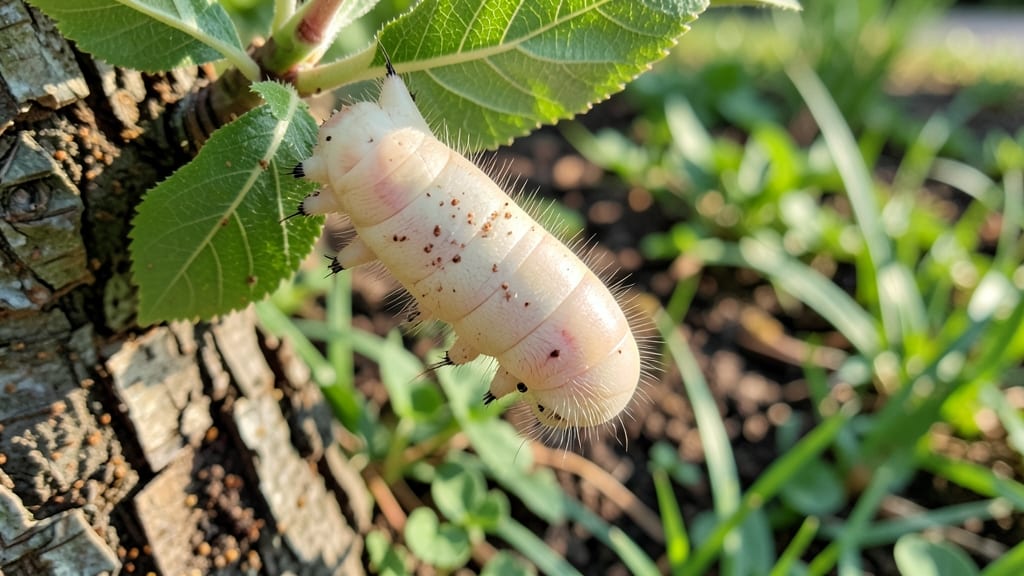
Your cherry tree’s silky webs and skeletonized leaves aren’t just ugly—they’re a caterpillar buffet. 🌿 These hungry pests (tent caterpillars, leaf rollers, and more) can strip your tree bare in weeks if left unchecked, but the good news? Organic control works—without harming your fruit or the tree’s health.
The first sign is usually those telltale webs or chewed leaves, but caterpillars also leave behind frass (poop pellets) and half-eaten foliage. These pests thrive in early spring, so acting fast is key.
My go-to method? A mix of neem oil spray, beneficial nematodes, and hand-picking—no harsh chemicals needed.
By mid-summer, your tree will look lush and productive again, with fewer pests returning if you prune regularly and encourage natural predators like birds and parasitic wasps. The secret is consistency: check weekly during peak season and act at the first sign of trouble.
Works for all cherry varieties—sweet, tart, or ornamental—and even saves your neighbors’ trees if caterpillars spread. Let’s get your tree back to its full glory without the chemical cleanup.
Root Causes Of Cherry Tree Defoliation
Understanding why caterpillars target your cherry tree starts with recognizing their survival instincts and environmental triggers. These voracious pests—often cherry tree caterpillars like the western black-headed caterpillar (Parasa indetermina) or cherry fruitworms (Grapholita funebrana)—don’t just appear randomly.
Their behavior is driven by a mix of ecological factors, tree health, and seasonal cues. Let’s break down the key reasons behind their attacks.
A stressed or weakened cherry tree becomes an easy buffet for caterpillars. When trees are nutrient-deficient, waterlogged, or diseased, their leaves lose natural defenses like tannins and resins, making them more palatable to pests. Here’s how it happens:
- Nutrient Deficiencies: Lack of nitrogen, phosphorus, or potassium weakens foliage, making it easier for caterpillars to chew through leaves.
A simple soil test can reveal imbalances—look for yellowing leaves, stunted growth, or sparse fruit. - Water Stress: Overwatering or drought weakens the tree’s cuticle (outer leaf layer), exposing it to pest attacks.
Caterpillars thrive in soft, tender leaves—a sign of poor hydration. - Disease Pressure: Fungal infections (like cherry leaf spot) or bacterial issues create entry points for caterpillars. Infected leaves often drop prematurely, leaving the tree vulnerable to secondary pests.
✨ Pro Tip: Healthy trees resist pests better! Mulch with compost, water deeply but infrequently, and prune for airflow to reduce stress signals that attract caterpillars.
Caterpillars don’t strike at random—they follow a predictable life cycle tied to cherry tree growth stages. Their timing is often perfectly synchronized with when your tree is most vulnerable:
- Spring Emergence: Many species, like the cherry fruitworm, overwinter as larvae or pupae in tree bark or soil.
When temperatures rise (above 50°F), they emerge as first-generation caterpillars, feeding on new spring leaves—which are softer and more nutritious. - Summer Egg-Laying Peaks: Adult moths (the caterpillars’ parents) lay eggs on new shoots, fruit, or leaves during late spring to early summer.
If you see tiny white eggs in clusters, it’s a sign of an impending outbreak. - Late Summer Pupation: As temperatures drop, caterpillars pupate in leaf litter or bark, preparing to overwinter.
If they don’t pupate successfully (due to disturbances like pruning or pesticide use), they may re-emerge in unseasonal waves.
📊 Key Timeline to Watch:
| Month | Caterpillar Activity | Your Action |
|---|---|---|
| April–May | First instars (tiny larvae) hatch | Inspect buds for eggs |
| June–July | Peak feeding; fruit damage begins | Monitor for defoliation |
| August | Pupation; adults emerge as moths | Remove fallen leaves to disrupt cycle |
Caterpillars are opportunistic feeders, and their numbers explode when food is abundant and easy to access. Cherry trees offer two prime targets:
- Tender New Leaves: Young, light-green leaves in spring are high in sugars and low in defensive compounds, making them a caterpillar’s dream meal.
A tree with vigorous new growth (often from over-fertilization) attracts more pests. - Ripe Fruit: Species like the cherry fruitworm prefer ripening cherries because they’re softer and sweeter. If your tree is heavily fruiting, expect more caterpillar activity in late summer.
💡 Prevention Hack: Thin fruit early in the season to reduce caterpillar temptation. A less laden tree is less appealing to egg-laying moths.
In a balanced ecosystem, caterpillars face predators like birds, parasitic wasps, and beneficial insects. But if these natural controls are missing, caterpillar populations skyrocket. Common reasons for predator shortages:
- Pesticide Overuse: Broad-spectrum insecticides (like malathion or carbaryl) kill beneficial insects first, leaving caterpillars unchecked. Neonicotinoids can also reduce pollinator populations, weakening the tree’s pest defense network. - Monoculture Plantings: Orchards or yards with only cherry trees offer few hiding spots for predator insects (like ladybugs or lacewings).
Diversifying with flowering plants attracts more helpers. - Urbanization: Birds and wasps avoid heavily sprayed or compacted soils, reducing biological control.
🔥 Organic Fix: Plant native wildflowers (like dill, yarrow, or alyssum) near your cherry tree to attract parasitic wasps and praying mantises, which hunt caterpillars.
Weather plays a huge role in caterpillar outbreaks. Warm, stable conditions speed up their life cycle, while cold snaps can disrupt their development—sometimes for the worse.
- Mild Winters: If temperatures rarely drop below freezing, overwintering caterpillars survive in larger numbers, leading to bigger spring populations. - Early Springs: Warm February–March temps trick caterpillars into emerging early, only to face late frosts that kill them—but if they survive, they reproduce faster. - Dry Conditions: Lack of rain stresses trees, making leaves more susceptible to chewing.
It also reduces fungal diseases that might otherwise compete with caterpillars for resources.
⏰ Actionable Tip: If your area has unseasonably warm winters, hand-pick caterpillars in early spring before they pupate to break the cycle.
Quick Fixes for Tree Health
When cherry tree caterpillars (like the invasive gypsy moth or tent caterpillar) start stripping leaves and fruit, swift action is key. Below are targeted, organic solutions mapped to common causes—plus prevention tips to keep your tree thriving long-term.
If caterpillars are devouring leaves faster than your tree can regrow, act fast with these non-toxic but effective methods:
🔥 Handpick & Destroy (Best for Small Infestations)
- When to use: Early detection (before tents form or leaves are skeletonized).
- How to do it:
- Wear thick gloves and inspect branches for silken tents (tent caterpillars) or stripped leaves (gypsy moths).
- Gently shake branches over a bucket of soapy water (1 tbsp dish soap per gallon) to drown larvae.
- Drop cloth method: Lay a tarp under the tree, then disrupt tents with a stick—larvae will fall onto the tarp. Burn or bury them immediately.
- Pro tip: 🌞 Do this early morning when caterpillars are sluggish.
🍳 Bacillus Thuringiensis (Bt) – The Safe Bacteria Bomb
- When to use: Active feeding season (spring/summer) for gypsy moth, tent caterpillar, or webworm.
- How to apply:
- Mix Bt kurstaki (a natural soil bacterium) with water as directed on the label.
- Spray foliage thoroughly, focusing on new growth and egg masses (check bark crevices!).
- Reapply every 7–10 days or after rain.
- Why it works: Bt is harmless to humans, pets, and beneficial insects but kills caterpillars’ digestive systems in 48 hours.
👨🍳 Neem Oil Spray (Deters Egg-Laying & Young Larvae)
- When to use: Fall (to prevent eggs) or early spring (before hatching).
- How to make:
- Mix 2 tbsp neem oil + 1 tsp mild soap in 1 quart of water.
- Spray undersides of leaves (where eggs are often laid) and tree bark.
- Reapply every 2 weeks during egg-laying season (late summer/fall).
- Caution: Avoid spraying direct sunlight (can burn leaves).
Use in evening or cloudy days.
If caterpillars are targeting cherries (like cherry fruitworms or gypsy moths), these steps will save your crop:
🥘 Floating Row Covers (Physical Barrier)
- When to use: Before buds open (early spring) or when fruit is forming.
- How to install:
- Drape lightweight fabric covers over the tree, securing edges with clips or weights.
- Leave one side open for pollinators (if needed) or remove during bloom to allow bees access.
- Check weekly for tears and reapply Bt if holes appear.
- Bonus: Also blocks other pests like Japanese beetles!
🔪 Prune & Remove Egg Masses (Fall Prevention)
- When to do it: Late fall/winter (when caterpillars are dormant).
- How to spot eggs:
- Look for small, fuzzy clusters (tent caterpillar eggs) or black/gray specks (gypsy moth eggs) on bark, branches, and leaf litter.
- How to remove:
- Scrape off masses with a plastic scraper (avoid metal—it can spread eggs).
- Drown in soapy water or freeze overnight before disposal.
- Pro tip: 🌡️ Monitor temps—eggs hatch when temps hit 50°F+, so act before spring.
Stop future infestations with these low-effort habits:
| Prevention Step | How to Do It | Best Time |
|---|---|---|
| 🌿 Mulch properly | Apply 3–4 inches of wood chips (not bark) around the base to deter egg-laying. | Early spring |
| 🌳 Encourage predators | Plant dill, fennel, or milkweed nearby to attract parasitic wasps and birds. | Year-round |
| 🌧️ Water deeply | Deep watering (1 inch/week) keeps trees stress-free, making them less attractive to pests. | Spring–fall |
| 🧹 Clean up debris | Remove fallen leaves and tents in late fall to eliminate overwintering sites. | October–November |
✨ Final Pro Tip: If your tree is heavily infested, combine Bt + neem oil + handpicking for a 1-2-3 punch. Most organic methods work best when used together—not alone!
Need a deeper dive? Check out our organic pest calendar for seasonal timing!
Frequently asked questions
What are the most common types of caterpillars that attack cherry trees?
The two most destructive species are eastern tent caterpillars (known for their silken nests) and gypsy moth caterpillars, which can defoliate entire trees. Cherry fruitworms also target fruit, while webworms create distinctive white silk webs. Each has distinct life cycles, so timing your control methods matters.
How can I tell if my cherry tree has a caterpillar infestation before leaves are damaged?
Look for tiny white eggs in clusters on bark or leaf undersides (common in late summer/fall) or silken tents in branch crotches. Early signs also include frass (black poop pellets) on leaves or new holes in buds—all clues that caterpillars are already feeding.
Is it safe to use neem oil on cherry trees when fruit is present?
Yes, but with caution! Neem oil is organic and safe for edible fruit when used correctly. Apply in early morning or evening to avoid leaf burn, and harvest cherries 3 days after treatment. Avoid spraying directly on fruit to prevent bitter taste—focus on leaves and bark instead.
Will birds or other natural predators actually control caterpillar populations?
Birds like robins and blue jays devour caterpillars, while parasitic wasps lay eggs inside them. To attract more predators, plant native wildflowers (like dill or milkweed) near your tree and avoid broad-spectrum pesticides that harm beneficial insects.
Can I still save my cherry tree if it's already completely defoliated?
Yes, but act fast! A heavily defoliated tree can recover if you remove all caterpillars (handpick or use Bt) and fertilize lightly to boost regrowth. Prune any dead branches and water deeply—new leaves will emerge from buds on the trunk and larger branches.