
Trees
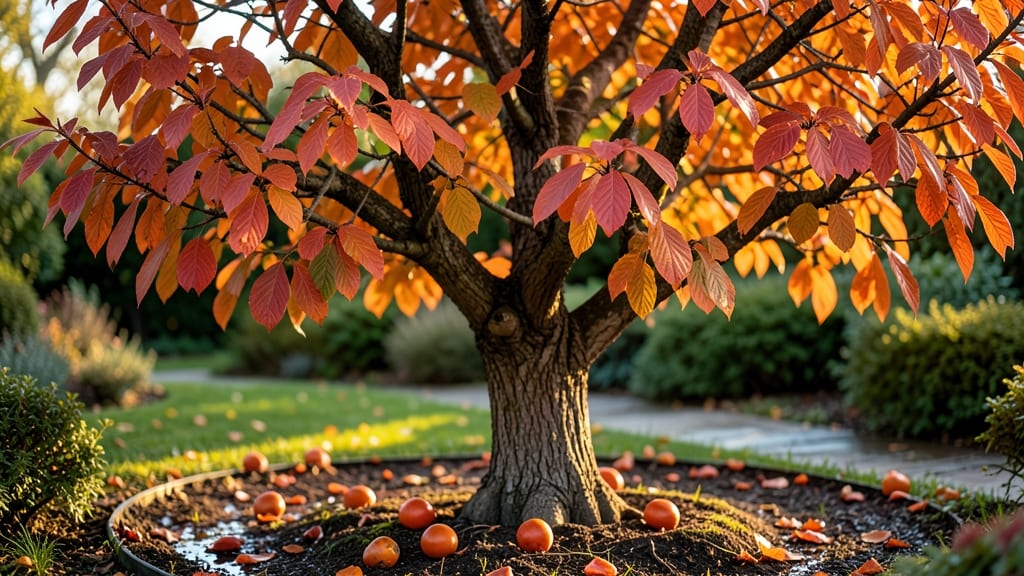
When your persimmon tree’s leaves start falling before their time, it’s not just a cosmetic issue—it’s a cry for help from the tree itself. 🌿 The problem often lies in how we prune, what’s lacking in the soil, or unseen pests quietly sapping strength.
I’ve seen healthy trees turn into leaf-shedding shadows when ignored, but the good news? Most cases fix with targeted pruning and a little extra care.
Start by examining the branches where leaves drop most—thin, crowded, or deadwood are your first clues. Prune in late winter or early spring to remove weak growth while the tree’s energy rebuilds.
A balanced soil test (check pH and nutrients) reveals if deficiencies like potassium or magnesium are the real culprits. Often, a simple feeding with compost or a slow-release fertilizer revives drooping branches faster than you’d expect.
📚 In This Guide
- What you need
- Instructions
- Tips and common mistakes
- Wrapping up and next steps
What you need
- ● Pruning shears: Bypass pruners (for cuts under ½ inch thick) – 1 pair (look for sharp, stainless steel blades).
- ● Loppers: For branches ½ to 1½ inches thick – 1 pair (with a long handle for reach).
- ● Pruning saw: For thick branches (1½+ inches) – 1 saw (bow saw or folding pruning saw).
- ● Gloves: Heavy-duty, cut-resistant – 1 pair (to protect hands from thorns and rough bark).
- ● Disposable pruning bags: 2–3 medium-sized bags (to collect fallen leaves/debris).
- ● Rubbing alcohol (70%+) or bleach solution: 1 small bottle (for sterilizing tools between cuts).
- ● Twine or zip ties: Small roll (to secure heavy branches temporarily).
- ● Ladder or step stool: Sturdy, tall enough to reach the highest branches safely.
- ○ Pruning sealant: (For large cuts to prevent disease—optional for persimmon trees).
- ● Marking tape or paint: (To tag branches for removal if needed).
- ● Safety glasses: (To shield eyes from debris).
- ● Extension pole: (For high branches if you lack a ladder).
- ● Notebook & pen: (To jot down pruning notes or sketch a tree map).
- ● Check the weather: Prune on a dry, cloudy day (avoid windy or rainy conditions).
- ● Timing: Late winter or early spring (before buds swell) is ideal for persimmon trees. 💡
- ● Sterilize tools: Wipe blades with rubbing alcohol before and after use to prevent spreading disease. 🔥
- ● Plan ahead: Sketch a rough map of the tree to visualize cuts and structure.
Instructions for pruning persimmon trees when leaves fall
Timing and technique make all the difference—here's how to prune for fruit production.
✂️ Step 1: Wait Until Full Leaf Drop
Don't prune until all leaves have fallen and the tree is completely dormant. This usually happens in late fall or early winter, depending on your climate. Cold temperatures help identify dead branches—they'll be brittle and snap easily when bent. Prune too early, and you risk encouraging new growth that won't harden off before winter.
I always wait until two hard freezes have occurred in my zone. This ensures the tree's energy is fully withdrawn from the branches, making pruning cleaner and less stressful. You'll know it's time when the branches look stark against the sky with no lingering leaves or buds.
🌿 Step 2: Remove Dead, Diseased, or Crossing Branches
Start by cutting out any branches that are dead, diseased, or rubbing against each other. Use clean, sharp pruners to make cuts at a 45-degree angle, about ¼ inch above an outward-facing bud. Diseased wood should be disposed of immediately in sealed bags—not composted—to prevent spreading pathogens.
Look for branches that cross or grow inward—they'll compete for energy and create weak crotches. I make these cuts first because they're the easiest to spot and remove. Persimmons respond well to open canopies, so don't be shy about thinning out crowded areas. Just remember to leave at least 3-4 feet of space between remaining branches.
☀️ Step 3: Thin for Light Penetration
Next, focus on thinning the canopy to let sunlight reach the inner branches. Remove about 20-30% of the smaller branches to improve air circulation and fruit quality. Start from the outside and work inward, always cutting back to a lateral branch or bud. You'll see the difference in fruit size and color next season.
Persimmons produce fruit on current season's growth, so you want to maintain a balance between old wood and new shoots. Aim to keep the tree's shape natural while opening it up. If you're unsure which branches to cut, step back and imagine sunlight streaming through—anything blocking that light should go.
⏰ Step 4: Shape for Future Fruit Bearing
Finally, give the tree its final shape by pruning to encourage strong, fruit-bearing branches. Cut back any water sprouts (fast-growing vertical shoots) and suckers (shoots from the base). These drain energy from the tree. For each branch you prune, make the cut just above a healthy outward-facing bud.
I like to leave 3-5 main scaffold branches spaced evenly around the trunk. These will form the backbone of your tree's structure. Avoid over-pruning—never remove more than 25% of the tree's canopy in one season. You'll see new growth in spring that will bear fruit the following year.
🪴 Step 5: Clean Up and Protect the Tree
After pruning, clean your tools with 70% isopropyl alcohol to prevent spreading disease. Rake up and dispose of all pruned branches. Apply a 2-3 inch layer of mulch around the base of the tree, keeping it 6 inches away from the trunk. This protects roots from temperature swings and retains moisture.
If you live in a cold climate, consider wrapping the trunk with tree guard to prevent rodent damage. Persimmons are tough, but young trees benefit from this extra protection. Water deeply if fall has been particularly dry, but avoid overwatering—your tree is dormant and doesn't need much moisture at this stage.
Tips & tricks for pruning persimmon trees
Here's how to avoid common mistakes and get the best results from your pruning efforts.
Timing is Everything: The two hard freezes requirement in Step 1 is non-negotiable for proper dormancy. If you're unsure about your local freeze dates, check with your local cooperative extension office—they track this data. I've seen trees pruned too early sprout weak new growth that gets damaged by late frosts. Trust the science: wait for those two hard freezes to ensure clean cuts and healthy regrowth.
Tool Preparation Matters: Before you start cutting in Step 2, sharpen your pruners and disinfect them with 70% isopropyl alcohol. Dull tools crush branches instead of making clean cuts, which can damage the tree's vascular system. I keep a small bottle of rubbing alcohol in my pruning kit and wipe blades between cuts on diseased branches. This simple step prevents 90% of post-pruning infections.
Visualize the Light: When thinning in Step 3, step back frequently to visualize how sunlight will penetrate. I imagine standing in the center of the tree looking outward—any branch blocking my view should go. This mental exercise helps me maintain that 20-30% thinning guideline without overdoing it. The goal is an open canopy that lets light reach all branches, not a skeletal tree.
Scaffold Branch Strategy: For Step 4, focus on developing those 3-5 main scaffold branches as the tree's framework. These should be spaced evenly around the trunk at about 6-12 inches apart. I like to think of them as the tree's ribs—strong, evenly spaced, and supporting the entire structure. When in doubt, leave the branch rather than risk creating a weak crotch by making an awkward cut.
Pro Tips for Persimmon Tree Leaves Fall
- Here's how to avoid common mistakes and get the best results from your pruning efforts.
- Timing is Everything: The two hard freezes requirement in Step 1 is non-negotiable for proper dormancy.
- Tool Preparation Matters: Before you start cutting in Step 2, sharpen your pruners and disinfect them with 70% isopropyl alcohol.
Frequently asked questions
Got questions about persimmon tree leaves falling and how it impacts your tree? Here are some common concerns—and answers—to help you keep your persimmon thriving!
Why are my persimmon tree leaves falling early?
Early leaf drop in persimmons is often normal in fall, but excessive shedding can signal stress. Common causes include underwatering, overwatering, nutrient deficiencies (like potassium or nitrogen), or pests/diseases (e.g., aphids or fungal infections). Check soil moisture and inspect leaves for spots or pests before pruning.
Is it okay to prune a persimmon tree when leaves are falling?
Yes! Late fall/winter (after leaves drop but before buds swell) is ideal for pruning persimmons. It reduces stress on the tree and lets you see branch structure clearly. Avoid heavy pruning in spring, as it can disrupt fruit production. Focus on removing dead, crossing, or weak branches first.
How long does it take for a persimmon tree to recover after pruning?
Recovery time varies, but healthy persimmons bounce back quickly—often within 1–2 growing seasons. New growth (and fruit!) should appear by late spring. If leaves stay sparse or yellow, adjust watering, fertilize lightly, or test soil pH (persimmons prefer 6.0–7.0). Patience is key!
Can I still harvest fruit if leaves are falling?
Leaf drop doesn’t mean fruit is affected. Persimmons ripen based on color and firmness, not leaves. Harvest Asian varieties when fully colored and soft (like butter), and American types when hard and deep orange. Watch for pests like stink bugs, which can damage fruit—remove damaged fruit promptly.
What can I do if my persimmon tree’s leaves turn brown and fall?
Brown, crispy leaves often mean drought stress, salt buildup (from poor soil), or bacterial leaf spot. Water deeply 1–2x/week (check soil 2" down—it should be moist but not soggy). For fungal issues, prune infected branches 1 inch below damage and sterilize tools with rubbing alcohol. Mulch helps retain moisture!
Wrapping up and next steps
Watching persimmon tree leaves fall is a natural signal that your tree is preparing for its next cycle of growth—and with the right pruning, you’re setting it up for abundant fruit and long-term health. 🌿 By following strategic techniques like thinning, heading back, and removing deadwood, you’ll encourage stronger branches, better air circulation, and a more productive harvest. Now’s your chance to roll up your sleeves and give your tree the care it deserves!
Ready to take action? Mark a date on your calendar for your next pruning session—early autumn or late winter is ideal—and enjoy the rewards of a thriving persimmon tree in the seasons ahead. Happy gardening!